When it comes to fresh figs versus dried figs, you might find yourself torn between the two. Fresh figs offer hydration and a light flavor, while dried figs pack a punch with their concentrated sweetness and fiber. Each type has its own unique benefits, but which one aligns better with your taste and dietary needs? Let’s explore the nutritional differences, flavor profiles, and culinary uses to help you make an informed choice.
Nutritional Comparison of Fresh and Dried Figs
When you compare the nutritional profiles of fresh and dried figs, you’ll notice some key differences that can influence your dietary choices.
Fresh figs have a high water content, making them lower in calories, while dried figs are more calorie-dense due to their reduced moisture. You’ll find that fresh figs offer a good source of vitamin C and potassium, which supports immune function and heart health.
On the other hand, dried figs pack a punch with higher fiber and sugar levels, beneficial for digestion and quick energy.
While both options provide antioxidants, dried figs have a higher concentration due to the drying process.
Ultimately, choosing between fresh and dried figs depends on your nutritional goals and taste preferences.
Flavor and Texture Differences
While both fresh and dried figs offer unique flavors, their taste and texture can vary significantly.
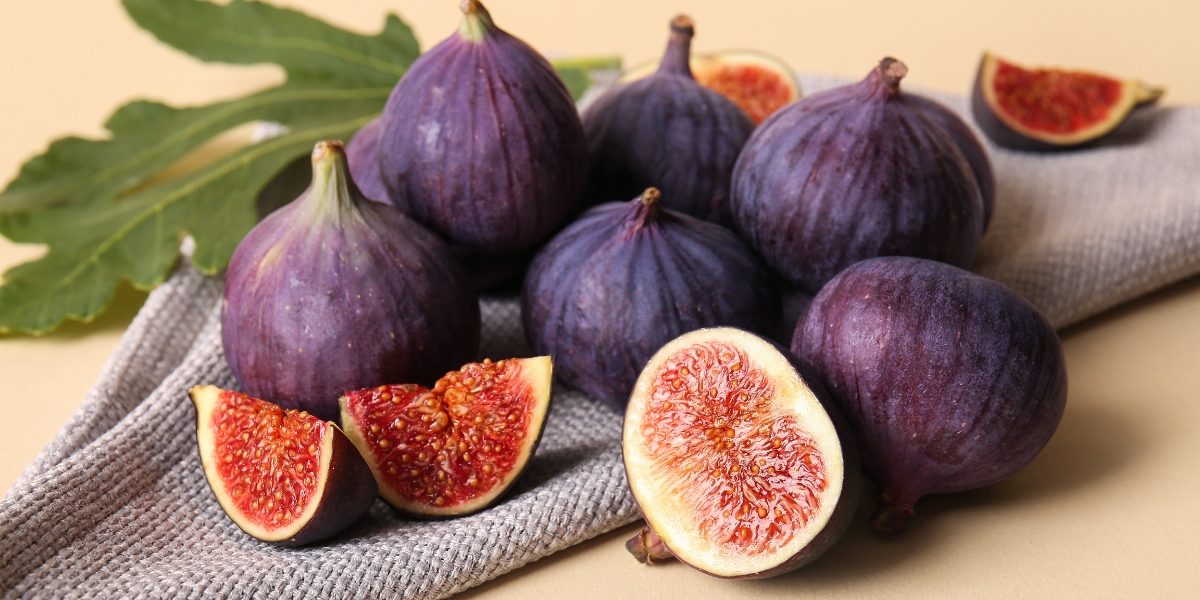
Fresh figs burst with juiciness and a sweet, mild flavor that’s often described as floral. Their skin is soft, and the flesh is tender, making them delightful to bite into.
In contrast, dried figs have a concentrated sweetness and a chewy texture, thanks to the removal of moisture. The flavor becomes richer and more intense, with hints of caramel and nuttiness.
When you indulge in dried figs, you’ll notice a firmer, almost sticky texture that contrasts with the delicate softness of fresh ones.
Each type brings something special to the table, appealing to different taste preferences and snack occasions.
Culinary Uses and Versatility
If you’re looking to elevate your culinary creations, fresh and dried figs can be incredibly versatile ingredients.
Fresh figs add a juicy burst to salads, cheese boards, or desserts, while their sweetness pairs beautifully with savory dishes, like prosciutto-wrapped figs or fig-glazed meats.
Dried figs, on the other hand, are perfect for baking, adding depth to cookies, cakes, and bread. You can also chop them into granola or mix them into oatmeal for a nutritious boost.
Both forms can be used in jams or sauces, making them perfect for enhancing your favorite recipes.
Whether you’re whipping up a quick snack or an elaborate meal, incorporating figs can transform your dishes into something special.
Conclusion
Whether you prefer fresh or dried figs, both offer unique benefits that can enhance your diet. Fresh figs are perfect for hydration and a juicy bite, while dried figs provide a concentrated sweetness and a chewy texture for energy. Your choice ultimately depends on your personal taste and nutritional goals. So, experiment with both in your meals and snacks to discover which one you enjoy more and how they can fit into your lifestyle!
Trending Products

SVA Clove Essential Oil Organic – 4 Fl Oz – 100% Natural Organic Clove Oil – for Diffuser, Hair Care, Face, Skin Care, Aromatherapy, Scalp and Body Massage, Soap and Candle Making – with Dropper


Amazon Grocery, Yellow Mustard Seed, 3.75 Oz