When you’re starting to choose quality organic foods, it’s essential to know what to look for. Understanding organic labels can save you time and money while ensuring you select the best options. It’s also helpful to consider seasonal produce, which often tastes better and is more affordable. But what are the key factors that can really make a difference in your shopping experience? Let’s explore these important aspects together.
Understanding Organic Labels and Certifications
When you’re shopping for organic foods, understanding the labels and certifications can make all the difference.
Look for the USDA Organic seal, which guarantees that the product meets strict federal standards. If you see “100% organic,” it means every ingredient is organic. “Organic” indicates at least 95% of ingredients are organic, while “made with organic ingredients” signifies at least 70% are organic, with the remaining 30% needing to meet specific criteria.
Be cautious of labels like “natural,” as they don’t have the same rigorous standards. Familiarize yourself with non-GMO and other certifications to ensure you’re making informed choices.
The Benefits of Choosing Seasonal Organic Produce
Choosing seasonal organic produce not only enhances your meals but also supports sustainable farming practices. When you opt for fruits and vegetables in season, you enjoy fresher, tastier options packed with nutrients. These crops are harvested at their peak, meaning they’re more flavorful and vibrant.
Additionally, seasonal produce often costs less since it doesn’t require expensive transportation or storage. By choosing local, in-season options, you also reduce your carbon footprint, supporting the environment.
Moreover, you’ll discover a variety of flavors and textures throughout the year, keeping your meals exciting. Eating with the seasons can also help you connect with your community by supporting local farmers and markets, fostering a sense of belonging.
Tips for Shopping Smartly for Organic Foods
While it might seem overwhelming to navigate the organic food aisle, shopping smartly can make a significant difference in both your health and your budget.
Start by making a list of what you need; this helps prevent impulse buys. Compare prices between brands and look for sales or discounts. Don’t shy away from buying in bulk; it often saves money.
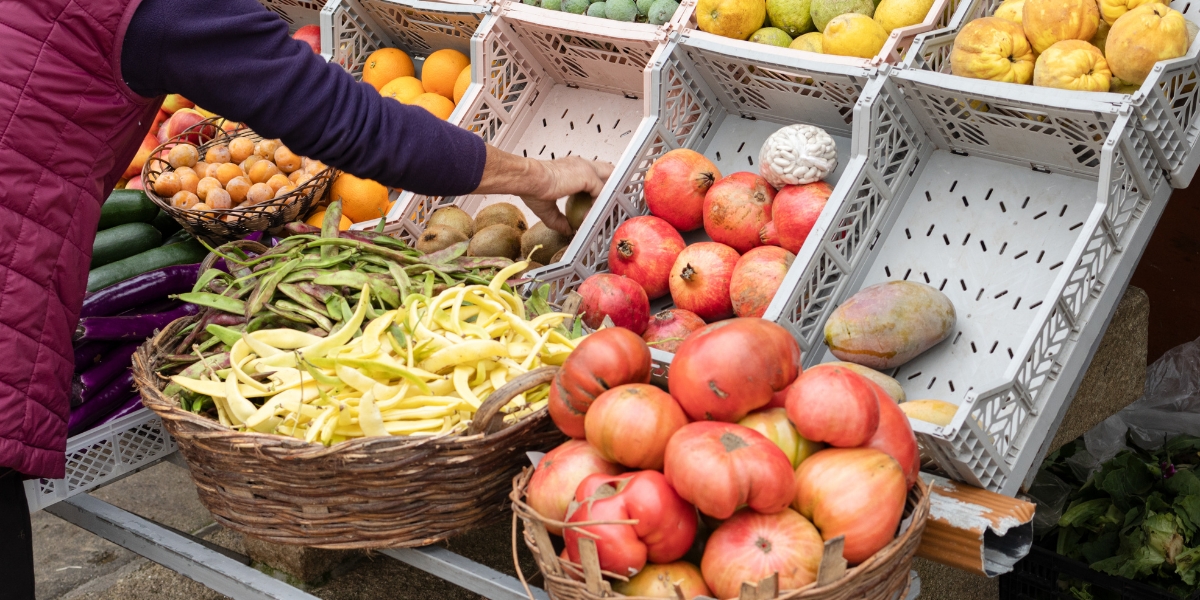
Check for local farmers’ markets, where you can find fresh, organic produce at better prices. When choosing packaged items, read labels carefully to ensure they meet organic standards.
Lastly, prioritize purchasing organic versions of the “Dirty Dozen” fruits and vegetables, which tend to have higher pesticide residues.
With these tips, you’ll be well on your way to smart organic shopping!
Conclusion
By following these simple guidelines, you can confidently choose quality organic foods that fit your lifestyle and budget. Familiarize yourself with organic labels, prioritize seasonal produce, and shop smartly, especially at local farmers’ markets. Remember, reading labels carefully ensures you’re getting the best organic products available. With a little effort, you’ll enjoy the benefits of fresher, healthier food while reducing your exposure to pesticides. Start making informed choices today for a better tomorrow!
Trending Products