Table of Contents
- What Makes Affordable Natural Wellness Products Worth Buying
- How to Choose Herbal Supplements That Actually Work
- Essential Oils for Wellness: Quality and Safety
- Building Your Pantry with Affordable Superfoods Online
- Selecting Organic Pantry Staples for Holistic Health
- How to Verify Quality and Authenticity When Shopping Online
- Building Your Natural Wellness Supply Without Breaking the Budget
- Frequently Asked Questions
Last Updated: October 14, 2026
What Makes Affordable Natural Wellness Products Worth Buying
A wellness product that works comes down to three factors: ingredient quality, transparent sourcing, and realistic pricing. On a budget, you need to know which deliver real value and which are marketing noise.
At Allstarhealth, we help health-conscious households find natural wellness products that fit their routines and budgets.
Affordable natural wellness products online don’t mean compromising on quality, they mean knowing what to look for: third-party testing certifications, transparent ingredient lists, and honest pricing rather than brand markup.
How to Choose Herbal Supplements That Actually Work
Herbal supplements are not interchangeable. The difference between a useful one and an expensive placebo comes down to three things: what plant material is in the capsule, how much, and whether an independent lab confirmed it. Most storefronts selling affordable natural wellness products online skip all three.
Start With the Evidence, Not the Marketing Claim
Match the herb to the outcome you want, and be honest about the evidence:
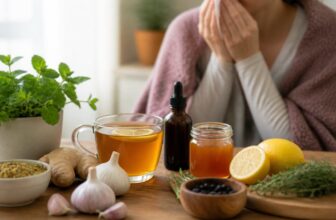
- Turmeric (curcumin): Studied for joint comfort and inflammation support. Curcumin absorbs poorly alone, so formulas pair it with black pepper extract (piperine) or a phospholipid delivery system, without one, the label dose may not translate into much.
- Ginseng (Panax): Studied for energy, focus, and cognitive support. Standardized extracts list a percentage of ginsenosides, that number matters more than total milligrams.
- Echinacea: Studied for immune support around cold onset. Evidence is mixed and varies by species and preparation.
- Ashwagandha: Studied for stress and sleep. For stress support, look for root extract rather than leaf-only material.
- Milk thistle and dandelion: Marketed for liver, kidney, and gallbladder support. Evidence is limited and preliminary, treat these as supportive, not therapeutic.
Herbal supplements can interact with prescription medications. St. John’s wort, ginkgo, and garlic in particular are well-known for interactions. If you take blood thinners, blood pressure medication, immunosuppressants, or antidepressants, talk to a pharmacist or physician before adding any herb, even a “natural” one.
Read the Label Like a Buyer, Not a Believer
- Look for the standardized percentage, not just milligrams. “500 mg turmeric” says nothing about curcumin content; “500 mg turmeric extract standardized to 95% curcuminoids” tells you exactly what you get.
- Avoid proprietary blends that hide individual amounts. A blend total without per-herb doses means neither you nor a lab can evaluate potency.
- Check the plant part. Root, leaf, seed, and whole-herb powders behave differently. A root extract and a leaf powder with the same name are not the same product.
- Note the serving size. A 60-capsule bottle at two capsules per serving is really a 30-serving bottle, cost-per-serving math exposes fake affordability.
Third-Party Testing: What to Actually Look For
A Certificate of Analysis (COA) is a batch-specific lab report showing what was tested and found. Reputable manufacturers publish these or send them on request. Look for:
- Identity confirmation, does the material match the species on the label?
- Potency, do the active compounds meet the stated standardization?
- Heavy metals (lead, arsenic, cadmium, mercury)
- Microbials (yeast, mold, E. coli, salmonella)
- Residual solvents if it is an extract
Common marks include USP Verified, NSF Certified, and ConsumerLab.com tested. USP and NSF audit manufacturing and testing; ConsumerLab tests products bought off the shelf. None guarantee a product works for you, but all raise the quality floor.
If a seller will not share a COA for the batch you are buying, that is your answer. Move on. The cost of a verified product is usually a few cents more per serving, not the premium the marketing implies.
Cost Per Serving: The Only Price That Matters
Affordability isn’t the sticker price, it’s price divided by servings, adjusted for active ingredient per serving:
- Divide the bottle price by the number of servings (not capsules).
- Divide that by the milligrams of standardized active compound per serving.
- The lower number wins, assuming the product passed the label and COA checks above.
A mid-priced standardized extract often beats a cheap unstandardized one on cost per effective milligram, because you need less to hit a meaningful dose. That’s the “affordable” worth shopping for.
A Short Buying Checklist
- Specific herb and specific goal, not a vague “wellness blend”
- Standardized percentage listed on the label
- No proprietary blends hiding individual doses
- COA available for the current batch
- Third-party certification mark if the brand offers one
- Cost per serving calculated, not assumed
- Medication interactions checked with a professional
Run every herbal supplement through this list before it goes in your cart, two minutes filters out most of what passes for “natural” online.
Essential Oils for Wellness: Quality and Safety
Essential oils are concentrated plant extracts, so quality matters.
The best essential oils come from plants grown without synthetic pesticides and extracted to preserve beneficial compounds.
Price is a useful indicator: pure oils cost more because they require more plant material. An oil that costs almost nothing is probably diluted or synthetic.
Always dilute essential oils, undiluted oils are too concentrated and can irritate. A few drops in a carrier oil, water, or diffuser is safe.
Building Your Pantry with Affordable Superfoods Online
Superfoods are nutrient-dense foods that deliver real nutritional support without premium-priced specialty items. The trick is knowing which offer the best nutrition per dollar and how to buy them to cut cost per serving.
Best Budget-Friendly Superfoods to Stock
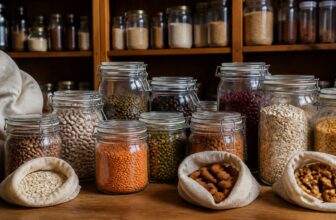
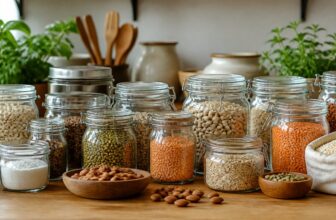
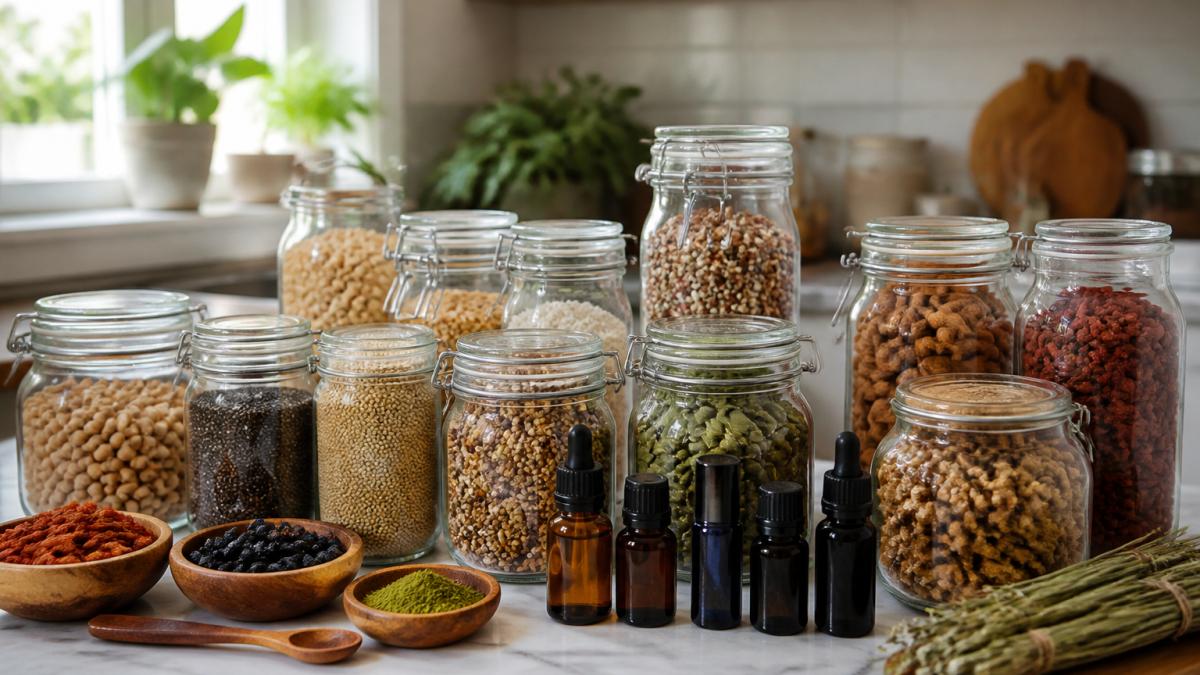
Start with dried legumes: lentils, chickpeas, and beans are packed with protein and fiber, cost almost nothing per pound, and store for years.
Seeds and nuts are pricier but nutrient-dense.
Dried herbs like turmeric, oregano, and ginger are superfoods in their own right, a small amount of turmeric delivers anti-inflammatory compounds, and they cost pennies per serving in bulk.
Green tea and herbal tea are affordable wellness staples, a box of quality green tea bags costs less than a single specialty supplement, plus the benefit of a daily ritual.
Bulk Buying and Cost Per Serving
The real savings come from buying in bulk: a 5-pound bag of organic grains costs less per pound than a 1-pound package, and the same applies to legumes, seeds, and dried herbs.
Calculate cost per serving, not price per pound. A $15 bulk bag of oats yielding 30 servings is 50 cents per serving, far cheaper than breakfast cereals or instant packets.
Allstarhealth offers guidance on building your natural food supply with bulk options suited to your household size and storage.
Selecting Organic Pantry Staples for Holistic Health
Organic pantry staples form the foundation of a holistic health approach: choosing organic avoids synthetic pesticides and supports farming that preserves soil health and biodiversity.
Not every food needs to be organic, some crops are sprayed heavily, others rarely.
Oils deserve special attention.
Storage matters: keep grains and legumes in airtight containers away from light and heat, and oils in cool, dark places.
How to Verify Quality and Authenticity When Shopping Online
You can’t smell, shake, or read the back of a bottle through a screen, exactly where dishonest sellers of “natural” wellness products operate. The fix isn’t trusting harder; it’s verifying against a short, repeatable checklist before you click buy.
The Five-Point Verification Checklist
1. Sourcing transparency. A legitimate seller names the country or region of origin for key ingredients, ideally the supplier.
**2.
**3.
4. Ingredient list completeness. Every active ingredient should have a milligram amount. Every inactive ingredient (fillers, binders, capsule material) should be listed.
5. Return policy and customer support. A confident seller accepts returns on opened items within a stated window and answers ingredient questions in writing.
How to Read Reviews Without Getting Fooled
Reviews are useful, but only if you filter them. Watch for:
- Verified purchase badges carry more weight than unverified reviews, though not foolproof.
- Specificity beats enthusiasm. “Helped my knees on stairs after three weeks” tells you more than “Amazing product!”
- Read the 2- and 3-star reviews first. They describe real limitations, taste, capsule size, shipping time, batch variation, that 5-star reviews skip.
- Watch for clustering. A burst of similar five-star reviews within days of launch is a common promotional pattern.
- Cross-check off-site. Independent forums and subreddits surface issues a brand’s own review page won’t.
Reviews tell you about the shopping experience and short-term impressions. They do not verify potency or purity. Only a COA and a certification mark do that. Use reviews for fit and service; use documentation for quality.
Red Flags That Should End the Purchase
- No ingredient sourcing information anywhere on the site
- No COA, or a COA that isn’t batch-specific
- Proprietary blends with no per-ingredient amounts
- Claims to treat, cure, or prevent disease
- Prices far below the category norm with no explanation (often diluted or substituted material)
- No physical address, phone number, or named customer service contact
- A return policy excluding opened supplements, which is most of them
A Note on “Natural” as a Label
“Natural” isn’t a regulated term in most supplement markets, it doesn’t mean organic, tested, or safe. The terms with legal weight are USDA Organic (for food and some supplements), Non-GMO Project Verified, and the third-party certifications above. When a product leans on “natural” without those, treat it as marketing and use the checklist.
Putting It Together
Verification isn’t about finding one perfect product, it’s about filtering out those that can’t prove what they claim. Run every candidate through the five-point checklist, skim reviews for fit and service, and let documentation, not copywriting, decide. That’s how affordable natural wellness products online stay affordable: buy once, buy right, and don’t replace a bad bottle with a second one.
Building Your Natural Wellness Supply Without Breaking the Budget
The strategy for affordable natural wellness products online is smart shopping: buy strategically, buy in bulk where it makes sense, and focus on what you’ll actually use.
Start with the basics: a quality multivitamin or mineral supplement for dietary gaps, herbal teas you enjoy, and key superfoods like grains and legumes.
Track what you actually use. If a supplement goes unused for a month, it’s not right for you, however affordable.
Building an affordable natural wellness supply is about informed choices, not sacrificing quality for price.
| Selection Criteria | What to Look For | Why It Matters |
|---|---|---|
| Ingredient quality | Standardized extracts, organic sourcing, third-party testing | Ensures potency and safety |
| Cost per serving | Bulk pricing, yield per package | Reveals true affordability |
| Certifications | Third-party testing logos, Certificates of Analysis | Verifies claims and purity |
| Retailer transparency | Sourcing details, return policies, customer support | Builds confidence in authenticity |
Frequently Asked Questions
What natural wellness products are actually worth buying on a budget?
Focus on affordable natural wellness products that address your specific health goals rather than buying everything. Herbal supplements like ginseng, turmeric, and echinacea are available. Superfoods such as hemp seeds, dried mushrooms, and green tea provide nutrition at lower cost per serving when bought in bulk. Essential oils for wellness work best for aromatherapy and topical use when diluted properly. Prioritize items you’ll use regularly and that fit your dietary needs.
How can I tell if a natural wellness product is good quality when shopping online?
Check for third-party testing certifications from recognized bodies that verify purity and potency. Read ingredient lists carefully, look for single-origin or clearly sourced components rather than vague ‘proprietary blends.’ For herbal supplements, verify that the active compounds are listed with standardized percentages. For essential oils for wellness use, confirm they’re pure, not diluted with carrier oils unless stated. Customer reviews mentioning specific results and transparent sourcing information are reliable indicators. Avoid products making unsubstantiated health claims, and verify that organic pantry staples carry legitimate organic certification.
Are affordable superfoods online actually cheaper than buying in stores?
Bulk online purchases of affordable superfoods can offer value, especially for items like bulk powders, dried mushrooms, and specialty grains. However, total cost depends on shipping fees, minimum order quantities, and whether you buy regularly. Subscription options or loyalty programs can lower per-unit costs further. Compare cost per serving across sources, a larger container of turmeric or hemp seeds bought online may offer better value than smaller retail packages, but only if you use the product before it expires.
How do I choose herbal supplements safely if I’m taking other medications?
Before buying herbal supplements online, consult your healthcare provider about potential interactions with any medications you take. Some herbs like St. John’s Wort interfere with prescription drugs, while others like ginseng may affect blood pressure. When choosing herbal supplements, prioritize products with published safety data and clear ingredient lists. Avoid combining multiple herbal supplements without guidance. Start with single-ingredient products rather than complex blends so you can identify what works for you. Look for brands that provide third-party testing results and transparent sourcing information for accountability.