Table of Contents
- What Ancient Grains Are and Why They Matter for Your Health
- Ancient Grains Nutrition: Protein, Fiber, and Micronutrients Explained
- Ancient Grains vs. Modern Grains: What’s the Real Difference?
- Health Benefits: Heart Health, Blood Sugar, and Digestion
- Popular Ancient Grains: A Grain-by-Grain Guide
- How to Cook Ancient Grains: Methods and Timing
- How to Store Grains in Bulk for Freshness and Safety
- Who Should Use Caution: Gluten, Allergies, and Dietary Needs
- Frequently Asked Questions
Last Updated: October 12, 2026
What Ancient Grains Are and Why They Matter for Your Health
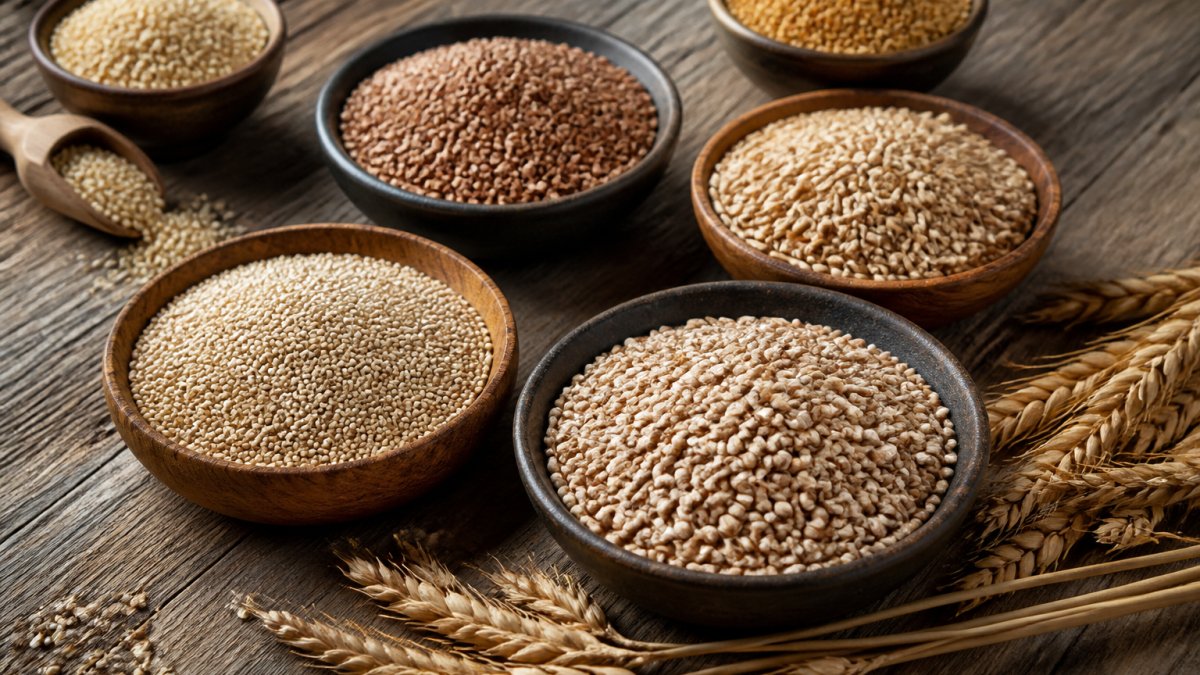
Ancient grains are cereal crops largely unchanged for thousands of years, unlike the modern wheat, corn, and rice dominating today’s food supply, and ancient grains health benefits stem from this nutritional integrity. Cultivated since antiquity, they retain their original genetic structure and the nutritional profiles selective breeding stripped from contemporary varieties.
What sets ancient grains apart isn’t nostalgia. Modern grains were bred for yield, disease resistance, and processing convenience, not nutritional density, which reduced protein, eliminated micronutrients, and altered glycemic response. Ancient grains never underwent that transformation, so they retain bioactive compounds, antioxidants, and phytonutrients modern varieties lack.
Health-conscious households increasingly recognize this distinction. Families building a natural pantry discover that switching to ancient grains changes not just nutrient intake but how their bodies respond to carbohydrates. That’s the driver behind growing interest in benefits of ancient grains for health: people notice tangible differences in energy, digestion, and satiety.
Ancient grains were never bred for industrial agriculture. That’s their advantage and their limitation, they’re harder to grow at scale and more expensive to process, but they’ve kept their nutritional integrity intact.
Ancient Grains Nutrition: Protein, Fiber, and Micronutrients Explained
The nutritional superiority of ancient grains lies in three areas: protein density, dietary fiber, and micronutrient concentration. These compound to create a profile refined grains cannot match.
Protein and Dietary Fiber Content
Ancient grains deliver substantially higher protein than refined modern grains. Quinoa contains all nine essential amino acids, making it a complete protein, a rarity among plant foods. Amaranth and spelt also exceed conventional wheat’s protein content, which matters for household nutrition and active lifestyles without animal products.
Most ancient grains retain their bran and germ during processing, so the fiber stays intact. This fiber feeds beneficial gut bacteria, supports stable blood sugar, and promotes satiety. The fiber in ancient grains supports satiety.
Vitamins, Minerals, and Antioxidants
Ancient grains concentrate minerals modern grains have largely lost. Teff contains iron, calcium, and magnesium in quantities valuable for high mineral demands. Farro and spelt deliver meaningful B vitamins, including niacin and thiamine. These aren’t trace amounts but nutritionally significant contributions to daily intake.
The antioxidant content distinguishes ancient grains most sharply from refined alternatives. Whole-grain ancient varieties contain phenolic compounds and other bioactive substances that reduce oxidative stress in the body. Research from the USDA Agricultural Research Service documents that whole grains contain significantly higher antioxidant activity than refined grains. For households prioritizing preventative health, this distinction translates to choosing foods that can contribute to overall well-being.
Ancient grains retain the bran and germ where most micronutrients concentrate. Refined modern grains strip these away, leaving mostly starch.
Ancient Grains vs. Modern Grains: What’s the Real Difference?
The difference between ancient and modern grains comes down to selective breeding and processing. Modern grains were engineered for industrial agriculture: uniform growth, quick maturity, easy processing into white flour. That engineering came at a nutritional cost.
Modern wheat, the dominant global grain, was bred to maximize gluten for baking and yield per acre, reducing mineral density and altering digestive properties. Refined modern grains then undergo processing that removes the bran and germ entirely, eliminating most fiber, vitamins, and minerals. What remains is primarily starch and some protein, a shadow of the original grain.
Ancient grains were never subjected to this industrial redesign. They remained genetically similar to ancestral forms because they weren’t bred for yield or processing convenience, so they retain whole-grain nutrient density and the complex carbohydrate structure that produces a stable glycemic response.
Whole-grain modern varieties (brown rice, whole wheat) beat their refined counterparts but still don’t match most ancient grains’ nutrient concentration. Ancient grains represent a different category of nutritional density entirely.
Health Benefits: Heart Health, Blood Sugar, and Digestion
The health benefits of ancient grains cluster around three systems where dietary quality produces measurable impact: cardiovascular health, glucose regulation, and digestive function. These emerge from how the grain’s structure interacts with human physiology.
Heart Health and Cholesterol
Ancient grains contribute to heart health through multiple mechanisms. High fiber reduces cholesterol absorption, lowering LDL levels. Magnesium supports healthy blood pressure. Antioxidants reduce inflammation in arterial walls, a key factor in heart disease risk.
Consuming whole grains regularly is associated with lower rates of heart disease and stroke (pubmed.ncbi.nlm.nih.gov). Dietary quality directly influences vascular health: swapping refined grains for ancient grains replaces empty calories with nutrient-dense foods that can support cardiovascular function.
Blood Sugar Control and Glycemic Response
The glycemic response to ancient grains differs fundamentally from refined modern grains. Intact fiber and bran slow glucose absorption, preventing the spikes and crashes refined carbohydrates trigger. This matters for anyone interested in managing energy levels, metabolic health, or blood sugar regulation.
Amaranth, quinoa, and other ancient grains produce a slower, more stable blood sugar response than refined wheat or white rice. That stability can contribute to sustained energy and reduced cravings. For households with different energy and metabolic needs, ancient grains can support stable performance.
Don’t assume all “whole grain” products contain ancient grains. Many commercial whole grain products still use modern wheat varieties. Check the ingredient list specifically for ancient grain names like quinoa, amaranth, or spelt.
Digestive Health and Gut Function
The dietary fiber in ancient grains feeds beneficial gut bacteria, producing short-chain fatty acids that support intestinal health and immune function. This prebiotic effect can contribute to digestive ecosystem health.
People transitioning to ancient grains may experience improved digestion and reduced bloating. The mechanism involves increased fiber plus specific carbohydrates that resist rapid fermentation. For digestive sensitivities, ancient grains may prove more tolerable than modern wheat, partly due to lower gluten in some varieties and partly the different carbohydrate structure.
Popular Ancient Grains: A Grain-by-Grain Guide
Understanding individual ancient grains helps you build a diverse pantry serving different culinary and nutritional purposes. Each brings distinct flavor, texture, and nutrients.
Quinoa, Amaranth, and Millet
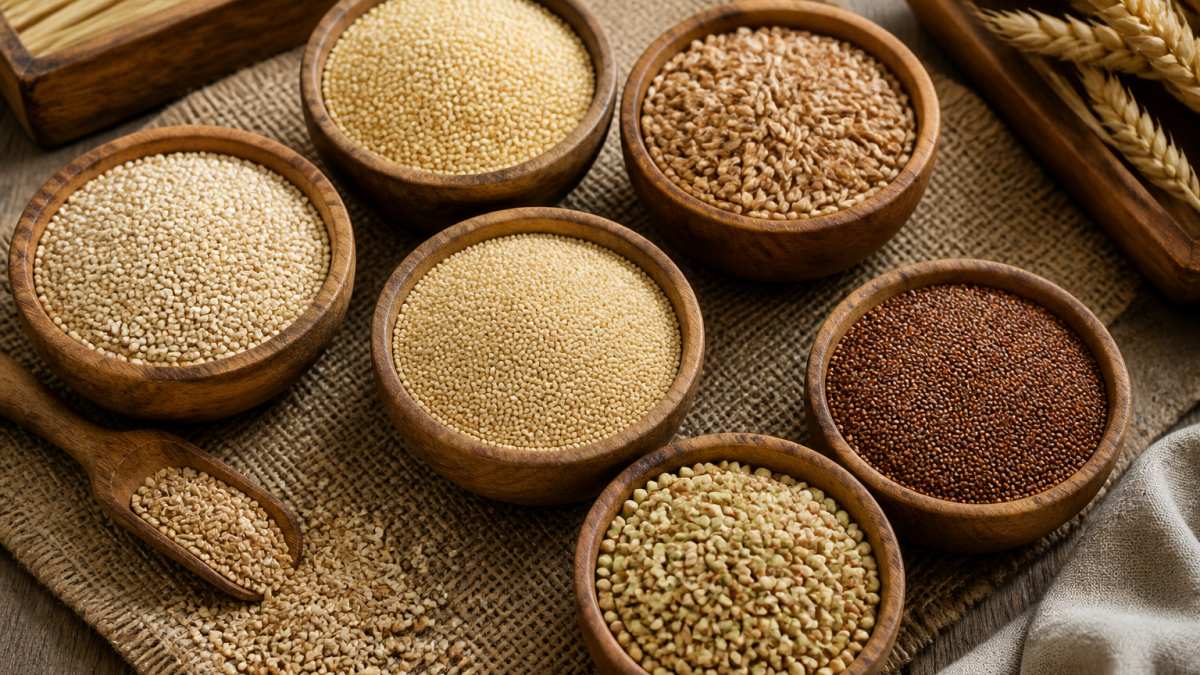
Quinoa is the only ancient grain that’s a complete protein, containing all nine essential amino acids. It cooks in 15 minutes, has a mild, nutty flavor, and works in savory and sweet dishes. Amaranth is smaller, slightly peppery, and traditionally popped or ground into flour. Millet offers a delicate, sweet flavor and fine texture, ideal for side dishes or breakfast porridges. All three are naturally gluten-free.
Farro, Spelt, and Einkorn
Farro is chewy, nutty, and holds its shape in soups and grain salads. Spelt has a slightly sweet, complex flavor, ideal for baking and pilafs. Einkorn, the oldest cultivated wheat species, has a rich, wheaty flavor and lower gluten than modern wheat, though it’s not gluten-free. All three are hulled, retaining more of their protective outer layer, which preserves nutrients but requires 45-90 minutes cooking.
Teff, Sorghum, and Buckwheat
Teff grains are tiny but nutrient-dense, with a mild, sweet flavor. Traditionally ground into flour for injera bread, they also cook as porridge. Sorghum offers a mild, sweet taste, good in pilafs and side dishes. Buckwheat, despite its name, is not wheat but a seed from an unrelated plant, making it naturally gluten-free. It has an earthy, nutty flavor and cooks in 15-20 minutes.
Quinoa and buckwheat for quick weeknight meals under 30 minutes. Farro and spelt for weekend cooking projects where texture matters. Teff and amaranth for baking and flour applications.
How to Cook Ancient Grains: Methods and Timing
Cooking ancient grains requires understanding that different grains have different water absorption rates and cooking times. The basic method stays consistent: rinse, toast (optional but improves flavor), simmer in water or broth until tender.
Quinoa and buckwheat cook in 15 minutes with a 2:1 water-to-grain ratio. Amaranth needs 3:1 and 20-25 minutes. Millet uses 2.5:1 and cooks in 15-20 minutes. Farro and spelt need 3:1 and 45-90 minutes depending on pearled or hulled. Teff requires 3:1 and 15-20 minutes, often prepared as thick porridge rather than individual grains.
Toasting grains before cooking intensifies flavor and improves digestibility. Heat dry grains in a pan 2-3 minutes until fragrant, then add water or broth and simmer. This minimal step produces noticeably better results, particularly with millet, amaranth, and teff.
Cook larger batches and refrigerate portions up to five days. This transforms ancient grains from an occasional ingredient into a reliable pantry staple for quick meals. Cooked grains reheat well with a splash of water or go cold into salads.
How to Store Grains in Bulk for Freshness and Safety
Bulk grain storage requires attention to moisture, temperature, and pest prevention. Grains stored properly maintain quality for years; stored carelessly, they degrade within months or become contaminated.
Store grains in airtight containers in a cool, dark location. Temperature stability matters more than absolute coldness; a consistent 50-70°F is ideal, since fluctuations create condensation that promotes mold and rancidity.
Moisture content is critical: grains should contain around 10-12% moisture when stored. If you notice moisture inside containers, dry the grains in a low oven (150°F) for 10-15 minutes before returning them to storage. Oxygen absorbers inside sealed containers extend shelf life by preventing oxidation and pest activity.
Inspect stored grains periodically for insects or off-odors. Whole grains stored in ideal conditions last 2-3 years; ground flours last 3-6 months due to increased surface area exposed to oxidation. Rotate stock and use older grain first to prevent waste and keep product fresh.
Who Should Use Caution: Gluten, Allergies, and Dietary Needs
Not all ancient grains are gluten-free, and some individuals need to approach them carefully regardless of gluten content. Understanding these limitations ensures ancient grains serve your household’s actual dietary needs.
Farro, spelt, and einkorn contain gluten, though some with mild gluten sensitivity report better tolerance than to modern wheat. This isn’t reliable enough for anyone with celiac disease or diagnosed gluten sensitivity, who should avoid these grains entirely.
Grain allergies are less common than gluten sensitivity but do occur; amaranth and quinoa allergies exist but are rare. If you have a known grain allergy, introduce any new grain gradually and in small quantities to assess tolerance.
Individuals taking certain medications should consult healthcare providers before significantly increasing dietary fiber, as high-fiber foods can affect medication absorption.
Ancient grains represent one of the most straightforward nutritional upgrades available to households prioritizing preventative health. The difference in nutrient density, fiber content, and how your body processes these foods is measurable and noticeable.
Frequently Asked Questions
What are ancient grains and how do they differ from modern grains?
Ancient grains are crops that have remained largely unchanged for thousands of years, including quinoa, amaranth, farro, spelt, and teff. Modern grains like wheat have been extensively bred and refined over decades to increase yield and processing convenience. Ancient grains typically retain their bran and germ, making them whole grains with higher fiber, protein, and micronutrient density. Modern refined grains often have the nutrient-rich outer layers removed, which is why whole-grain versions are recommended for better health outcomes.
Are ancient grains high in protein and fiber?
Yes, ancient grains are notably higher in both protein and dietary fiber compared to refined modern grains. Quinoa contains all nine essential amino acids, making it a complete protein source. Amaranth and millet also provide substantial protein per serving. Most ancient grains deliver 5-8 grams of fiber per cooked cup, supporting digestive health and stable blood sugar. This nutrient density is one reason they’re valued by health-conscious households building a nutritious pantry.
Can ancient grains help with blood sugar control and heart health?
Ancient grains can be a beneficial part of a balanced diet. Their high fiber content slows digestion, which can contribute to a more stable glycemic response compared to refined grains. The fiber, antioxidants, and bioactive compounds in ancient grains may also help support cardiovascular health. However, individual responses vary based on overall diet and health status. If you’re managing diabetes or heart disease, include ancient grains as part of a balanced diet and consult your healthcare provider.
Are ancient grains gluten-free?
Not all. Farro, spelt, einkorn, and barley contain gluten and are unsuitable for people with celiac disease or gluten sensitivity. However, quinoa, amaranth, millet, teff, buckwheat, and sorghum are naturally gluten-free. If you need gluten-free options, choose from the latter group and verify packaging labels for cross-contamination during processing. Many health-conscious households managing dietary restrictions find ancient grains offer variety beyond standard gluten-free alternatives.