Table of Contents
- Why Shoppers Look for Hive Brands Alternatives
- Best Organic Pantry Delivery Sites to Consider
- Bulk Pantry Staples: What to Buy and Where
- Organic Pantry Staples Online: Selection and Quality
- Pantry Storage Containers and Organization Systems
- Price, Value, and How to Compare Options
- Making Your Choice: Key Factors to Evaluate
- Frequently Asked Questions
Last Updated: October 14, 2026
Why Shoppers Look for Hive Brands Alternatives
Many health-conscious shoppers explore hive brands alternatives pantry options for more control over sourcing, pricing, and variety, whether they want organic staples, bulk options, or ingredients for biblical and ancient recipes. The right source offers transparency, quality, and accessibility without compromising your wellness goals.
This guide breaks down what alternatives exist for natural and organic foods, from premium grains to superfoods, so you can choose where to source your pantry staples.
Best Organic Pantry Delivery Sites to Consider
Most top-ranking pages for this query answer a different question: where to buy pantry organizers. If you searched for a Hive Brands alternative for pantry items, you want food, not bins.
Hive Brands built its reputation on curated natural and organic packaged foods with a sustainability angle. A true alternative must match on four dimensions: category coverage, ingredient standards, package sizes, and where you can buy it.
Staples and grains. The highest-volume pantry category, and where alternatives diverge most. Shoppers want organic quinoa, brown rice, oats, farro, and heritage grains like einkorn or spelt.
Legumes and canned goods. Lentils, chickpeas, black beans, and canned tomatoes are pantry workhorses. Compare sodium content, whether the can lining is BPA-free, and whether beans are packed in water or with added salt. Alternatives range from supermarket organics to bulk dry-goods suppliers.
Oils, vinegars, and condiments. Ingredient quality varies most here. Look for cold-pressed or unrefined oils, and check whether condiments use cane sugar versus high-fructose corn syrup. A 16.9 oz oil bottle is standard, but 33.8 oz or 1 L formats often cut unit cost significantly.
Snacks and better-for-you packaged foods. Hive Brands was strongest here, and alternatives are most fragmented. Granola, crackers, nut butters, and protein bars each have different leaders. Compare added sugar per serving, whether the primary ingredient is a whole food, and whether packaging is recyclable or compostable.
Spices and dried herbs. Freshness is the whole game. Whole spices keep far longer than ground, and suppliers selling small, frequently restocked batches beat discount bulk bins on aroma and potency.
Superfoods and specialty ingredients. Matcha, cacao, chia, flax, and nutritional yeast are the items most likely to justify a specialty source, since supermarket versions are often stale or diluted. Check for third-party testing, harvest date, and country of origin.
Where to actually buy. Alternatives fall into four buckets: national natural grocers with strong private-label organics (convenience and returns), bulk-focused online suppliers (unit price on staples), curated wellness marketplaces (discovery and dietary filtering), and direct-to-consumer brand sites (freshness and subscription discounts, but usually one brand only).
Build a short list of two or three alternatives, then compare them on the same five items you buy every month. That like-for-like basket is a far better signal than browsing each site’s homepage.
USDA Organic certification standards overview
To run this comparison, list your ten most-repurchased pantry items with current package size and unit price, then check each alternative against that list. The site matching the most items at comparable or better unit price is your best Hive Brands alternative, regardless of marketing polish.
Bulk Pantry Staples: What to Buy and Where
Bulk pantry staples are the foundation of a cost-effective, organized kitchen. Buy in bulk what has a long shelf life and consistent usage: grains, legumes, dried herbs, nuts, seeds, and superfoods.
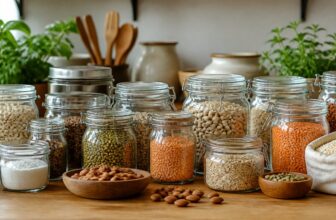
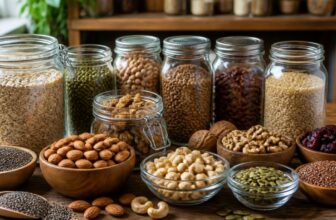
Whole grains like quinoa, farro, and ancient varieties store for months in airtight containers. Legumes, lentils, chickpeas, black beans, support everyday cooking and specialized diets. Quality dried herbs and spices retain potency far longer than supermarket versions and cost less per ounce. Nuts and seeds are nutrient-dense and work across many meals.
Where you buy matters. Dedicated pantry sites often beat retail grocery stores on per-unit pricing, especially for organic varieties. But weigh storage space, consumption rates, and whether you’ll use items before they lose freshness, a 10-pound bag of quinoa is only a bargain if you eat quinoa regularly.
Allstarhealth’s approach includes guidance on building a nutritious, natural food supply, helping you choose what to stock and in what quantities, beyond just listing products.
Organic Pantry Staples Online: Selection and Quality
Organic pantry staples online require careful evaluation. Not all “organic” labels carry the same weight, and selection varies dramatically between platforms.
Verify certification standards: third-party verification marks indicate independent testing against defined organic criteria. Freshness matters too, items with longer shelf lives at the supplier level reach you fresher, and frequent stock rotation matters for dried goods that lose potency.
Selection depth varies: one platform might carry ten organic flours but two ancient grains; another excels at superfoods but has limited legumes. Your choice depends on what you cook. For biblical or ancient recipes, you need specific ingredients, spelt, einkorn, heritage grains, that mainstream grocers rarely stock.
Allstarhealth’s curated selection addresses this gap, combining common organic staples with harder-to-find ingredients and wellness resources like herbal medicine, useful if you’re building a pantry around specific dietary practices or health goals.
The best online source for organic pantry staples is one that matches your cooking style, offers transparent sourcing, and stocks items you’ll actually use regularly.
Pantry Storage Containers and Organization Systems
Pantry storage containers directly impact food freshness, visibility, and space efficiency.
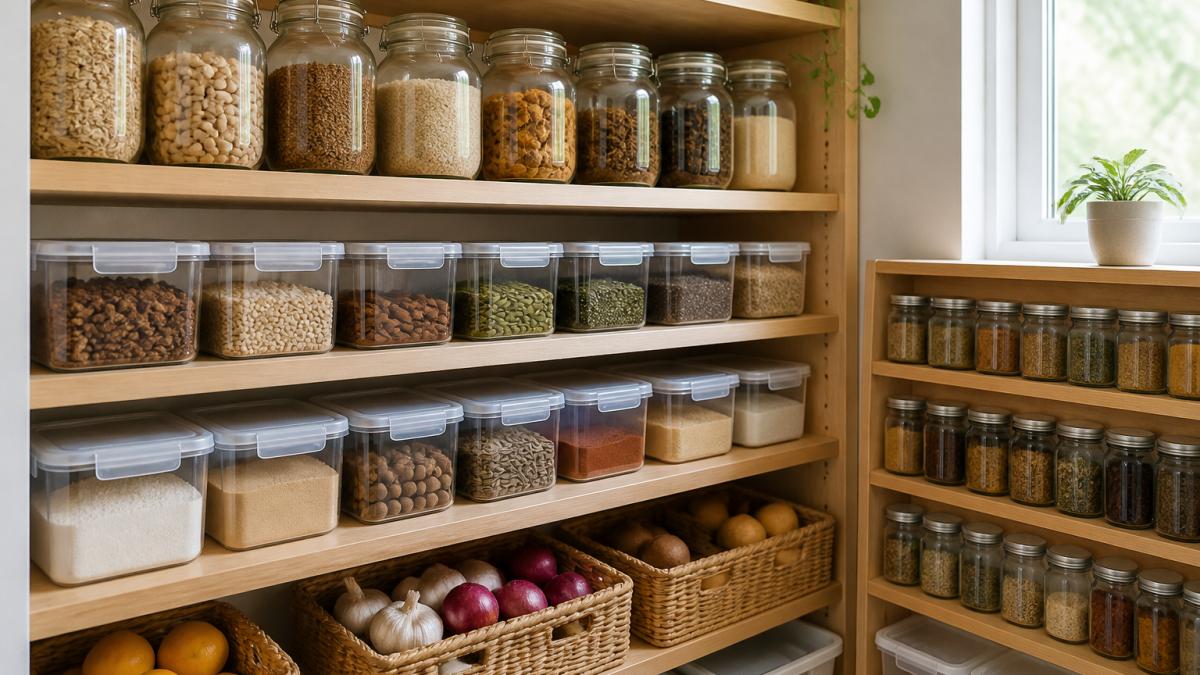
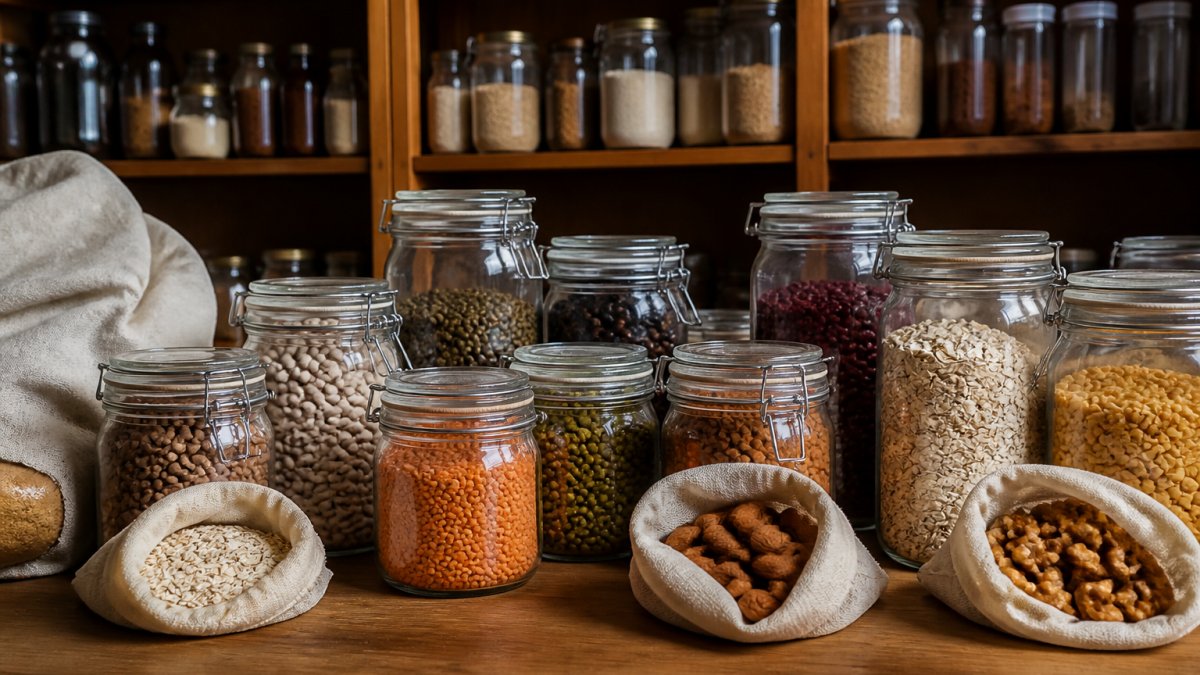
Airtight containers preserve freshness far longer than original packaging. Clear bins show what you have without opening every container. Stackable options maximize vertical space in small kitchens, while Lazy Susans and shelf organizers improve access and prevent shifting.
For small kitchens, prioritize clear, stackable containers in standard sizes to save space, improve visibility, and simplify restocking. Label everything with contents and dates to prevent waste and maintain rotation.
Containers don’t determine what you stock, that’s a sourcing decision, but they affect how long your organic staples stay fresh and how efficiently you use space. Quality containers pay for themselves through reduced waste.
Price, Value, and How to Compare Options
Hive brands alternatives pantry options vary dramatically in cost structure, and the cheapest option isn’t always the best value.
Consider these factors when comparing:
- Per-unit cost: Calculate actual price per ounce or pound, not just total price. A larger container often costs less per unit but requires more upfront investment.
- Quality and sourcing: Organic items cost more than conventional products. Specialty ingredients command higher prices. Factor in whether the premium aligns with your health priorities.
- Shipping and minimums: Some platforms offer free shipping above a certain order value. Others charge per shipment regardless of size. Calculate total landed cost, not just product price.
- Variety and convenience: Buying everything from one source saves time and reduces delivery costs, even if individual items cost slightly more than alternatives.
- Freshness and waste: A cheaper product that spoils before you use it has zero value. Consider how quickly items move through your household.
Allstarhealth’s pricing depends on quantity, product type, and availability, visit the site for current prices. The value proposition isn’t lowest cost but access to curated natural and organic products with wellness integration and pantry guidance. Compare total cost of ownership, not just unit price.
Avoid buying in bulk just because the per-unit cost looks good. A 25-pound bag of an ingredient you use monthly is smart. A 25-pound bag of something you use quarterly is waste disguised as savings.
Making Your Choice: Key Factors to Evaluate
Choosing a Hive Brands alternative for pantry items comes down to a like-for-like comparison, not a vibe check. The framework below covers the categories that actually differ: ingredient standards, unit economics, availability, and packaging.
1. Ingredient and certification standards. Start with the label. Certified organic (USDA Organic in the U.S.) is the baseline most Hive Brands shoppers expect.
2. Nutrition and dietary fit. Compare per-serving numbers, not per-package. Sodium, added sugar, and fiber vary most between brands in the same category. If you follow a specific diet (gluten-free, vegan, keto, low-FODMAP), filter alternatives by whether they publish allergen and dietary information clearly, sites that hide it behind a chat window are a red flag.
3. Price and value per unit. Most shoppers leave money on the table here. Always convert to price per ounce or pound: a 2 lb bag at $14 is $0.44/oz; a 5 lb bag at $28 is $0.35/oz. The larger format wins only if you’ll use it before it goes stale.
4. Package size and storage fit. Match the format to your storage. A 25 lb sack of flour is a great deal if you bake weekly and have a food-grade bucket; it’s a pest magnet if you bake monthly. Standard pantry containers fit 1-2 lb and 32-64 oz formats, so buying those sizes keeps storage simple.
5. Availability and purchasing options. Check whether the alternative ships nationwide, has regional restrictions, or requires a minimum order. Online-only suppliers often have better selection but slower restocks; national grocers replenish faster but carry narrower specialty ranges. For items you need consistently, confirm they’re core SKUs, not seasonal.
6. Sustainability and packaging. Compare materials directly: glass versus plastic, recyclable versus compostable, and whether the supplier offers refill or return programs. This was one of Hive Brands’ clearest differentiators, so hold alternatives to the same standard, suppliers that publish packaging details are usually more transparent overall.
7. Freshness and rotation. For dried herbs, spices, nuts, and oils, freshness beats price. Ask how often stock rotates, whether harvest or pack dates are printed, and whether the supplier ships from a climate-controlled facility. Nuts and oils go rancid faster than most shoppers expect.
8. Guidance and support. Some alternatives offer recipe content, dietary filters, and pantry-planning tools; others are pure storefronts. If you’re building a pantry around a specific way of eating, guidance is worth a small premium. If you know exactly what you want, skip it.
Do not choose an alternative based on a single hero product. A site that stocks one great olive oil but has thin coverage of grains, legumes, and spices will force you back into multi-platform shopping, which is exactly the friction you were trying to escape.
A simple decision process. Write down your ten most-repurchased pantry items. For each alternative, check whether it stocks all ten, note unit prices, and confirm package sizes fit your storage. Score each site on ingredient standards, unit price, availability, and packaging. The alternative that scores well across all four, rather than dominating one, is usually the one you’ll stick with.
The best Hive Brands alternative for pantry items is the one that matches your real shopping list on ingredients, unit price, package size, and availability, not the one with the best homepage.
FDA guidance on food allergen labeling
Frequently Asked Questions
What are the best alternatives to Hive Brands for pantry items?
Popular alternatives include Mountain Rose Herbs for herbal products, Azure Standard for bulk organic staples, iHerb for international natural foods, and Wildly Organic for specialty items. Allstarhealth offers a focused selection of organic pantry staples, ancient recipes, and wellness resources. Each option differs in product range, pricing structure, and delivery speed. Your best choice depends on whether you prioritize herbal remedies, bulk discounts, specialty dietary items, or integrated wellness guidance.
Where can I buy organic pantry staples online?
Multiple platforms specialize in organic pantry staples delivered online. Mountain Rose Herbs focuses on dried herbs and wellness products. Azure Standard offers bulk grains, legumes, and superfoods at wholesale pricing. Allstarhealth provides curated organic selections with biblical and ancient recipe guidance. iHerb stocks international natural foods and supplements. The Food Mill emphasizes local and organic options. Compare selection, minimum order sizes, shipping costs, and whether they offer bulk discounts or loyalty programs before committing.
What pantry items are worth buying in bulk?
Grains, legumes, nuts, seeds, dried herbs, spices, and superfoods offer the best bulk value because they store long-term in airtight containers and have stable prices. Rice, lentils, quinoa, oats, and dried beans are pantry staples that rarely spoil when kept dry and cool. Organic flours, coconut oil, and raw honey also justify bulk purchases. Avoid buying perishable items or products with short shelf lives in bulk unless you use them regularly. Check expiration dates and storage requirements before ordering large quantities.
How do I organize pantry staples after ordering in bulk?
Use airtight, stackable containers or clear bins to store bulk items and maximize shelf space. Label each container with contents and purchase date. Group similar items together: grains in one section, legumes in another, spices on a lazy Susan for easy access. Store heavier items on lower shelves and lighter containers above. Keep frequently used staples at eye level for quick visibility and accessibility. Consider magnetic tins for spices and mason jars for smaller quantities. Rotate stock using the first-in-first-out method to maintain freshness.