Table of Contents
- What Essential Oils Are and Why They Matter for Holistic Health
- Essential Oils for Anxiety and Stress Relief
- Essential Oils for Sleep and Relaxation
- How to Use Essential Oils Safely
- Essential Oil Dilution for Skin Care
- Popular Essential Oils and Their Uses
- Choosing Quality Essential Oils: Sourcing and Testing
- Building Your Essential Oil Wellness Routine
- Frequently Asked Questions
Last Updated: October 17, 2026
What Essential Oils Are and Why They Matter for Holistic Health
At Allstarhealth, we understand that essential oils for holistic health represent far more than pleasant scents, they’re concentrated plant extracts used across cultures for centuries to support physical and emotional wellbeing. These volatile plant compounds, used thoughtfully, can complement a comprehensive wellness routine.
Not all oils are created equal, the difference comes down to sourcing, extraction methods, and testing.
Plant-derived wellness: beyond fragrance
Plant-derived essential oils work through multiple pathways. Inhaled aromatic compounds travel through your olfactory system and can influence mood and relaxation; applied topically (always diluted), they interact with skin. The key is matching the method to your need.
Inhalation through diffusion or direct breathing can influence mood and stress support, while topical application (always diluted in a carrier oil) can be used for skin-focused goals. Oils like lavender, peppermint, and tea tree remain widely used options.
Quality and sourcing: what separates effective oils from marketing hype
Most guides skip past quality and jump straight to uses, that’s backwards. A low-quality oil, whether degraded from poor storage, diluted with fillers, or harshly extracted, may not perform as expected compared to a pure, properly sourced product.
Look for small-batch production runs rather than massive industrial operations, small-batch producers typically maintain stricter quality control and can trace botanicals to specific growing regions.
Red flags include vague sourcing claims (“sourced globally”), missing batch numbers, or prices that seem too low for the category.
Essential Oils for Anxiety and Stress Relief
When stress builds, many people turn to aromatherapy as a natural complement to existing wellness practices. Essential oils for anxiety and stress are one of the most popular applications, though results vary with individual response and consistent use.
Top oils for calming and mood support
Lavender is a versatile option for stress and relaxation, suitable for diffusion during work, pulse-point application before bed, or blending into carrier oils. Bergamot’s uplifting citrus profile is often used for low mood or mental fatigue, while frankincense carries a grounding, meditative quality.
Roman chamomile and ylang-ylang are often used as alternatives, while vetiver’s deep, earthy character is sought by those seeking a more substantial presence. Select one or two, use them consistently, and observe your response before rotating.
How inhalation and aromatherapy work for stress
Inhalation delivers aromatic compounds directly to olfactory receptors connected to brain regions involved in emotional processing (Therapeutic Effect and Mechanisms of Essential Oils in Mood Disorders). Diffusion disperses oils into your environment for a sustained aromatic presence.
Direct inhalation from an open bottle or inhaler provides a more concentrated effect for immediate stress support. Office workers often prefer diffusion for discretion; someone at home might use direct inhalation before a challenging task.
Essential Oils for Sleep and Relaxation
Sleep quality depends on multiple factors, but aromatherapy can create a supportive environment for better rest. Essential oils for sleep work best as part of a broader bedtime routine, not a standalone solution.
Popular oils and blends for better rest
Lavender is a widely used oil for sleep support, often diffused 30 minutes before bed. Cedarwood adds a woody, grounding note, and Roman chamomile brings a gentle, soothing quality.
A practical blend combines 3 drops lavender, 2 drops cedarwood, and 1 drop Roman chamomile in a diffuser. Sandalwood offers a warmer, more meditative option. Consistency is key: using the same blend nightly can help create a routine for sleep preparation.
Creating a bedtime aromatherapy routine
Start diffusing 20-30 minutes before sleep, giving the aroma time to settle. Pair it with dimmed lighting, reduced screen time, or gentle stretching so the aromatherapy becomes a signal that sleep is approaching.
Some prefer applying a diluted blend to their pillow instead of diffusing, keeping the aroma close. Always dilute properly, 2-3 drops per teaspoon of carrier oil, and never apply undiluted oils to skin.
How to Use Essential Oils Safely
Safety is where many enthusiasts stumble. Understanding proper application and when to avoid oils entirely prevents discomfort and ensures you get the most from your routine.
Inhalation vs. topical application: methods and precautions
Inhalation through diffusion or direct breathing is a common entry point for most people. Don’t diffuse continuously for hours without breaks, and keep your space ventilated.
Topical application demands more care. Essential oils should NEVER be applied undiluted, they’re highly concentrated and can cause irritation or sensitization. Always dilute in a carrier oil like coconut, jojoba, or sweet almond. For topical application, dilution is recommended.
Ingesting essential oils carries risks and should only be done under professional guidance. Stick with inhalation and topical application as your primary methods.
When to avoid essential oils and seek medical care
Certain groups should exercise caution or avoid oils entirely. Pregnant women should consult their healthcare provider first. Many oils aren’t appropriate for babies or small children.
If you have asthma, diffusing oils may trigger symptoms, test cautiously in a well-ventilated space. People taking medications should discuss oil use with their doctor. If you experience skin irritation, respiratory discomfort, or any adverse reaction, stop use immediately and seek medical attention if symptoms persist.
Essential oils complement wellness routines; they don’t replace medical care. If you’re managing a diagnosed condition, continue your prescribed treatment and view oils as a supportive addition.
Essential Oil Dilution for Skin Care
Proper dilution is the foundation of safe topical use. Understanding carrier oils and dilution ratios transforms essential oils from potential irritants into effective skincare allies.
Carrier oils and safe dilution ratios
Carrier oils dilute essential oils to a safe concentration and can be used in skincare. Jojoba is often used for most skin types; coconut is sometimes used for its properties; sweet almond provides lightweight hydration; rosehip is used for aging or damaged skin.
The standard adult dilution for body application is 2-3% essential oil to carrier oil; for facial use, reduce to 1% due to greater sensitivity. That’s 6 drops per ounce (about 30 milliliters) at 1%, or 12 drops per ounce at 2%. Always patch test a small area 24 hours before broader application.
Oils for common skin concerns
Tea tree oil, properly diluted, is often used for breakout-prone skin. Lavender and chamomile are used for irritation; rose and geranium for combination skin; frankincense and myrrh are used for mature skin.
Never apply these oils undiluted, regardless of their reputation for skin safety. The concentrated form is too potent for direct contact. Allstarhealth offers quality carrier oils and essential oils sourced with transparency, making it straightforward to create effective diluted blends at home.
Popular Essential Oils and Their Uses
Understanding the most versatile oils helps you build a practical collection without overbuying.
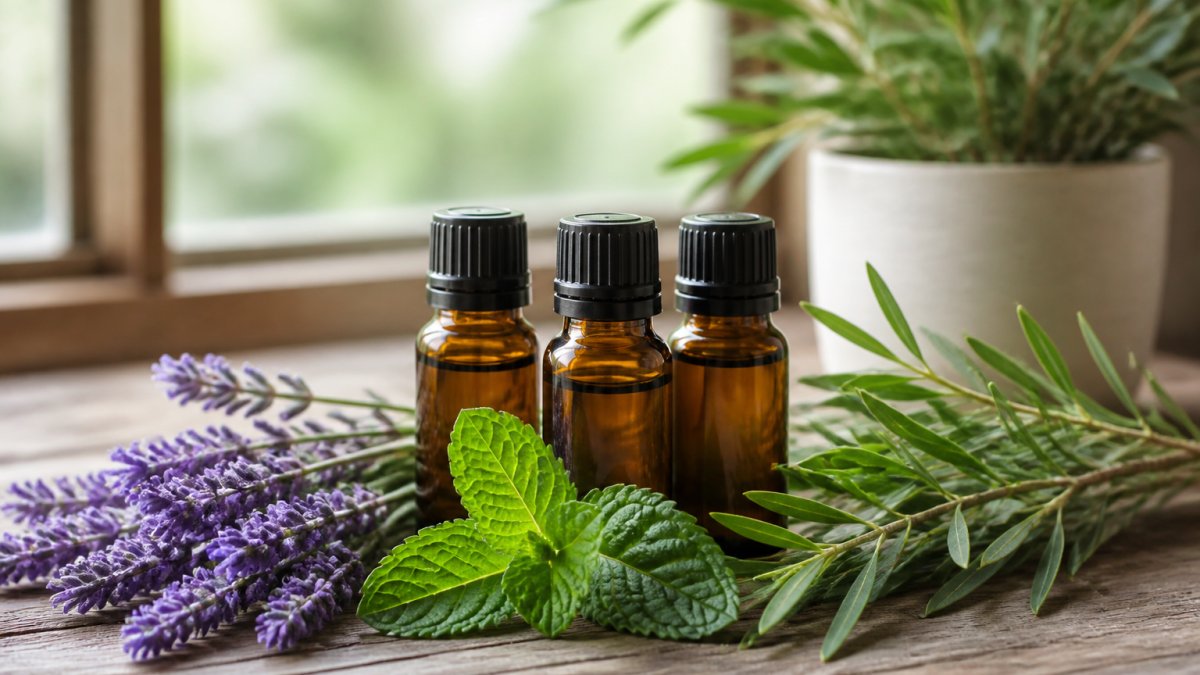
Lavender, peppermint, and tea tree: versatile botanical staples
Lavender is a universally applicable oil, use it for stress support through diffusion, diluted for topical skin application, or in a carrier oil for personal aromatherapy.
Tea tree is valued in skincare routines. Dilute thoroughly before any skin application, and never ingest. These three oils are often used in home collections because they address multiple wellness categories and work well in blends.
Frankincense, rosemary, and lemon: supporting focus and immunity
Frankincense carries a meditative, grounding quality, often diffused during work or study; its warm, woody aroma blends well with citrus oils. Rosemary brings an herbaceous, stimulating presence, and some diffuse it during morning routines.
Lemon and other citrus oils offer uplifting, energizing properties, and lemon blends particularly well with lavender. Together these oils can be used in a collection covering focus, energy, and emotional balance alongside stress and sleep support.
Choosing Quality Essential Oils: Sourcing and Testing
The market contains oils of vastly different quality at similar price points. Knowing what to look for separates genuine products from those that underperform or contain undisclosed fillers.
What GC-MS testing and small-batch production mean
GC-MS testing provides a chemical fingerprint, identifying every major compound and confirming purity. When a supplier publishes results, you can see exactly what’s present and in what proportion, proof the oil matches its label.
Small-batch production means oil extracted in smaller quantities with closer quality oversight, allowing producers to maintain consistency and trace back to specific plant sources and harvest dates.
| Quality Indicator | What It Means | Red Flag |
|---|---|---|
| GC-MS testing available | Chemical profile verified | Testing data unavailable |
| Small-batch production | Close quality control | Mass-produced without oversight |
| Named botanical source | Specific origin known | “Sourced globally” or vague |
| Batch number on label | Traceability enabled | No batch identification |
| Dark glass bottles | Proper storage protection | Clear or plastic containers |
Red flags and what to look for in purity claims
Avoid oils marketed as “100% pure” without supporting documentation, the claim is common but meaningless without testing data. Look for suppliers who provide GC-MS certificates and identify botanical sources by region or farm.
Unusually low prices warrant skepticism: quality oils require proper harvesting, extraction, testing, and storage. Conversely, pricing alone doesn’t guarantee quality, always verify through testing documentation.
Vague sourcing language like “ethically sourced” or “sustainably harvested” sounds good but provides no concrete information. Seek suppliers who name their sources: “Lavender from Provence, France” or “Tea tree from certified Australian plantations.” This specificity indicates real traceability and accountability.
Building Your Essential Oil Wellness Routine
Integrating oils into daily life requires intention and consistency. A practical routine that fits your lifestyle beats sporadic enthusiasm followed by abandonment.
DIY blends and practical applications for daily use
Start with single oils before blending, diffuse lavender in your bedroom nightly, then assess sleep quality and mood.
A morning focus blend might combine rosemary, lemon, and peppermint; an evening relaxation blend might use lavender, cedarwood, and frankincense. Record which blends you use and how they affect you to refine your routine over time.
Keep your collection small and intentional. Allstarhealth helps you select quality oils that match your wellness goals, making it easier to build a functional collection aligned with your holistic health practice.
Home fragrance, cleaning, and wellness integration
Beyond personal aromatherapy, essential oils integrate into household routines.
For home fragrance, diffuse oils rather than using artificial air fresheners. A bedroom diffuser running 30 minutes before sleep supports your rest routine; uplifting citrus in the kitchen during morning hours sets a positive tone.
Building a holistic health practice requires reliable tools and trusted sources. When stress, sleep challenges, or skin concerns arise, quality essential oils become valuable allies in your wellness toolkit.
Frequently Asked Questions
What essential oils help most with anxiety and stress?
Lavender, chamomile, and bergamot are widely used for calming support through inhalation and aromatherapy. Frankincense and ylang ylang are also popular for mood support. Inhalation via diffuser or direct breathing is the safest method. Start with one oil at a time to see how your body responds, and consult a healthcare provider if you take medications, as some oils may interact.
Can essential oils be applied directly to the skin?
Most essential oils are too concentrated for direct skin application and can cause irritation. Always dilute with a carrier oil like coconut, jojoba, or sweet almond oil before applying to skin. Perform a patch test first, and avoid sensitive areas like eyes and mucous membranes. Some oils (like lemon) increase photosensitivity, so avoid sun exposure after application.
How do I know if an essential oil is high quality?
Look for oils that have been tested using GC-MS (gas chromatography-mass spectrometry), which verifies purity and composition. Small-batch production and botanical sourcing transparency are good indicators. Avoid oils labeled as ‘fragrance oil’ or ‘perfume oil’, these are synthetic. Pure essential oils should have the plant name clearly stated, and reputable sellers provide sourcing information and testing certificates. Price is not always an indicator; research the producer’s practices.
Which essential oils are best for sleep and relaxation?
Lavender is the most studied oil for sleep support and relaxation. Chamomile, sandalwood, and vetiver are also used in bedtime routines. Many people blend lavender with a drop of cedarwood or frankincense. Use a diffuser in your bedroom 20-30 minutes before sleep, or add diluted oil to a pillow. Consistency matters more than the oil itself; establishing a routine signals your body to prepare for rest.