Table of Contents
- Start With a Simple Meal Planning System for Beginners
- Build Your Healthy Grocery List From Your Meal Plan
- Stock Budget-Friendly Healthy Groceries Without Compromise
- Essential Healthy Pantry Staples to Keep on Hand
- Shop the Perimeter First for Fresh, Whole Foods
- Avoid Common Shopping Mistakes That Waste Time and Money
- Simplify Your Shopping With Digital Tools and Reusable Systems
- Frequently Asked Questions
Last Updated: October 10, 2026
Start With a Simple Meal Planning System for Beginners
Meal planning is the foundation of simplified healthy grocery shopping. It eliminates guesswork and impulse buys, so you know exactly what you need.
Choose 3-4 simple recipes for the week, ones you’ve made before or with ingredients you recognize. This keeps planning manageable.
Choose 3-4 Simple Recipes for the Week
Pick recipes that use overlapping ingredients, if one calls for spinach, choose another that uses it too. This reduces waste and shortens your list. Write down each recipe’s main ingredients on paper or your phone. We recommend keeping a collection of favorite recipes that repeat weekly, this makes meal planning faster over time.
Aim for recipes with 5-7 ingredients maximum, they’re easier to shop for and faster to prepare.
Keep a folder of 10-15 favorite recipes on your phone or in a notebook. When meal planning day arrives, you pick from recipes you’ve already tested. No new learning curve, no failed experiments.
Plan for Leftovers to Reduce Shopping Trips
Plan meals that create leftovers to reduce shopping trips and cooking sessions. Roast a large batch of vegetables and use half for dinner, the other half in a lunch salad the next day. Cook extra rice or grains for multiple dishes throughout the week. This saves time and money by buying ingredients that work across multiple meals.
Build Your Healthy Grocery List From Your Meal Plan
Build your list directly from your chosen recipes. Check what you already have at home first, no need to rebuy staples.
Write Ingredients by Store Section
Organize your list by store section: produce, proteins, dairy, and pantry items together. Most stores follow the same layout, produce on the perimeter, proteins and dairy in dedicated sections, packaged goods in the middle. Mirroring this layout saves time and keeps you focused, reducing impulse buys.
Use a Starter List Template With Quantities and Substitutions
Instead of starting from scratch each week, use a reusable template organized by section. Here’s a practical foundation for one person or a couple:
Produce (buy 2-3 of each, adjust for your household size):
- Spinach or kale (1 bag, fresh or frozen)
- Broccoli or cauliflower (1-2 heads or 1 frozen bag)
- Carrots (1 lb or pre-cut)
- Bell peppers (2-3, any color)
- Tomatoes (3-4, or 1 can diced if fresh are expensive)
- Onions (2-3 yellow or white)
- Garlic (1 bulb)
- Apples or bananas (4-5 pieces)
- Berries (1 container, fresh or frozen)
- Potatoes or sweet potatoes (3-4, or skip if you prefer rice)
Proteins (quantities depend on household size and meals):
- Chicken breast or thighs (1-1.5 lbs)
- Ground turkey or lean ground beef (1 lb)
- Eggs (1 dozen)
- Greek yogurt, plain (1 large container, 32 oz)
- Canned tuna or salmon (2-3 cans)
- Cottage cheese (optional, 1 small container)
Grains and Legumes:
- Brown rice or quinoa (1 lb bulk, or 2-3 boxes if buying packaged)
- Whole grain bread (1 loaf)
- Oats (1 container, rolled or steel-cut)
- Whole grain pasta (1 box)
- Canned beans (2-3 cans: black, chickpea, or kidney)
- Lentils, dried (1 lb bulk) or canned (1-2 cans)
Dairy and Alternatives:
- Milk or unsweetened almond milk (1 half-gallon or carton)
- Cheese (1 block cheddar or mozzarella, or pre-shredded if budget allows)
- Butter or olive oil-based spread (1 small container)
Pantry Staples (buy once per month or as needed):
- Olive oil (1 bottle, if running low)
- Honey or maple syrup (1 small jar)
- Nut butter (almond or peanut, 1 jar)
- Canned tomato sauce or diced tomatoes (2-3 cans)
- Low-sodium broth or stock (2-3 cartons)
- Vinegar (balsamic or apple cider, 1 bottle)
Dried Herbs and Spices (buy as needed, typically last 6-12 months):
- Salt, black pepper, garlic powder, paprika, cumin, oregano, basil
Create a Digital Template for Weekly Reuse
Use a digital format you can reuse: a spreadsheet, notes app, or grocery app like Bring or AnyList. Create a template with the sections above. Each week, copy it, adjust quantities, and add or remove items for your specific meals. A reusable template cuts list-building time in half. Share your list with household members so everyone can add items they need.
A digital, organized list with quantities and substitutions is the single biggest time-saver in healthy grocery shopping. It’s the difference between wandering the store for 45 minutes and knowing exactly where to go, and what to buy if your first choice isn’t available or is too expensive.
Stock Budget-Friendly Healthy Groceries Without Compromise
Smart shopping means buying nutrient-dense foods at reasonable prices, healthy eating doesn’t require expensive specialty products.
Compare Unit Prices and Buy in Bulk
Compare unit prices (cost per ounce, pound, or serving) between brands and package sizes, larger packages almost always cost less per unit. Buy grains, legumes, nuts, and seeds in bulk; they store well and form the foundation of healthy meals. Watch for sales on proteins like chicken, eggs, and canned fish; buy extra when prices drop and freeze what you won’t use immediately.
Buying the biggest package isn’t always cheapest. Always check the unit price. Sometimes a mid-size package has a better per-unit cost than the largest size.
Focus on Seasonal Produce and Sales
Seasonal fruits and vegetables cost less and taste better. Check your store’s weekly sales flyer and plan meals around what’s on sale. Frozen and canned vegetables are just as nutritious as fresh and often cheaper, buy frozen broccoli, peas, and mixed vegetables, plus canned beans and tomatoes.
Essential Healthy Pantry Staples to Keep on Hand
A well-stocked pantry means you always have the foundation for healthy meals without buying fresh ingredients for every meal.
Whole Grains, Legumes, and Plant-Based Proteins
Stock brown rice, oats, quinoa, and whole grain pasta, they store for months and form the base of balanced meals. Buy dried beans and lentils in bulk (or canned for convenience); they’re affordable protein and fiber sources. Add nuts and seeds like almonds, walnuts, and sunflower seeds for healthy fats and protein.
Natural Oils, Herbs, and Nutrient-Dense Staples
Keep olive oil, coconut oil, and avocado oil on hand for healthy cooking. Stock dried herbs and spices, they last months and add flavor without salt or sugar. Essentials include garlic, oregano, basil, cumin, and paprika. Add nutrient-dense staples like honey, nut butters, and vinegar. We emphasize building a pantry with natural, minimally processed staples that support long-term healthy eating without constant shopping trips.
Shop the Perimeter First for Fresh, Whole Foods
The perimeter of the grocery store holds the most nutritious foods: produce, proteins, and dairy. The center aisles contain mostly processed foods. Shop the perimeter first.
Select Seasonal Fruits and Vegetables
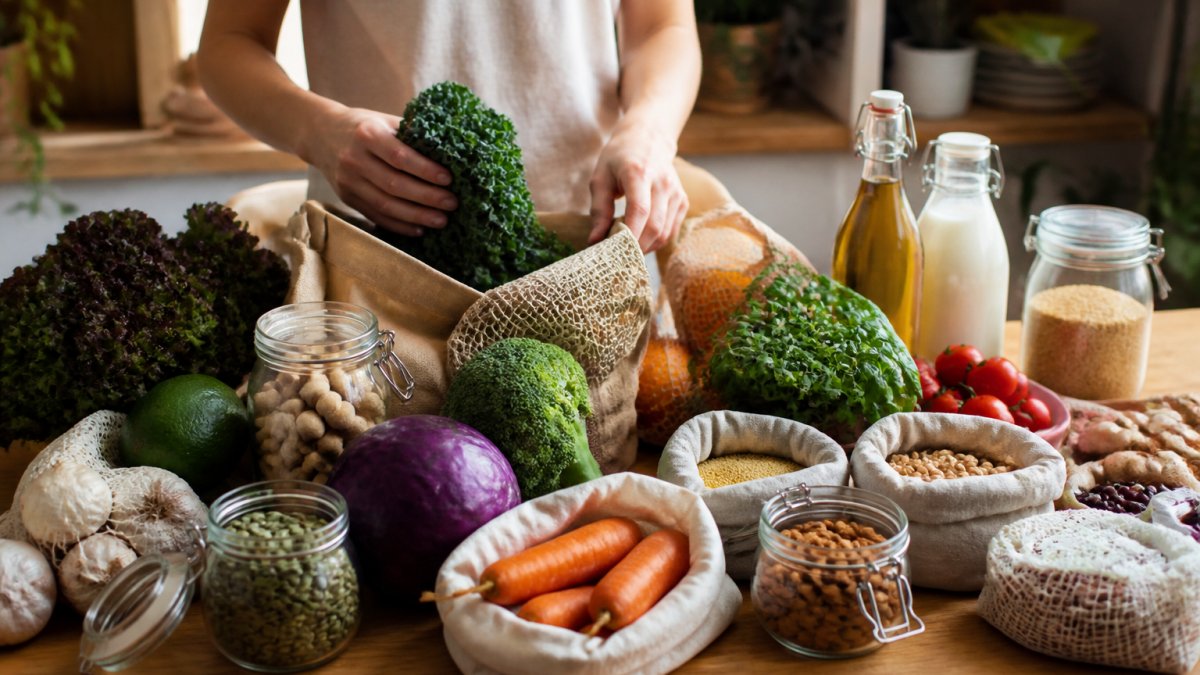
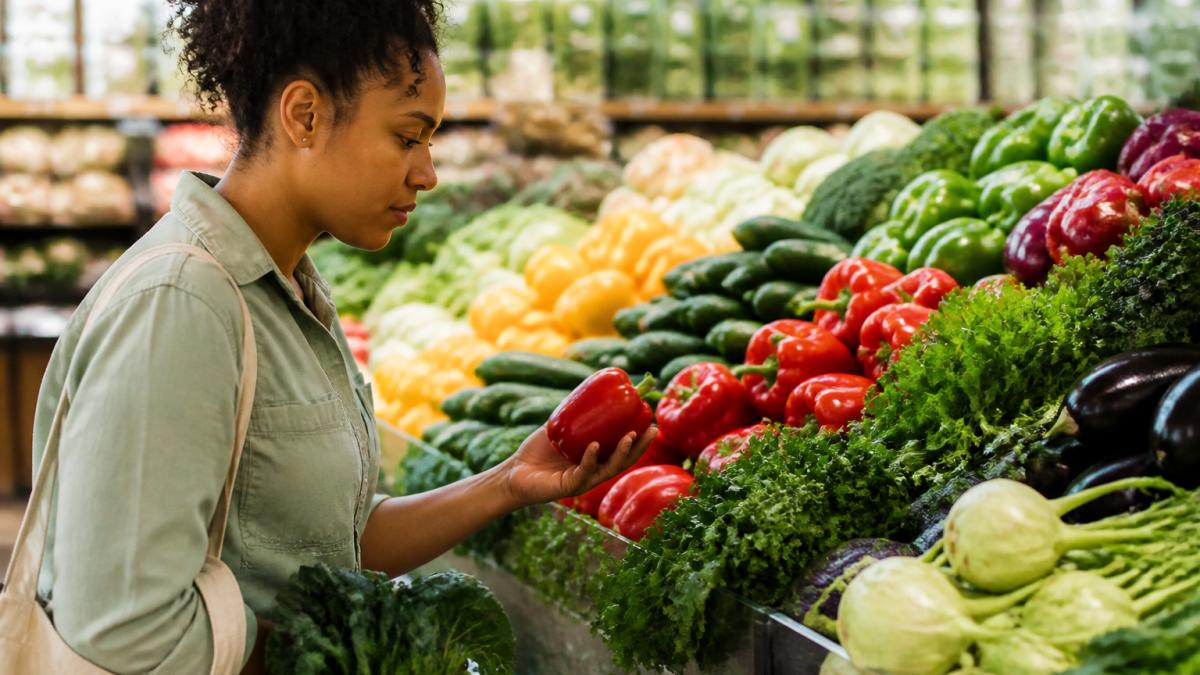
Choose seasonal produce with bright colors and firm texture. Buy a variety of colors, red tomatoes, orange carrots, green spinach, and purple cabbage offer different nutrients. Focus on organic for produce you eat whole (berries, apples, leafy greens); conventional is fine for produce you peel (bananas, avocados, squash).
Choose Lean Proteins and Minimally Processed Options
Buy chicken breast, ground turkey, and fish, affordable proteins lower in saturated fat. Eggs are one of the cheapest, most nutritious proteins available. Choose plain Greek yogurt and cottage cheese for dairy protein. Read meat labels and choose options with no added nitrates or preservatives when possible.
Avoid Common Shopping Mistakes That Waste Time and Money
Small mistakes compound. A few impulse buys here, forgetting ingredients there, and your shopping becomes inefficient and expensive.
Never Shop Hungry or Without a List
Shopping hungry leads to impulse purchases and overspending. Eat a meal or snack before you shop and give yourself time to shop calmly. A list keeps you accountable and prevents wandering into aisles selling tempting foods.
Read Labels for Added Sugars, Sodium, and Fiber Content
Don’t assume packaged foods labeled “healthy” are actually healthy. Read the nutrition label and check added sugars, sodium, and fiber. Added sugars hide in yogurt, granola, pasta sauce, and bread, look for less than 5 grams per serving. Choose low-sodium versions of canned soups and sauces. Select whole grain breads and cereals with at least 3 grams of fiber per serving.
Flip the package over and read the back label, not the front. Marketing claims on the front are designed to sell. The nutrition facts panel tells the truth.
Simplify Your Shopping With Digital Tools and Reusable Systems
Technology can make healthy grocery shopping easier if you use it right. The goal is to save time, not add complexity.
Use Apps or Spreadsheets for Meal Planning and Lists
Many apps exist for meal planning and grocery lists. Find one that feels simple to you. Paprika, Mealime, and Bring are popular options. Or use a simple Google Sheet or Notes app.
The tool matters less than consistency. Pick one system and stick with it. Every week, you fill in the same template. Over time, this becomes automatic.
Share your list with household members if you live with others. Everyone can add items they need. No one forgets ingredients.
Apply Healthy Shopping Habits to Online Grocery Carts
Online grocery shopping saves time, but the same impulse-buying and label-reading mistakes happen online, sometimes faster, because you’re not walking the store and thinking through each choice.
Use your list strictly. Add items in the order they appear on your list and avoid “deals” or “recommended” sections, these encourage impulse purchases. Read labels before adding items. Most grocery apps show nutrition facts; compare options and choose lower added sugar, sodium, or higher fiber. Compare unit prices online just as you would in-store. Set a cart total limit before checkout to prevent overspending. Reorder the same items each week by saving your cart; adjust quantities or swap items based on sales. This cuts shopping time from 20 minutes to 5 minutes. Watch for sales and substitutions the app suggests. Avoid delivery fees by using free pickup when available, or shop less frequently but buy more per trip to spread fees across more items.
Treat your online cart like your physical shopping trip: stick to your list, read labels, compare prices, and set a budget. The convenience of online shopping is real, but so is the risk of spending more on items you didn’t plan to buy.
Frequently Asked Questions
How do I make a simple healthy grocery list that I can reuse each week?
Start by choosing 3-4 simple recipes for your week, then list the ingredients you need by store section: produce, proteins, whole grains, and pantry staples. Use a digital template or spreadsheet so you can adjust quantities and reuse it week after week. This approach saves time and reduces food waste because you’re buying only what you plan to use.
What are the best healthy pantry staples to keep on hand?
Stock whole grains like brown rice and oats, legumes such as lentils and beans, natural oils, herbs, and nuts. These nutrient-dense staples form the foundation of balanced meals and reduce your need to buy fresh items every week. Include minimally processed options that align with your dietary preferences, whether plant-based, ancient grains, or other whole foods.
How can I eat healthy on a tight grocery budget?
Focus on seasonal produce, compare unit prices, and buy whole foods in bulk rather than prepared items. Choose frozen vegetables and canned legumes, which are just as nutritious as fresh but often cheaper. Plan meals around sales and what’s in season, and avoid impulse purchases by shopping with a list and never shopping hungry.
How often should I grocery shop to keep it simple?
Shopping once or twice a week works best for most households. This rhythm reduces the number of shopping trips while keeping fresh produce and ingredients at their peak. Plan your meal prep and leftovers to stretch ingredients across multiple days, which also cuts down on food waste and saves time during the week.