Table of Contents
- What Makes a Food a Superfood?
- Top Superfoods for Daily Nutrition
- How to Incorporate Superfoods into Daily Meals
- Superfood Powders vs Whole Foods: Which Is Better?
- Simple Superfood Recipes for Busy Households
- Budget-Friendly Superfood Shopping and Meal Prep
- Superfood Contraindications and Evidence-Based Debunking
- Frequently Asked Questions
Last Updated: September 30, 2026
What Makes a Food a Superfood?
A superfood packs an unusually high amount of nutrients per calorie, vitamins, minerals, fiber, and plant compounds that support health. The term is a marketing label, not a scientific category, so it helps to know what earns a food that name.
Most foods called superfoods share a few traits:
- High levels of vitamins, minerals, or antioxidants
- Fiber, healthy fats, or plant protein
- Little to no processing
The “superfood” label sells products, but nutrition comes from your overall diet. Build meals around whole foods first, then add extras.
Top Superfoods for Daily Nutrition
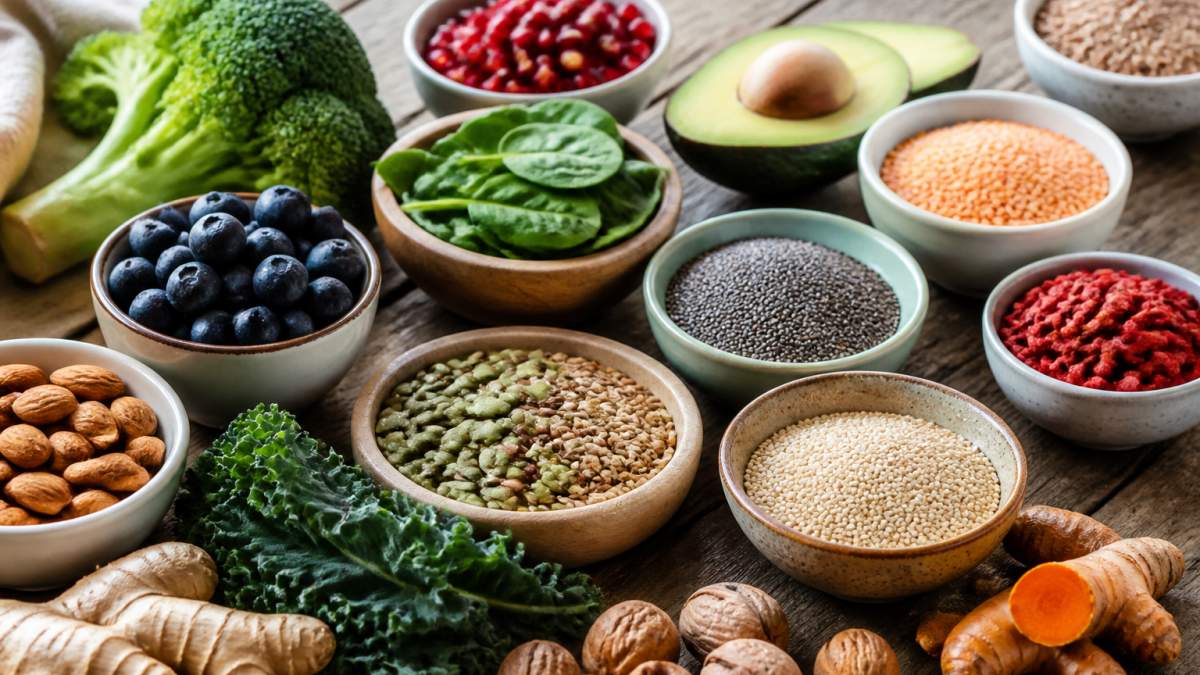
The best superfoods for daily nutrition are the ones you will actually eat often: affordable, easy-to-find foods you can work into normal meals, not rare imports or pricey powders. Below are the standouts, grouped by what they do best, each earning its place through real nutrient content rather than hype.
Berries: Antioxidant Powerhouses
Berries deliver antioxidant phytonutrients, vitamin C, and fiber. Blueberries, strawberries, raspberries, and blackberries all qualify, and frozen works as well as fresh. One cup of blueberries provides about 4 grams of fiber and 24% of your daily vitamin C for only 84 calories.
Leafy Greens: Nutrient-Dense Staples
Leafy greens are among the most nutrient-dense foods you can buy. Spinach, kale, collards, and Swiss chard bring folate, iron, magnesium, and B vitamins; one cup of cooked spinach offers over 100% of your daily vitamin K and about 20% of your folate.
Fatty Fish and Healthy Fats
Fatty fish like salmon, sardines, and mackerel are top sources of omega-3 fatty acids, which support heart health, brain function, and lower inflammation. A 3-ounce serving of wild salmon provides about 1.5 grams of omega-3s; sardines offer over 1 gram.
Ancient Grains and Plant-Based Proteins
Quinoa, farro, and amaranth are ancient grains with more protein and fiber than white rice, while lentils, chickpeas, and black beans add filling protein and iron at low cost. One cup of cooked quinoa provides 8 grams of protein and 5 grams of fiber; a cup of lentils offers 18 grams of protein and 16 grams of fiber.
Nuts and Seeds: Small but Mighty
Nuts and seeds are often overlooked but pack a punch. Almonds, walnuts, pumpkin seeds, and sunflower seeds provide healthy fats, protein, fiber, and minerals like magnesium and zinc. One ounce of almonds (about 23 nuts) delivers 6 grams of protein, 3.5 grams of fiber, and 37% of your daily vitamin E.
Fermented Foods: Gut Health Allies
Fermented foods like yogurt, kefir, sauerkraut, kimchi, and miso are rich in probiotics, which support a healthy gut microbiome linked to better digestion, immunity, and even mood. One cup of plain yogurt provides billions of live cultures, plus calcium and protein.
Cruciferous Vegetables: Beyond Greens
Broccoli, cauliflower, Brussels sprouts, and cabbage are cruciferous vegetables rich in sulforaphane, a compound studied for anti-cancer properties, plus vitamin C, vitamin K, and fiber. One cup of cooked broccoli offers over 100% of your daily vitamin C.
| Superfood | Key Nutrients | Easy Daily Use |
|---|---|---|
| Berries | Antioxidants, vitamin C, fiber | Add to oatmeal or yogurt |
| Leafy greens | Folate, iron, magnesium, vitamin K | Wilt into eggs or soups |
| Fatty fish | Omega-3 fatty acids | Roast or grill twice weekly |
| Ancient grains | Protein, fiber, B vitamins | Swap for white rice |
| Legumes | Protein, iron, potassium, fiber | Stir into salads or stews |
| Nuts and seeds | Healthy fats, protein, magnesium | Snack on a small handful |
| Fermented foods | Probiotics, calcium, protein | Enjoy yogurt or sauerkraut daily |
| Cruciferous veggies | Sulforaphane, vitamin C, vitamin K | Roast or steam as a side |
No single food covers all your nutritional needs. Rotate these categories throughout the week to cover your bases without boredom or budget strain.
How to Incorporate Superfoods into Daily Meals
Incorporating superfoods works best when you fold them into food you already eat rather than treating them as a separate task.
Try these low-effort swaps:
- Blend spinach into a morning smoothie
- Top toast with mashed avocado and seeds
- Stir lentils into pasta sauce
- Add frozen berries to plain yogurt
- Sprinkle flaxseed over cereal or salad
Prep once, eat all week. Wash and chop greens, cook a batch of grains, and portion berries into containers on Sunday. When healthy food is ready to grab, you actually eat it.
Superfood Powders vs Whole Foods: Which Is Better?
Whole foods beat superfood powders for most people, most of the time. Powders can help in a pinch, but they rarely match the full nutrient package of the real thing.
That said, powders have a place:
- Traveling when fresh food is hard to find
- Adding greens to a busy morning smoothie
- Filling a specific gap, like a fiber boost
Simple Superfood Recipes for Busy Households
Here are three that fit a busy week:
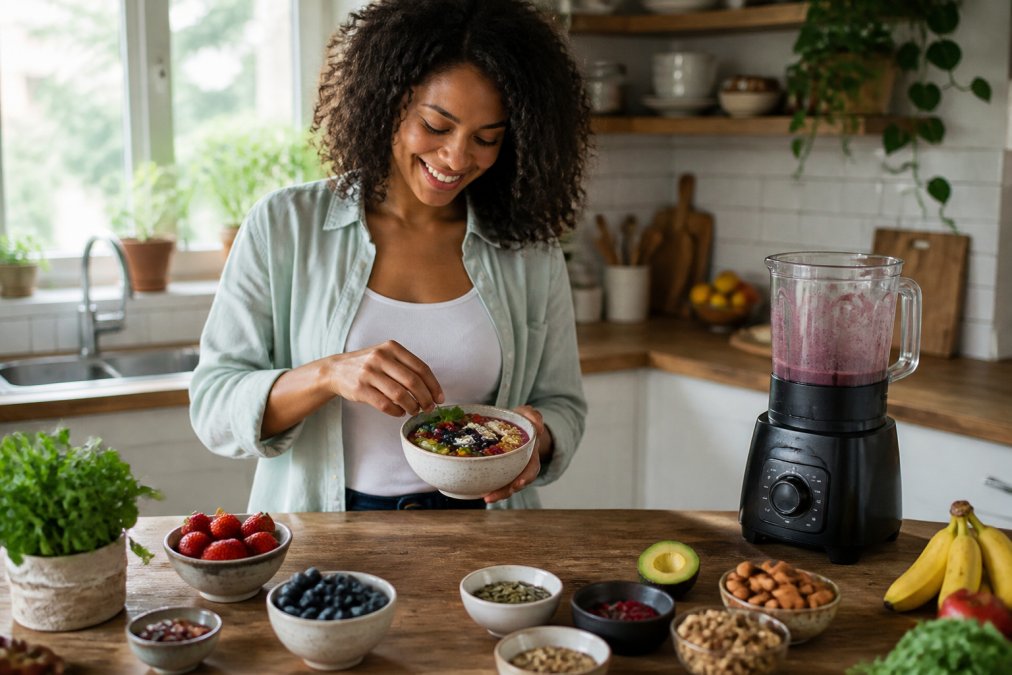
1. Berry Oat Bowl
Cook rolled oats, top with frozen berries, a spoon of ground flax, and a drizzle of honey. Done in five minutes.
Budget-Friendly Superfood Shopping and Meal Prep
You do not need a big budget to eat well, some of the cheapest foods are also the most nutrient-dense.
Smart shopping habits:
- Buy frozen berries and greens, which cost less and last longer
- Choose dried beans and lentils over canned
- Buy oats, rice, and quinoa in bulk
- Shop seasonal produce for the best value
- Skip pricey powders unless they fill a real gap
Do not buy a large bag of a new “superfood” before you have tried it. If you dislike the taste, it sits in the pantry and wastes money. Buy small first.
Superfood Contraindications and Evidence-Based Debunking
Superfoods are foods, not medicine, and some come with real cautions. Knowing the limits keeps you safe and saves money. This section covers common contraindications and debunks persistent myths.
Who Should Be Cautious?
- Leafy greens and blood thinners. Greens are rich in vitamin K, which can interact with blood-thinning drugs like warfarin. If you take these medications, keep your vitamin K intake consistent and talk to your doctor before making big changes.
- Fatty fish and mercury. Some large fish (shark, swordfish, king mackerel) carry more mercury. Choose smaller options like sardines, salmon, and light tuna more often. Pregnant women and children should follow FDA guidelines on mercury.
- Fiber overload. Adding too much fiber too fast can cause bloating, gas, and cramps. Increase slowly over weeks and drink plenty of water. If you have IBS or other digestive conditions, introduce high-fiber superfoods cautiously.
- Goitrogens in cruciferous vegetables. Raw Brussels sprouts, broccoli, and cabbage contain goitrogens, which can interfere with thyroid function if eaten in very large amounts. Cooking reduces these compounds. If you have hypothyroidism, moderate your intake and cook these veggies.
- Oxalates in spinach and beets. These can contribute to kidney stones in susceptible people. If you have a history of kidney stones, limit high-oxalate foods and stay hydrated.
- Powder claims. No powder replaces a balanced diet or treats disease. Some powders may interact with medications or have unlisted ingredients. Always check with your healthcare provider.
Debunking Common Superfood Myths
- Myth: Superfoods are magic bullets. Reality: No single food can prevent or cure disease. The World Health Organization guidance on healthy diets stresses overall diet patterns, not single ingredients. There is no magic berry or seed that undoes poor eating the rest of the day.
- Myth: You need exotic, expensive superfoods. Reality: Everyday foods like oats, beans, and frozen berries often provide similar nutrients at a fraction of the cost. The best superfood is one you will eat regularly.
- Myth: More is better. Reality: Nutrient density does not mean unlimited quantities. Overeating any food can lead to imbalances. For example, too much Brazil nut (selenium) can be toxic.
- Myth: Supplements are as good as whole foods. Reality: Whole foods provide fiber, water, and synergistic compounds that supplements lack. The U.S. Food and Drug Administration guidance on dietary supplements notes that supplements are not reviewed for safety and effectiveness the way drugs are.
- Myth: Superfoods work instantly. Reality: Benefits come from consistent intake over months and years, not a single meal.
A Balanced Approach
The honest take: superfoods help when they replace less nutritious options, but do nothing special piled on top of a poor diet. Use them within a varied, balanced eating pattern, and consult a healthcare professional if you have specific conditions or take medications.
If you take blood thinners, have thyroid issues, kidney stones, or any chronic condition, talk to your doctor or dietitian before making significant changes to your diet, even healthy ones.
Frequently Asked Questions
What are the top 10 superfoods I should eat every day?
While there is no official top 10 list, nutrition experts commonly recommend berries (blueberries, strawberries), leafy greens (kale, spinach), fatty fish (salmon, sardines), nuts and seeds (walnuts, chia), avocado, sweet potatoes, Greek yogurt, quinoa, oats, and legumes. These foods provide antioxidants, fiber, omega-3 fatty acids, vitamin C, and plant-based protein. Rotating them throughout the week supports heart health, digestive health, and immune system function. Aim for variety rather than perfection.
Are superfood powders as effective as whole foods?
Superfood powders can be convenient, but they often lack the fiber, water content, and synergistic phytonutrients found in whole foods. For example, a scoop of berry powder may provide antioxidants but not the satiety or digestive benefits of a cup of fresh berries. Powders can supplement a diet, but they should not replace whole, unprocessed foods. Use them in smoothies or soups when fresh options are unavailable, and prioritize whole foods for daily intake.
How can I integrate superfoods into a holistic pantry?
Start by stocking shelf-stable superfoods like quinoa, oats, chia seeds, flaxseeds, canned sardines, and frozen berries. Add superfood powders such as spirulina or moringa for smoothies. Include ancient grains like farro or millet alongside brown rice. For holistic wellness, pair these with herbal teas or essential oils for flavor. Build meals around a base (grain), a protein (legume or fish), and a colorful vegetable or fruit. This approach makes daily nutrition accessible and budget-friendly.
What are the most nutrient-dense superfoods for daily energy?
For sustained energy, focus on foods rich in iron, B vitamins, magnesium, and complex carbohydrates. Examples include quinoa, sweet potatoes, spinach, lentils, and pumpkin seeds. These provide steady fuel without the crash of refined sugars. Pair them with healthy fats like avocado or olive oil to slow digestion and support metabolic health. Including a source of protein at each meal, such as Greek yogurt or beans, also helps maintain energy levels and satiety throughout the day.