Table of Contents
- Why Organic Pantry Staples Matter for Your Kitchen
- Websites Similar to iHerb for Organic Groceries
- Organic Pantry Staples Online: What to Stock and Where
- How to Buy Organic Grains and Seeds in Bulk
- How to Choose Organic Pantry Staples: Certification and Quality
- Comparing Retailers: Pricing, Shipping, and Availability
- Building Your Organic Pantry: A Practical Staple List
- Frequently Asked Questions
Last Updated: October 12, 2026
Why Organic Pantry Staples Matter for Your Kitchen
Building a healthy pantry starts with understanding what truly belongs in it. Organic pantry staples form the foundation of nutritious home cooking, they’re the grains, spices, seeds, and superfoods that show up in meal after meal.
The difference between a pantry filled with conventional products and one built on organic pantry staples is more than just a label. Organic ingredients are grown without synthetic pesticides and fertilizers, which means fewer chemical residues in your food (Organic production and products). For home cooks focused on preventative health, this matters. You’re not just cooking, you’re investing in your family’s long-term wellness.
Many households discover that once they start sourcing quality organic pantry staples, they naturally cook more at home. The ingredients feel worth using. A jar of organic spices from a trusted retailer encourages you to actually season your food properly instead of reaching for processed convenience items. That shift alone changes what you’re eating.
At Allstarhealth, we help health-conscious adults build pantries that align with their wellness goals. We understand the frustration of searching for reliable sources for organic grains, herbs, and superfoods, especially when you want both quality and reasonable pricing.
Websites Similar to iHerb for Organic Groceries
If you’ve been shopping at iHerb but want to explore other options for organic pantry staples, several retailers now offer comparable selections with different strengths. The key is finding the retailer that matches your priorities, whether that’s price, selection, delivery speed, or specialty items like ancient grains or herbal remedies.
The online organic grocery landscape has expanded significantly. You’re no longer limited to a single platform. Many retailers now specialize in organic pantry staples, offering everything from rice and oats to herbs and seeds. Some emphasize direct-from-producer relationships.
When evaluating websites similar to iHerb, consider what matters most to you. Are you buying in bulk to save money? Do you need rare ingredients that mainstream grocers don’t carry? Are you looking for products with specific certifications or sourcing practices? Your answer shapes which retailer makes the most sense.
The best organic pantry staples retailers combine several qualities: transparent sourcing information, competitive pricing for bulk orders, reliable shipping, and genuine organic certification. Not every site excels at all of these. Some prioritize selection over price. Others focus on the lowest cost but have limited inventory. Finding your match requires understanding what each retailer does best.
Organic Pantry Staples Online: What to Stock and Where
Grains, Rice, and Pasta
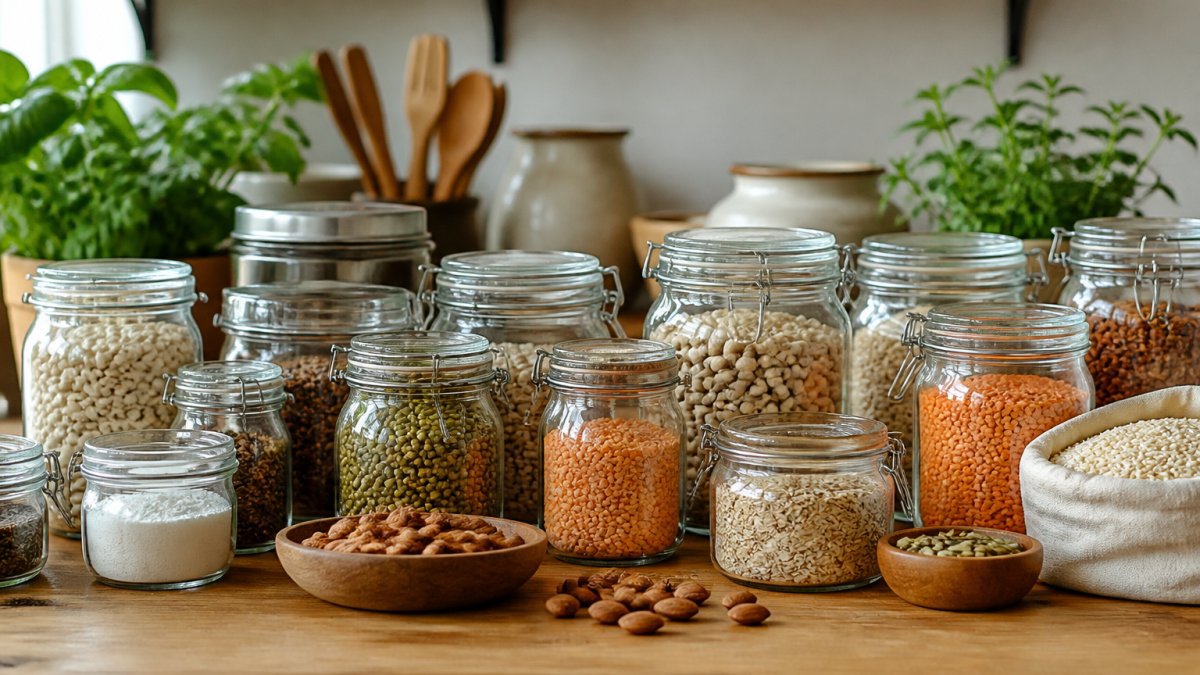
Grains form the backbone of any healthy pantry. Organic rice, oats, quinoa, and ancient grains like spelt and einkorn are staples worth investing in. These are the ingredients you reach for multiple times per week, so sourcing them from reliable retailers makes practical sense.
When buying organic grains online, freshness matters more than you might think. Grains absorb moisture and can develop off-flavors if stored improperly. Retailers who move inventory quickly and use proper packaging deliver fresher products. Look for retailers that specify harvest dates or packaging dates when possible.
Organic pasta deserves special attention. Many conventional pastas are made from wheat treated with glyphosate-based herbicides shortly before harvest. Organic pasta eliminates that concern. Whole-grain organic pasta options (like spelt, einkorn, or chickpea-based varieties) offer additional nutritional benefits over refined white pasta. Online retailers often stock specialty pasta options you won’t find in local stores.
Bulk buying makes sense for grains and pasta. A 5-pound or 10-pound bag of organic rice costs significantly less per pound than smaller packages. If you cook regularly, buying in bulk and storing grains in food-grade containers keeps your pantry stocked and your costs down.
Herbs, Spices, and Seasonings
Dried herbs and spices represent one of the best reasons to shop online for organic pantry staples. Your local grocery store likely carries a limited selection, and the quality often suffers from long shelf storage. Online retailers specializing in organic herbs and spices offer fresher products with more variety.
Organic spices and seasonings are worth the premium price because conventional spices are among the most heavily treated crops. Buying organic ensures you’re getting pure spice without pesticide residues. Additionally, many online retailers source directly from producers.
The difference between stale, year-old spices and fresh organic herbs is dramatic when you actually use them in cooking. Fresh organic cinnamon smells like cinnamon. Fresh organic oregano tastes like oregano. Stale conventional spices often taste like nothing.
Build your spice collection strategically. Start with the herbs and spices you use most frequently, then expand based on recipes you want to try. Many people following ancient or biblical recipes need specific herbs, like hyssop, marjoram, or sumac, that online retailers specializing in organic pantry staples are more likely to stock.
Seeds, Nuts, and Superfoods
Seeds and nuts are nutritional powerhouses that deserve prominent shelf space. Organic pumpkin seeds, sunflower seeds, sesame seeds, and hemp seeds are staples worth keeping on hand. They add nutrition to breakfasts, salads, and snacks.
Nuts, whether raw almonds, walnuts, cashews, or pecans, are another category where online shopping shines. Buying organic nuts in bulk from retailers who specialize in organic pantry staples ensures you get fresher products at better prices than grocery store bulk bins.
Superfoods like chia seeds, flax seeds, goji berries, and nutritional yeast are easier to source online than in most brick-and-mortar stores. These ingredients support specific dietary practices and wellness goals. Online retailers make it simple to experiment with new superfoods without committing to large quantities.
How to Buy Organic Grains and Seeds in Bulk
Buying organic grains and seeds in bulk is one of the smartest moves a home cook can make. Bulk purchasing reduces packaging waste, lowers your per-unit cost, and ensures you always have key ingredients on hand. The challenge is knowing where to buy and how to store what you purchase.
Most online retailers offering organic pantry staples have dedicated bulk sections. You can order 5-pound, 10-pound, or even 25-pound quantities of grains, seeds, and legumes. Start with smaller quantities if you’re new to a retailer, then scale up as you confirm quality and freshness.
Storage is crucial when buying in bulk. Food-grade plastic containers with airtight seals work well for grains, seeds, and dried goods. Label each container with the product name and purchase date. Store in a cool, dark place, a pantry or kitchen cabinet is ideal.
Many retailers offer better pricing for bulk orders. Some have minimum order amounts that trigger discounts. Others offer loyalty programs or subscription options for regular staple purchases. Understanding each retailer’s bulk pricing structure helps you maximize savings.
How to Choose Organic Pantry Staples: Certification and Quality
Not every product labeled “organic” meets the same standards. Understanding certification matters when you’re building a pantry you trust. Certified organic products have been verified by third-party organizations to meet specific standards for growing practices, pesticide use, and handling.
Look for certification labels from recognized bodies. In the United States, USDA Organic certification is the standard. In other countries, look for equivalent certifications. The presence of a certification label tells you that the product has been independently verified, not just claimed by the seller.
Beyond certification, consider the retailer’s sourcing practices. Do they work directly with producers? Do they provide information about where products come from? Transparency builds trust. Retailers who can tell you which farm grew your rice or which region produced your spices demonstrate genuine commitment to quality.
Read ingredient lists carefully, even on organic products. Some organic items contain additives or processing aids that you might prefer to avoid. Many health-conscious shoppers follow the principle of buying ingredients in their simplest form, organic rice is just rice, organic oats are just oats. Avoid products with unnecessary additives.
Comparing Retailers: Pricing, Shipping, and Availability
Different retailers excel at different things. Some offer the lowest prices. Others provide faster shipping. Still others stock rare ingredients or focus on specific dietary practices. Understanding what each retailer does best helps you choose the right fit.
| Retailer Focus | Best For | Key Consideration |
|---|---|---|
| Bulk pricing | Large families, meal preppers | Larger minimum orders |
| Specialty ingredients | Ancient recipes, rare herbs | Higher per-unit costs |
| Fast shipping | Urgent restocking needs | Premium delivery fees |
| Direct producer | Freshness, sustainability | Limited product range |
| Community sourcing | Supporting local producers | Variable availability |
Shipping costs matter, especially for heavy items like grains. Some retailers offer free shipping above certain order minimums. Others charge flat rates. Calculate the true cost of your purchase, including shipping, to compare fairly across retailers.
Availability varies by location and season. Some retailers ship internationally, while others focus on specific regions. Check each retailer’s shipping policy before committing to an order.
Delivery timeframes differ significantly. Some retailers prioritize speed and ship within 1-2 business days. Others take 5-7 business days. If you need ingredients for a specific meal or event, confirm delivery timing before ordering.
Building Your Organic Pantry: A Practical Staple List
A well-stocked organic pantry doesn’t require hundreds of items. Start with the essentials and expand based on your cooking style and dietary preferences. This practical list covers the foundation most home cooks need.
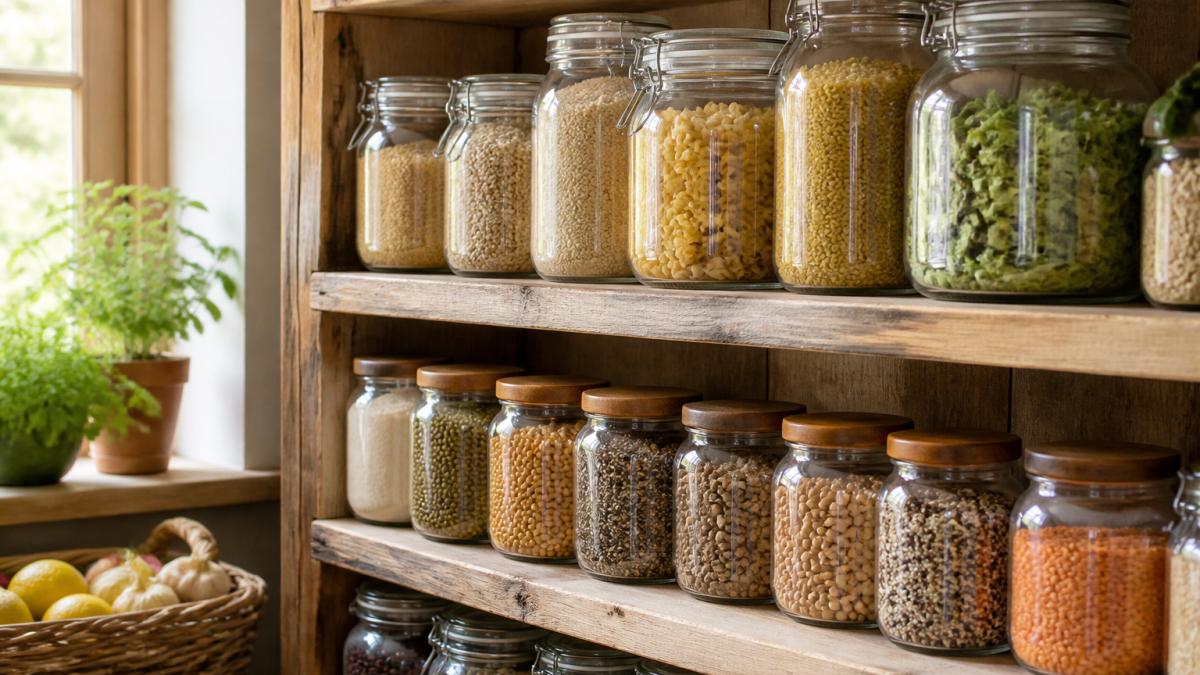
Grains and Starches:
- Organic brown rice (bulk)
- Organic oats (rolled or steel-cut)
- Organic quinoa
- Organic pasta (whole grain or chickpea-based)
- Organic white rice (for specific recipes)
Legumes:
- Organic lentils (brown, green, red)
- Organic chickpeas (dried or canned)
- Organic black beans
- Organic split peas
Herbs and Spices:
- Organic garlic powder
- Organic oregano
- Organic basil
- Organic turmeric
- Organic cinnamon
- Organic cumin
- Organic sea salt
Seeds and Nuts:
- Organic pumpkin seeds
- Organic sunflower seeds
- Organic flax seeds
- Organic almonds
- Organic walnuts
Superfoods and Specialty Items:
- Organic chia seeds
- Organic goji berries
- Organic nutritional yeast
- Organic coconut oil
- Organic honey (if following biblical practices)
Start with items you actually cook with. Buying ingredients you don’t use wastes money and shelf space. As you settle into your routine, add specialty items based on recipes you want to try or dietary practices you follow.
At Allstarhealth, we help customers build pantries that reflect their wellness priorities and cooking style. Whether you’re interested in ancient recipes, biblical food practices, or simply want a cleaner, more nutritious pantry, having reliable sources for organic pantry staples makes the entire process easier.
Building a pantry filled with organic pantry staples takes intentional sourcing, but the payoff is substantial. You’ll cook more, eat better, and feel confident about what’s in your food. Allstarhealth offers a curated selection of natural and organic food products alongside guidance on building a nutritious, natural food supply.
Frequently Asked Questions
What are some websites similar to iHerb for buying organic pantry staples?
Several platforms offer organic pantry staples online with shipping to multiple countries. Some specialize in organic herbs and spices, others provide bulk organic grains and ingredients, and Allstarhealth offers a curated selection of natural and organic pantry essentials with a focus on biblical and ancient recipes. Each retailer differs in product range, certification standards, and shipping costs, so comparing your specific needs against their inventory and delivery options helps you find the best fit.
How can I tell if an online organic pantry product is certified organic?
Look for third-party certification labels on product pages, such as USDA Organic, EU Organic, or other recognized certifications depending on your region. Reputable retailers display these certifications clearly and provide ingredient verification details. Check the product description for the certifying body and the certification number. If certification information is missing or vague, contact the retailer directly. Allstarhealth and similar platforms committed to organic quality will make this information transparent and easy to find.
Is it cheaper to buy organic pantry staples in bulk?
Bulk purchasing typically reduces per-unit costs for organic grains, seeds, and dried herbs, but savings depend on quantity, storage capacity, and product shelf life. Buying larger quantities upfront means lower prices per kilogram, but factor in storage space and whether you’ll use items before they lose freshness. Many online retailers offer bulk discounts at specific thresholds. Compare total order costs including shipping minimums and delivery fees across retailers, as these significantly affect final savings.
What are the best organic pantry staples to buy online?
Essential organic pantry staples include grains (rice, oats, quinoa), pasta, seeds (flax, chia, sunflower), dried herbs and spices, legumes, nuts, and superfoods. Online retailers offer better selection and certification transparency for these items than many local stores. Prioritize items you use regularly and those harder to find locally. Start with staples you consume quickly to ensure freshness, then expand to specialty ingredients for ancient or biblical recipes if that aligns with your dietary practices.