Last Updated: October 29, 2026
Quick Summary
Ancient biblical recipes use staples such as olive oil, honey, lentils, barley, figs and fish, all mentioned in Scripture and still common in modern kitchens. This guide shows how to cook seven biblical recipes with whole, minimally processed ingredients, with the scripture behind each one. Each recipe is adapted for a modern kitchen.
- Core biblical pantry staples include olive oil, honey, lentils, barley, figs and fish.
- Most biblical foods are whole and minimally processed, such as grains, pulses, fruit, oil and fish.
- Lamb was reserved for feasts and sacred occasions, not everyday meals.
- Raw honey should not be given to infants under one year old because of infant botulism risk.
- Barley, wheat and einkorn can be swapped for quinoa, brown rice or certified gluten-free flours.
Table of Contents
- What Are Ancient Biblical Recipes and Why Do They Matter Today?
- Foods of the Bible with References and What They Tell Us
- Health Benefits of Traditional Biblical Foods
- Biblical Diet Recipes Adapted for Modern Kitchens
- Adapting Biblical Recipes for Gluten-Free, Dairy-Free, and Weight-Loss Diets
- A Biblical Meal Plan for a Week, with Shopping List and Prep Schedule
- Plan Your First Biblical Meal This Week
- Frequently Asked Questions
Ancient biblical recipes for modern diets are more than a novelty. Olive oil, honey, lentils, barley, figs and fish appear again and again in Scripture, and they remain staples in many kitchens today. At Allstarhealth, we have put together this guide to show how those staples can fit into a modern meal plan, with the scripture behind each one and practical ways to cook them. As the Proverbs put it, “Gracious words are a honeycomb, sweet to the soul and healing to the bones” (Proverbs 16:24).
What Are Ancient Biblical Recipes and Why Do They Matter Today?
Ancient biblical recipes are simple dishes built from the foods the scriptures mention: grains, pulses, olive oil, fruit, fish and lamb. Most were prepared with minimal processing, which is why they map so well onto whole-food eating patterns today.
Their appeal is practical as well as spiritual. A biblical diet focuses on whole ingredients. You do not need to recreate ancient kitchens to cook from the same basic pantry. You only need to cook from the same basic pantry.
Foods of the Bible with References and What They Tell Us
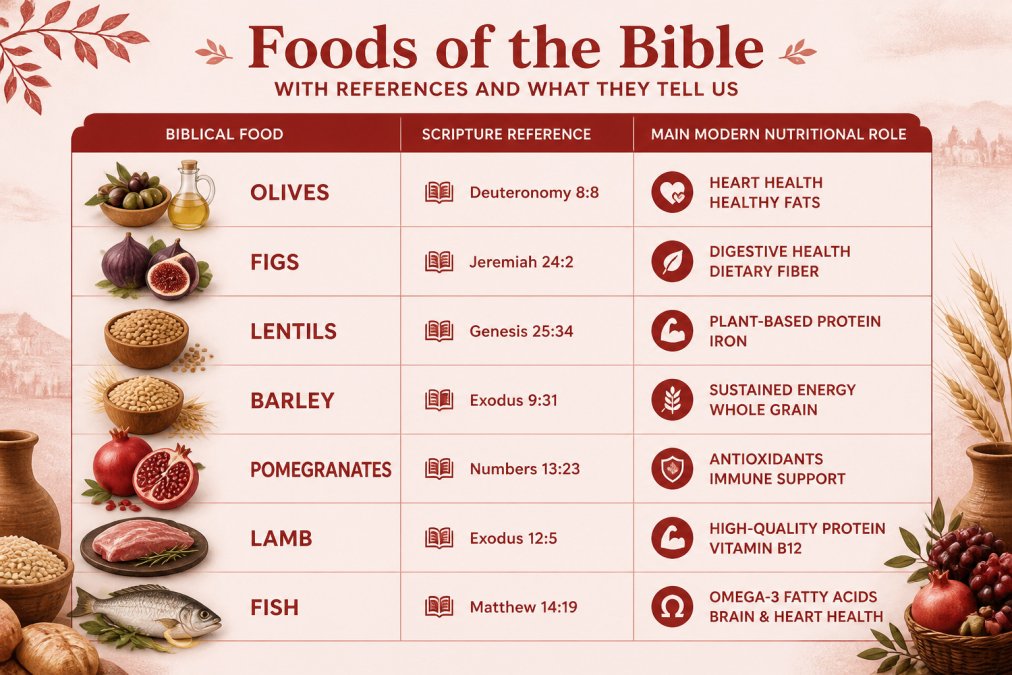
Scripture mentions dozens of foods, but a smaller group recurs often enough to form the backbone of a biblical pantry. The table below pairs each staple with a representative passage and a note on how it was used, so you can connect the ingredient on your counter to its context in the text.
| Food | Representative passage | Historical context |
|---|---|---|
| Olives and olive oil | Deuteronomy 8:8; Psalm 23:5 | A sign of blessing and abundance; oil was used for cooking, lamp fuel, anointing, and trade. |
| Honey | Proverbs 16:24; 1 Samuel 14:27 | Wild honey was gathered rather than farmed; a rare sweetener used sparingly. |
| Barley | Ruth 2:17; John 6:9 | A cheap, hardy grain for bread and porridge; the barley loaves in the feeding of the five thousand reflect ordinary food. |
| Wheat | Deuteronomy 8:8; Matthew 13:33 | The preferred grain for bread; fine wheat flour marked special occasions. |
| Lentils | Genesis 25:34; 2 Samuel 23:11 | A staple pulse used in stews; the “mess of pottage” Esau traded his birthright for was likely a lentil dish. |
| Figs | 1 Kings 4:25; Isaiah 38:21 | Eaten fresh or pressed into cakes for travel and storage. |
| Pomegranates | Deuteronomy 8:8; Song of Solomon 4:3 | A fruit of the promised land, valued for juice and seeds. |
| Grapes and raisins | Numbers 13:23; 1 Samuel 25:18 | Grapes were dried into raisins and pressed for wine; raisins were a portable energy food. |
| Fish | Matthew 4:19; Luke 24:42 | A daily protein around the Sea of Galilee; often salted or dried for keeping. |
| Lamb | Exodus 12:3-8; Luke 15:23 | Reserved for feasts and sacred occasions such as Passover; not an everyday meat. |
Two patterns stand out. First, most biblical foods are whole and minimally processed, grains, pulses, fruit, oil, and fish, because processing was labor-intensive. Second, animal foods such as lamb and fish appear less often than plant foods, which is worth remembering when you build a modern plate.
When you read a passage about food, note whether it describes everyday provision (barley, lentils, fish) or a feast and blessing (wheat, honey, lamb). That distinction helps you interpret the text and plan meals that reflect it.
Health Benefits of Traditional Biblical Foods
Traditional biblical foods share a few qualities that modern nutrition research reflects. For a closer look at one of them, the science behind pomegranate juice covers its antioxidants and how it fits a balanced diet. They are minimally processed, rich in fiber and unsaturated fats, and centered on whole plant foods alongside modest amounts of animal protein. Below are the main benefits, with the mechanism behind each and a note on how much evidence supports it.
Olive Oil, Honey, and Fats
Extra virgin olive oil is the most consistently praised biblical fat. Raw honey, used sparingly, adds sweetness, but it is still sugar, so treat it as a seasoning rather than a free food.
Grains, Legumes, and Fiber
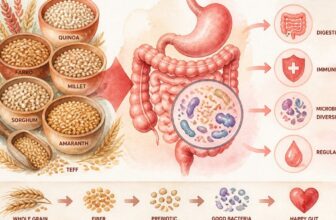
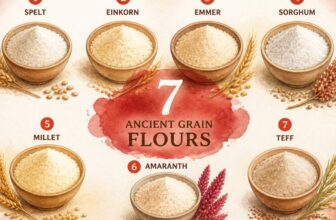
Barley, lentils, and whole wheat are whole grains and pulses that contribute fiber and plant protein to a varied diet. Einkorn, one of the oldest cultivated wheats, is often discussed in this context; it is not gluten-free, so it is not suitable for celiac disease. For a guide to cooking with it, see [page:3].
Fish and Lamb
Fish and lamb are both sources of protein. Lamb is richer in fat, which is one reason biblical meals often treated it as a feast food rather than a daily staple.
Evidence Caveats
Some popular claims about biblical foods, that honey “heals” or that a biblical diet causes weight loss, go beyond what current research supports. Specific claims should be checked against current research, and we recommend reviewing sources such as the USDA FoodData Central nutrient database before making dietary decisions. People with diabetes should account for honey’s sugar content, and anyone with celiac disease or a wheat allergy should avoid einkorn and barley. For the most recipe-ready options, our [page:1] and [page:2] make it easy to stock the same staples used in the recipes below.
Raw honey should not be given to infants under one year old because of the risk of infant botulism. This is a food-safety rule, not a spiritual one, and it applies regardless of how the honey is used.
Biblical Diet Recipes Adapted for Modern Kitchens
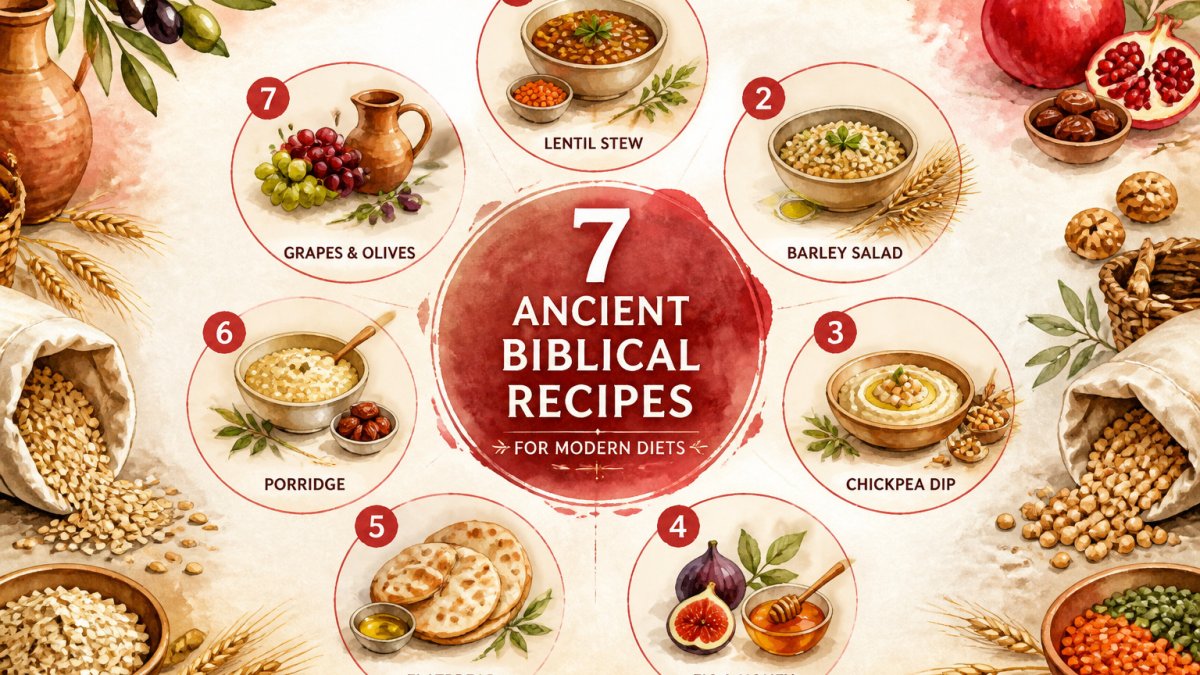
Below are seven recipes that reflect biblical ingredients while using techniques suited to a modern kitchen. Use them as a starting point and adjust portions to your needs.
- Lentil and barley stew. Simmer lentils, barley, onion, garlic and carrot in vegetable broth for 40 minutes. Finish with olive oil and fresh herbs.
- Honey-glazed roasted vegetables. Toss chunks of squash, onion and beet with olive oil, a spoon of raw honey and salt. Roast at a moderate heat until caramelized.
- Pan-seared fish with lemon and olive oil. Cook a firm white fish skin-side down in olive oil until crisp, then finish with lemon and herbs.
- Fig and yogurt breakfast bowl. Top plain Greek yogurt with sliced figs, a drizzle of honey and crushed nuts.
- Herb-roasted lamb with pomegranate. Rub a lamb cut with garlic, rosemary and olive oil, roast, then scatter pomegranate seeds over the top.
- Whole grain flatbread. Mix whole wheat or einkorn flour with water, olive oil and salt. Cook quickly in a dry skillet.
- Chickpea and cucumber salad. Combine chickpeas, cucumber, tomato and parsley with olive oil and lemon.
Adapting Biblical Recipes for Gluten-Free, Dairy-Free, and Weight-Loss Diets
Most of these recipes adapt easily. Swap barley and wheat for quinoa or brown rice in the stew, and use certified gluten-free flour in place of wheat flour in the flatbread. For dairy-free eating, replace yogurt with a plant-based alternative. Individual needs vary, so check with a healthcare professional for medical diets.
A Biblical Meal Plan for a Week, with Shopping List and Prep Schedule
A simple week might cover lentil stew on Monday, fish on Tuesday, lamb on Thursday, and leftovers and salads the rest of the time. Shopping essentials include olive oil, raw honey, lentils, barley, figs, pomegranates, fish, lamb, seasonal vegetables and whole grain flour. Prep the stew and roast vegetables on Sunday, portion the fig bowls for the week, and cook the lamb midweek.
Plan Your First Biblical Meal This Week
Start small. Choose one recipe, such as the lentil and barley stew or the pan-seared fish, and cook it this week. Once it feels familiar, add a second. Over time, the same handful of pantry staples will carry you through a full week of wholesome meals.
Meta description: Discover seven ancient biblical recipes for modern diets, with scripture references, health context, gluten-free and weight-loss adaptations, and a weekly meal plan.
Frequently Asked Questions
What is a biblical diet?
A biblical diet is an eating pattern built around foods mentioned in Scripture, such as olive oil, honey, lentils, barley, figs, fish and lamb. It emphasizes whole, minimally processed ingredients.
Are biblical recipes healthy?
Many of the staples, including legumes, whole grains, olive oil and fish, align with widely recommended whole-food eating patterns. Results depend on overall diet and portion sizes.
Can I follow biblical recipes on a gluten-free diet?
Yes. Replace barley, wheat and einkorn with quinoa, brown rice or certified gluten-free flours.
Is honey safe for everyone?
Raw honey should not be given to infants under one year old. Adults with diabetes should account for its sugar content.
How do I start cooking biblical recipes?
Begin with one or two simple recipes, stock the core pantry staples, and build a weekly routine from there.
Frequently Asked Questions
What foods were commonly eaten in biblical times?
Staple foods in biblical times included barley and wheat bread, lentils and chickpeas, olives and olive oil, figs, grapes, pomegranates, honey, goat milk and cheese, and fish from the Sea of Galilee. Meat was eaten less often and was usually reserved for special occasions. Scripture mentions many of these foods directly, such as the seven species named in Deuteronomy 8:8, which describes wheat, barley, vines, fig trees, pomegranates, olive oil, and honey. Knowing this helps home cooks build recipes around whole, minimally processed ingredients.
Can biblical foods fit into a modern balanced diet?
Yes. Most traditional biblical staples are whole foods: whole grains, legumes, vegetables, fruit, olive oil, nuts, and fish. These map well onto modern dietary guidance that emphasizes plant foods and unsaturated fats. Foods like goat milk, honey, and lamb are best eaten in moderation, since honey is still a sugar and red meat is best kept occasional. Pairing these ingredients with vegetables and a source of protein at each meal makes a balanced plate, and portion sizes should follow your individual energy needs.
Is there a biblical diet plan for a week?
A weekly plan can be built from the foods the Bible names most often: bread and porridge at breakfast, lentil or fish-based lunches, and olive oil and vegetable dinners with occasional lamb or chicken. The meal plan section of this guide includes a shopping list and a prep schedule so you can batch cook on one or two days. Treat any plan as a framework you adjust to your own health needs, allergies, and budget rather than a strict prescription.
How can I make a modern meal with biblical ingredients?
Start with one anchor ingredient, such as lentils, barley, or chickpeas, then add olive oil, herbs like cumin and coriander, and seasonal vegetables. Cook grains in broth for flavor, roast vegetables with olive oil and salt, and finish with fresh herbs or a squeeze of lemon. Substitutions are easy: use gluten-free oats or quinoa in place of barley, or coconut oil in place of olive oil for a different flavor. Test each change in a small batch first.