
Last Updated: November 8, 2026
Quick Summary
The best organic snacks for a well-stocked pantry cover six shelf-stable categories: nuts and seeds, dried fruit and vegetables, popcorn and crunchy snacks, crackers and whole grains, bars, and protein-rich options like jerky. Buy the organic certification seal rather than front-label words like natural, and store everything cool, dark, and dry in airtight containers.
- A snack is truly organic only when the finished package carries a recognized certifier’s seal.
- Nuts and seeds keep 6 to 12 months unopened and 3 to 4 weeks after opening.
- Organic popcorn kernels popped at home are the cheapest crunchy option by far.
- Label open packages with the date and rotate stock so the oldest gets eaten first.
- Pre-portion nuts into small containers and keep chips on a high shelf for weight loss.
Table of Contents
- Why Stock Your Pantry with Organic Snacks
- What Makes a Snack Truly Organic
- Healthy Pantry Snacks for Adults: Top Picks by Category
- Shelf-Stable Organic Snacks: Storage and Freshness Tips
- Healthy Pantry Snack Shopping List
- Healthy Pantry Snacks for Weight Loss
- Building Your Organic Pantry with Allstarhealth
- Frequently Asked Questions
Why Stock Your Pantry with Organic Snacks
A well-stocked pantry is quiet insurance against a busy week.
At Allstarhealth, we think about pantry food the way previous generations did: as stored provision, chosen with care. “She is like the merchant ships, bringing her food from afar” (Proverbs 31:14).
Stocking organic matters for three practical reasons. Organic packaged snacks are grown and processed under organic standards, which restricts synthetic inputs. A stocked shelf cuts emergency grocery runs and expensive convenience-store stops.
Below, we break down what makes a snack truly organic, the best options by category, how to store them, and how to shop without overspending.
What Makes a Snack Truly Organic
A snack is truly organic when its ingredients are grown and processed under a certified organic program and the finished package carries that certification. The label is the proof, not the front-of-box marketing copy.
Here is what to check, in order:
- The certification seal. Look for a recognized organic certifier’s mark. A front-label word like “natural” or “wholesome” means nothing legally; the seal does.
- The ingredient list. Certification applies to the whole product, so a snack sweetened or flavored with conventional ingredients is not fully organic.
- The “made with organic ingredients” wording. This signals a partial claim, not full certification.
Watch out: “natural” has no fixed legal definition for most snack foods, so it can appear on almost anything. If organic is the standard you want, buy the seal, not the adjective.
Healthy Pantry Snacks for Adults: Top Picks by Category
Healthy pantry snacks for adults come down to six shelf-stable categories: nuts and seeds, dried fruit and vegetables, popcorn and crunchy snacks, crackers and whole grains, bars, and protein-rich options like jerky. Each brings a different mix of protein, fiber, and convenience.
Here is how the categories stack up at a glance:
| Category | Strength | Watch For | Best For |
|---|---|---|---|
| Nuts and seeds | Protein and healthy fats | Portion creep | Quick hunger between meals |
| Dried fruit and veg | Fiber and natural sweetness | Added sugar | Curbing sweet cravings |
| Popcorn and chips | Crunch and volume | Sodium and oil | Movie nights, lunchboxes |
| Crackers and rice cakes | Versatility | Refined flour | Pairing with dips |
| Bars | Portability | Added sugar and syrups | Bags and desks |
| Jerky | High protein | Sodium | Sustained energy |
Nuts and Seeds
Nuts and seeds are the backbone of a shelf-stable organic snack shelf. Almonds, cashews, pistachios, pumpkin seeds, and sunflower seeds keep for months in sealed containers and deliver protein, fiber, and minerals in a small handful.
Buy raw or dry-roasted organic varieties with no added oil or salt, then portion them into small jars so a handful stays a handful. Check that any dried fruit in mixes is not sugar-coated.
Dried Fruit and Vegetables
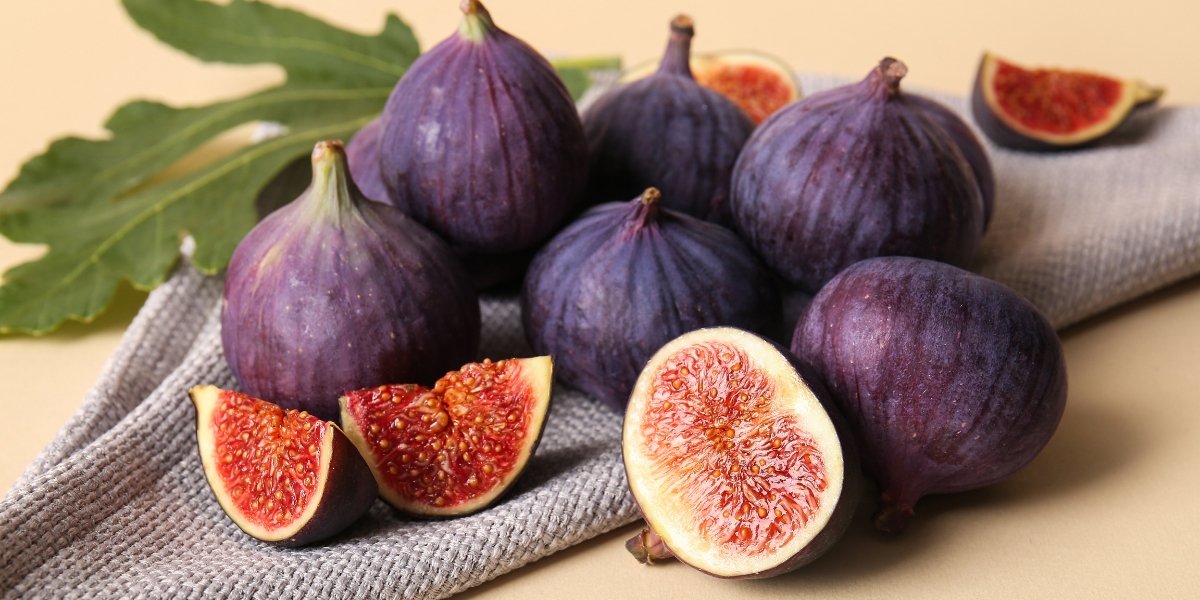
Dried fruit and vegetables fill the sweet and savory gaps nuts cannot. Organic dried figs, apricots, raisins, mango, and beet or kale chips store without refrigeration and add fiber to snack plates.
Read the ingredient list closely here. If you are weighing fresh against dried, our comparison of fresh figs vs. dried figs covers the nutritional differences, natural sugars, and best uses for each.
Popcorn, Chips, and Crunchy Snacks
Crunchy snacks are a common place to compare organic and conventional options, since corn and potatoes are widely grown crops. Organic popcorn kernels popped at home are the cheapest crunchy option by far, and you control the oil and salt.
For packaged choices, organic tortilla chips and puffs work for parties and lunchboxes. Watch serving size: a bag of chips disappears faster than the label expects, so buy single-serve packs if portion control is a struggle.
Crackers, Rice Cakes, and Whole-Grain Snacks
Whole-grain crackers and rice cakes are the quiet workhorses of a pantry snack shelf. They pair with hummus, nut butter, guacamole, or salsa for a satisfying plate in under a minute, and they keep for months unopened.
Look for crackers with whole grains as the first ingredient and minimal added sugar. Brown rice cakes offer more fiber than the puffed white variety.
Protein Bars and Granola Bars
Bars are the most portable snack on this list, which is also their weakness: many are candy bars in disguise. A good organic protein or granola bar lists a recognizable protein source near the top and keeps added sugar modest.
Check fiber and protein together.
Jerky and Other Protein-Rich Snacks
Jerky earns its place because it needs no refrigeration and delivers concentrated protein. Organic options follow organic standards, which differ from those of many mass-market jerky products.
Sodium is the trade-off. If you eat jerky regularly, balance it with fresh food and water through the day. Other protein-rich pantry options include roasted chickpeas and single-serve nut butter packets.
Shelf-Stable Organic Snacks: Storage and Freshness Tips
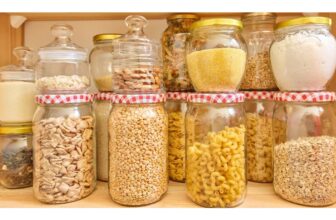
Shelf-stable organic snacks stay fresh longest when you store them cool, dark, and dry, and reseal them properly after opening. Heat, light, and air are the three enemies of pantry snacks, and each category responds differently.
| Snack Category | Unopened Shelf Life | After Opening | Best Storage | Signs of Spoilage |
|---|---|---|---|---|
| Nuts and seeds | 6-12 months | 3-4 weeks | Airtight glass jar, dark cupboard | Rancid or paint-like smell, bitter taste, soft texture |
| Dried fruit | 6-12 months | 1-2 months | Sealed container, dark cupboard; refrigerate after opening | Sticky clumping, off smell, mold at the edges |
| Popcorn kernels | 12-24 months | 6-12 months | Airtight jar away from heat | Stale smell, kernels that pop poorly |
| Packaged chips and puffs | 3-6 months | 3-5 days | Rigid container or tightly clipped bag | Soft, chewy texture, stale oil smell |
| Whole-grain crackers | 6-9 months | 1-2 weeks | Airtight container | Softness, stale smell, visible mold |
| Rice cakes | 6-9 months | 1-2 weeks | Sealed bag or container | Chewy texture, stale smell |
| Bars | 6-12 months | 1-2 weeks | Original wrapper, cool cupboard | Wrapper swelling, off smell, hard or crumbly texture |
| Jerky | 6-12 months | 1-2 weeks | Resealable bag, cool cupboard | Slimy surface, sour smell, white mold |
Unopened Shelf Life
A few category-specific rules make the biggest difference:
- Nuts and seeds turn rancid faster in warmth, so keep them away from the stove and consider the refrigerator for long-term storage of larger bags. Pumpkin and sunflower seeds go rancid even faster than almonds because of their higher oil content.
- Dried fruit should be stored in a sealed container in a dark cupboard; refrigeration extends life once opened and helps prevent mold in humid climates. If dried fruit clumps together and smells fermented, discard it.
- Chips and crackers lose crispness within days of opening, so transfer them to rigid containers or clip the bag tightly.
Watch out: organic snacks without preservatives often spoil faster than conventional versions, so do not assume a long unopened shelf life carries over after opening. When in doubt, trust your senses over the date stamp.
Once you have a system, keeping it running is easier with a simple inventory habit. Our guide on how to manage pantry inventory efficiently walks through tracking what you have so nothing goes stale at the back of the shelf.
Healthy Pantry Snack Shopping List
A healthy pantry snack shopping list should cover all six categories, with at least one protein option, one fruit or vegetable option, and one crunchy option per shelf. Build the list once, then reuse it on every restock.
Use this checklist:
- Organic raw almonds or cashews
- Pumpkin or sunflower seeds
- Organic dried figs or apricots, unsweetened
Before you head to the store, it helps to have a few shortcuts for buying well without overspending. These tips on how to simplify healthy grocery shopping make the trip faster and keep the list honest.
Healthy Pantry Snacks for Weight Loss
Healthy pantry snacks for weight loss share three traits: protein, fiber, and pre-portioned packaging. Snacks that combine protein and fiber can help keep you feeling full between meals. But weight loss is only one filter readers bring to a pantry shelf, so this section also covers how to build a snack stash that works for common dietary needs without derailing your goals.
The practical move is to make the good options the easy options. Portion nuts into small containers, keep cut veg and hummus at eye level, and put chips on a high shelf. Research on portion size and energy intake from the NIH has long shown that people eat more when servings are larger, so pre-portioning does real work.
Watch out: “organic” does not mean low-calorie. Organic cookies and sweet bars are still treats. Treat the label as a quality signal, not a diet pass.
Filtering by Dietary Need
A pantry that serves one person’s weight-loss goals may not serve a household with allergies or different diets. Use these filters when you shop:
- Nut-free: Replace nuts and nut butters with roasted chickpeas, sunflower seeds, pumpkin seeds, and single-serve sunflower butter packets. Check labels for “may contain” or “processed in a facility” warnings, since cross-contact is common in snack manufacturing.
- Gluten-free: Choose certified gluten-free crackers, rice cakes, popcorn, and jerky. Oats and granola bars are frequent hidden sources of gluten unless labeled certified gluten-free.
- Vegan: Dried fruit, nuts, seeds, popcorn, rice cakes, roasted chickpeas, and many bars qualify. Jerky does not, so look for mushroom or legume-based protein snacks instead.
A snack marketed as “healthy” is often still off-limits for one household member, so build at least one safe option in each category. That way the pantry serves everyone without a separate shelf.
Weight-Loss-Friendly Picks by Category
- Nuts and seeds: Pre-portion into 1-ounce containers; a handful of almonds or pistachios in the shell slows eating.
- Dried fruit: Choose unsweetened varieties and pair with a protein source to blunt the sugar rush.
- Popcorn: Air-popped organic popcorn gives the most volume for the fewest calories in the crunchy category.
For readers managing a specific condition, these filters are a starting point, not medical advice; a registered dietitian can tailor the list to individual needs.
Building Your Organic Pantry with Allstarhealth
Building an organic pantry is easier when the sourcing is handled in one place. Allstarhealth curates natural and organic food products, from premium grains to wholesome superfoods, so you can stock your shelves without visiting five stores.
Our selection includes organic pantry staples and superfoods, wellness resources like herbal medicine and essential oils, and curated biblical and ancient recipes. If you want a wider starting point, our guide to essential pantry staples for holistic health maps out the broader foundation to build around your snacks. For an organic fig option ready for the shelf, you can add the Sunny Fruit organic Turkish dried figs to your next order.
The challenge is not knowing which snacks are better. It is keeping the pantry stocked with them week after week. Allstarhealth makes that easier with a curated organic food selection, guidance on building a natural food supply, and wellness resources that support a holistic approach.
Frequently Asked Questions
What are some of the healthiest snacks I can keep in my pantry?
The healthiest pantry snacks are minimally processed and nutrient-dense. Look for organic nuts and seeds (like almonds, walnuts, and chia seeds), dried fruit without added sugar, whole-grain crackers, air-popped popcorn, and protein bars with simple ingredients. These options provide protein, fiber, and healthy fats to keep you satisfied. Always check labels for added sugars and sodium, and choose products with recognizable ingredients.
How can I choose healthy packaged organic snacks?
Start by looking for the USDA Organic seal to ensure the product meets organic standards. Then check the ingredient list for whole foods and minimal additives. Compare nutrition labels for protein, fiber, and sugar content. Avoid products with long lists of artificial ingredients or high amounts of added sugar and sodium. Choosing brands with transparent sourcing can also help you make better choices.
Which pantry snacks are high in fiber or protein?
For fiber, choose organic nuts (especially almonds and pistachios), seeds (chia, flax), whole-grain crackers, and dried fruit like figs. For protein, consider organic jerky, protein bars, roasted chickpeas, and nut butters. Combining fiber and protein in a snack, such as apple slices with almond butter, is a simple way to build a satisfying snack. Check labels to compare exact amounts per serving.
How should I store organic pantry snacks to keep them fresh?
Store snacks in a cool, dry place away from direct sunlight. Use airtight containers for items like nuts, seeds, and crackers to prevent staleness and pest infestation. Once opened, transfer contents to sealed jars or bags. For longer storage, nuts and seeds can be refrigerated or frozen. Always check expiration dates and rotate your stock, using older items first to maintain freshness.