Last Updated: October 23, 2026
Quick Summary
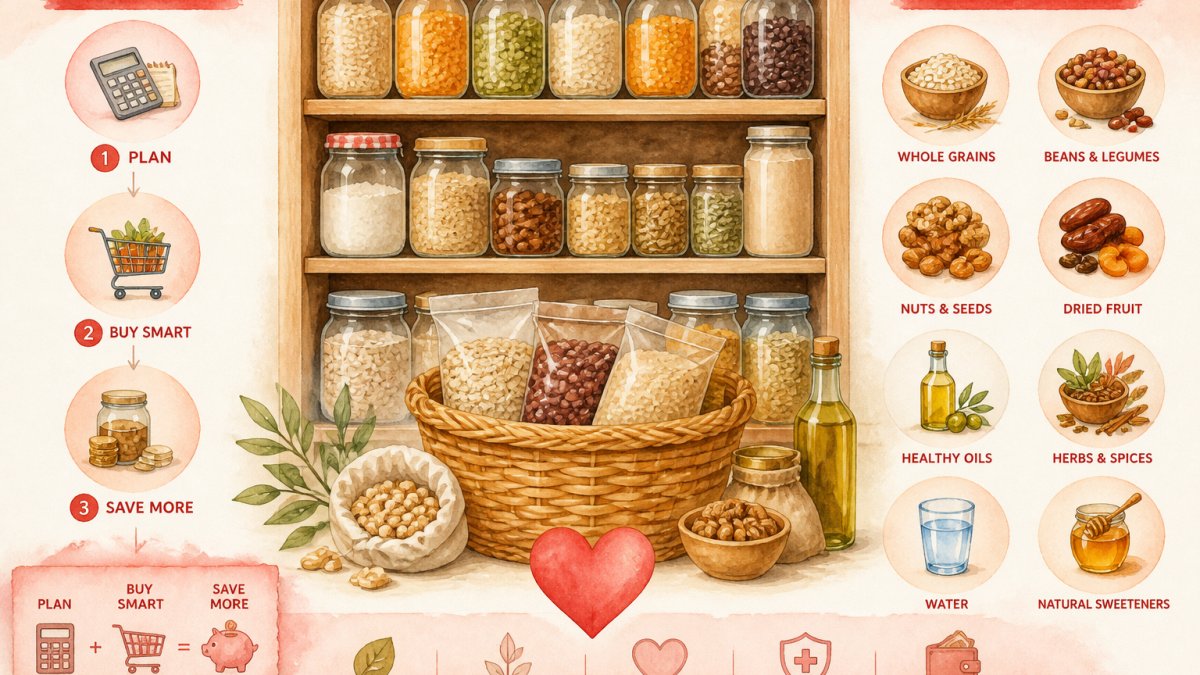
A healthy pantry on a budget is a collection of affordable, nutrient-dense foods like whole grains, legumes, shelf-stable produce, and basic proteins that support your family’s wellness without straining your finances. Build it in three stages over two months, starting with one grain, one legume, and basic seasonings, then add variety and resilience as your budget allows.
- Buy dried legumes in bulk, a pound costs a fraction of canned and yields six servings.
- Combine legumes with whole grains to create complete proteins with all nine amino acids.
- Frozen vegetables retain nutrients picked at peak ripeness and cost less than fresh.
- Label everything with the date and rotate older items forward to prevent waste and spoilage.
- Batch cook 2-3 recipes weekly to cut cooking time in half and eat with confidence all week.
Table of Contents
- What Is a Healthy Pantry on a Budget?
- Health Benefits of Building a Healthy Pantry on a Budget
- Essential Healthy Pantry Staples for Every Budget
- Creating Your Budget Pantry Shopping List
- How to Organize a Pantry on a Budget
- Pantry Staples Recipes for Budget-Conscious Cooking
- Avoiding Food Waste and Maximizing Your Budget
- Conclusion: Your Path to a Nourished Home
- Frequently Asked Questions
What Is a Healthy Pantry on a Budget?
A healthy pantry on a budget is a collection of affordable, nutrient-dense foods that support your family’s wellness without straining your finances. It combines whole grains, legumes, shelf-stable produce, and basic proteins into a foundation for nourishing meals.
Building a healthy pantry on a budget starts with intention: you’re investing in your family’s health and peace of mind.
Biblical Foundation for Intentional Eating
Throughout Scripture, food symbolizes provision, gratitude, and stewardship.
This provision teaches us that nourishment comes from whole, real foods, not processed shortcuts. Building a healthy pantry on a budget honors that stewardship, choosing wisely, wasting less, and feeding your household with intention.
At Allstarhealth, we believe building a healthy pantry doesn’t require luxury prices or exotic ingredients, just knowledge, planning, and access to quality staples.
Health Benefits of Building a Healthy Pantry on a Budget
Energy and Vitality: Whole grains and legumes provide sustained energy.
Mental Clarity: Nutrient-dense foods support brain function.
Financial Peace: When you control your pantry, you control your budget, no food waste, no emergency takeout. Intentional eating is affordable eating.
Family Resilience: A stocked pantry means meals are ready after a bad week and unexpected guests are fed without stress.
Essential Healthy Pantry Staples for Every Budget
A healthy pantry on a budget rests on five core categories. Master these, and you can build any meal.
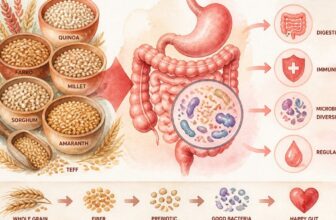
Whole Grains and Legumes
These are the backbone of affordable nutrition: cheap per serving, shelf-stable for months, and packed with fiber and plant-based protein.
Whole grains to prioritize:
- Brown rice (versatile, filling, stores for years)
- Oats (breakfast, baking, texture in savory dishes)
- Whole wheat pasta (familiar, satisfying, nutrient-dense)
Legumes to stock:
- Dried beans (black, pinto, kidney, buy in bulk)
- Lentils (red, green, brown, cook fast, no soaking)
- Split peas (soup staple, inexpensive)
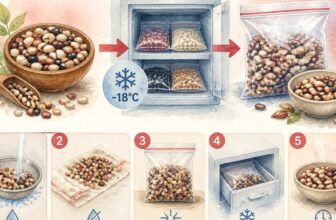
Buy dried legumes in bulk, a pound costs a fraction of canned and yields six servings. Store airtight, away from heat and moisture.
Affordable Proteins and Plant-Based Alternatives
You don’t need expensive meat for a protein-rich pantry; plant-based proteins are cheaper, shelf-stable, and versatile.
Budget-friendly proteins:
- Eggs (affordable, complete protein, long shelf life)
- Canned fish (tuna, sardines, salmon, omega-3s, convenience)
- Peanut butter (protein + healthy fats, lasts months)
Combine legumes with whole grains to create complete proteins. Rice and beans. Lentil soup with whole wheat bread. Chickpea pasta. Your body gets all nine amino acids without premium prices.
Shelf-Stable Produce and Pantry Foundations
Fresh produce is wonderful, but shelf-stable options last longer, cost less, and deliver the same nutrients.
Shelf-stable produce options:
- Canned tomatoes (sauce base, nutrient-dense)
- Frozen vegetables (broccoli, carrots, peas, frozen at peak ripeness)
- Dried herbs (oregano, basil, thyme, flavor without cost)
Canned vegetables retain their nutrients during processing. Frozen vegetables are picked ripe and frozen immediately, sometimes more nutritious than fresh. Don’t hesitate to use them.
USDA guidance on food storage and pantry organization
These five core categories form the foundation of an affordable, nutritious pantry.
| Category | Best Options | Key Benefit |
|---|---|---|
| Whole Grains | Brown rice, oats, whole wheat pasta, barley, quinoa | Shelf-stable for months, fiber and plant protein |
| Legumes | Dried beans, lentils, split peas, chickpeas | Cheap per serving, no soaking needed for lentils |
| Proteins | Eggs, canned fish, peanut butter, seeds, nuts | Complete amino acids when paired with grains |
| Shelf-Stable Produce | Canned tomatoes, frozen vegetables, dried herbs, potatoes | Retain nutrients, last longer, cost less |
| Pantry Foundations | Garlic, onions, cooking fat, salt, pepper | Flavor base for all meals, long storage life |
Creating Your Budget Pantry Shopping List
A smart shopping list prevents waste, saves money, and ensures you have what you need. Learn how to simplify healthy grocery shopping to build your list strategically. Build it in stages and match it to your household size.
The Staged Starter Pantry Plan
Don’t stock a full pantry in one trip. Build it in three stages so your budget stays steady and nothing spoils before use.
Stage 1, The Foundation (first two weeks)
Stock only the items you will cook with immediately:
- One whole grain you already know how to cook (oats or brown rice)
- One dried legume (lentils cook fastest and need no soaking)
- One cooking fat and one basic seasoning set (salt, pepper, garlic powder, dried oregano)
Stage 2, The Workhorses (weeks three and four)
Add the items that multiply your meal options:
- A second grain (whole wheat pasta or barley)
- A second legume (black beans or chickpeas)
- Frozen vegetables in two or three varieties
Stage 3, The Extenders (month two onward)
Round out variety and resilience:
- A third grain (quinoa or another ancient grain)
- Seeds and bulk nuts for topping and snacking
- Dried herbs and spices beyond the basics
Match the plan to your household. A single cook needs roughly half the quantities of a family of four. A household of six should double the Stage 1 and Stage 2 lists. Write your own quantities next to each line before you shop.
Prioritizing by Unit Price and Cost Per Serving
Unit price is your secret weapon: the cheapest item on the shelf isn’t always the best value, the lowest cost per serving of food you’ll actually eat is.
How to compare:
- Divide the package total by the number of servings it yields (not by weight alone)
- Compare the same food across brands and package sizes
- Buy larger quantities only of items you use regularly
A worked example: A larger bag of brown rice usually costs less per serving than a smaller one, since per-serving cost drops as package size grows.
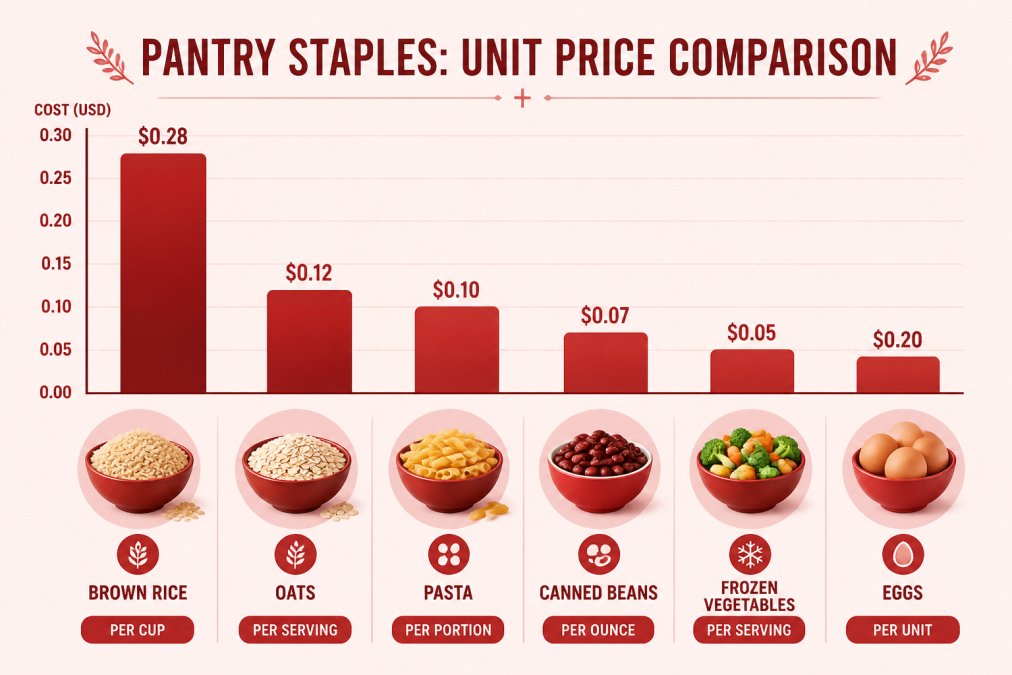
Cost per serving, not sticker price, is the number that decides whether a staple belongs in your pantry. Compare servings, not shelf appeal.
Seasonal Shopping and Sales Strategy
Seasonal produce costs less and tastes better. Plan around what’s in season and preserve the surplus when it’s cheapest.
Spring: Asparagus, peas, lettuce (fresh salads, side dishes)
Summer: Berries, tomatoes, zucchini (preserve, freeze, can)
Fall: Apples, squash, root vegetables (storage crops)
Winter: Citrus, cabbage, carrots (long-storage vegetables)
Buy in bulk when prices drop: freeze berries, can tomatoes, dry herbs, and store root vegetables in cool, dark places.
Watch for sales on shelf-stable items and stock up on canned goods, grains, and legumes when discounted. A well-managed pantry absorbs price fluctuations, so you buy at the low point instead of the high.
USDA guidance on food storage and pantry organization
How to Organize a Pantry on a Budget
Organization prevents waste: when you can see what you have, you use it before it spoils. The goal isn’t a Pinterest-perfect shelf but a system that tells you what to eat next and keeps food safe.
Storage Solutions and Food Safety
You don’t need expensive containers, use what you have, correctly.
Free or cheap storage:
- Glass jars from sauces and nut butters (wash, dry fully, label with contents and date)
- Plastic containers from takeout (wash and reuse for dry goods)
- Paper bags for onions and potatoes (breathable, prevents mold)
Organization by category:
- Grains together (rice, oats, pasta, quinoa)
- Legumes together (beans, lentils, chickpeas)
- Proteins together (nuts, seeds, canned fish)
Keep frequently used items at eye level. Store heavier items on lower shelves. Label everything with the date opened or purchased.
Storage conditions that matter:
- Keep dry goods in airtight containers away from heat, light, and moisture
- Store onions and potatoes separately, together they speed each other’s spoilage
- Keep herbs upright in a little water, like flowers
Never store dry goods in containers that held strong-smelling foods unless they are thoroughly washed and fully dry. Residual moisture is the fastest route to mold in grains and legumes.
Rotation and Inventory Tracking
A simple inventory system prevents overbuying and waste. The rule is first in, first out: older items front, newer behind.
Track what you have:
- Keep a running list on your phone or on the fridge
- Note quantities: “3 cans tomatoes, 2 lbs rice, 1 jar peanut butter”
- Update weekly after shopping
A realistic rotation rhythm:
- Before each shopping trip, check the pantry and cross off what you already have
- After each trip, put new items behind older ones
- Once a month, do a five-minute sweep: pull forward anything nearing its date and plan a meal around it
Realistic shelf-life guidance (store in a cool, dark, dry place):
- White rice and dried pasta keep for many months; brown rice and whole grains go rancid sooner because of their natural oils, so buy smaller amounts more often
- Dried beans and lentils keep for a long time but lose tenderness with age, so rotate them
- Canned goods keep for a long time but are best used within a year or two of purchase for quality
Label it, date it, and rotate it. A pantry you can read at a glance is a pantry that saves money.
FDA guidelines on food storage and safety
Pantry Staples Recipes for Budget-Conscious Cooking
Real food comes alive in the kitchen. These recipes use only pantry staples, no specialty ingredients, no high prices.
Batch Cooking and Meal Prep
Batch cooking multiplies your time and money. Cook once, eat all week.
The batch cooking rhythm:
- Choose 2-3 recipes for the week
- Buy ingredients once
- Cook on Sunday (3-4 hours total)
A pot of lentil soup feeds your family four times. A sheet pan of roasted vegetables lasts three dinners. Cooked grains reheat perfectly. You’ve just cut your cooking time in half.
Ancient Biblical Recipes Using Simple Ingredients
Scripture is full of food wisdom. Ancient recipes use humble ingredients and deliver remarkable nourishment.
Lentil Stew (Genesis 25:34)
Red lentils, onion, garlic, olive oil, water, salt. Simmer 20 minutes.
Barley Bread (Judges 7:13)
Barley flour, water, salt, a touch of honey. Mix, rest, bake.
Herb-Roasted Chickpeas
Canned chickpeas, olive oil, dried herbs (oregano, thyme), salt. Roast at 400°F for 25 minutes.
Explore Learn how to build a healthy pantry with natural foods for detailed guidance on sourcing quality ingredients. For ancient recipes using simple ingredients, check out Ancient Secrets Cookbook Recipes For Vibrant Health Unlimited Energy Peace Of Mind, a collection of biblical recipes designed for nourishment and simplicity.
Avoiding Food Waste and Maximizing Your Budget
Food waste is money wasted. A strategic approach keeps both in your pocket.
Use every part:
- Vegetable scraps become broth
- Stale bread becomes croutons or breadcrumbs
- Overripe fruit becomes smoothies or preserves
Plan before you shop:
- Check what you have
- Plan meals around those items
- Make a list based on your plan
Store strategically:
- Keep herbs upright in water (like flowers)
- Store potatoes and onions separately (they affect each other)
- Keep berries in breathable containers
The goal isn’t perfection. It’s intention. Small habits compound into real savings.
FDA guidelines on food storage and safety
Conclusion: Your Path to a Nourished Home
Building a healthy pantry on a budget is one of the most powerful investments you can make. It’s not about deprivation.
You now have the framework: whole grains, legumes, shelf-stable produce, strategic shopping, smart storage, and simple recipes.
Start small. This week, buy one new whole grain and one legume you’ve never tried. Next week, add another.
Frequently Asked Questions
What are the cheapest healthy pantry staples to start with?
Beans, lentils, oats, brown rice, and whole grains offer the best value and nutrition per serving. Canned vegetables, frozen produce, and eggs provide affordable protein and nutrients. Store brands of these items cost less than name brands while maintaining quality. Buy in bulk when possible to reduce unit costs. These foundational items form the base of a healthy pantry on a budget and support countless recipes.
How can I organize a pantry on a budget without buying expensive organizers?
Use recycled glass jars, cardboard boxes, and repurposed containers to store dry goods and pantry staples. Label everything clearly with masking tape and a marker. Group similar items together: grains in one section, legumes in another, canned goods by type. Store heavier items on lower shelves for safety. Rotate older stock to the front using the FIFO method (first in, first out) to prevent food waste and spoilage.
What pantry staples recipes can I make with basic budget ingredients?
Lentil soups, bean stews, grain bowls, and simple pasta dishes are nutritious and affordable. Combine beans with rice for complete proteins. Use dried herbs and spices to flavor simple ingredients. Batch cook these pantry staples recipes on weekends and freeze portions for the week. Ancient biblical recipes like barley bread, split pea soup, and herb-seasoned legumes use humble, budget-friendly ingredients and deliver substantial nutrition.
How do I avoid food waste when building a healthy pantry on a budget?
Plan meals before shopping to buy only what you’ll use. Track expiration dates and rotate stock regularly. Store produce properly: frozen vegetables last months, canned goods stay shelf-stable for years, and dried goods in airtight containers resist spoilage. Use leftover pantry staples in soups, casseroles, or grain bowls. Composting vegetable scraps and planning recipes around what you have reduces waste and stretches your budget further.
At Allstarhealth, we’re here to make this journey easier. Our curated selection of natural and organic pantry staples, from premium grains to wholesome legumes to herbal wellness products, gives you access to quality ingredients without premium prices. Browse our pantry collection and start building your healthy foundation today. Your family’s wellness is worth the intention.