Last Updated: October 26, 2026
Quick Summary
A biblical diet centers on whole, minimally processed foods named in Scripture, such as fruits, vegetables, grains, legumes, and honey. To start one, track your current meals for three days, build each lunch and dinner around a simple plate framework, and add one biblical food each week.
- Track what you already eat for three days and circle the foods that appear in Scripture.
- Fill half your plate with vegetables or fruit, one quarter with a whole grain or legume, and one quarter with protein.
- Add one new biblical food each week, starting with a legume in week two.
- Use honey and dried figs or dates as natural sweeteners, in moderation.
- Speak with a doctor or registered dietitian before starting if you have a health condition or are pregnant.
Table of Contents
- What Is a Biblical Diet?
- Bible Verses About Healthy Eating and What They Teach
- Biblical Diet Foods List: What Scripture Describes
- Biblical Diet for Beginners: A Step-by-Step Starting Plan
- Sample Biblical Diet Meal Plan for the First Week
- Nutrition Adequacy, Budget, and Dietary Adaptations
- Your First Grocery Order and Next Steps with Allstarhealth
- Frequently Asked Questions
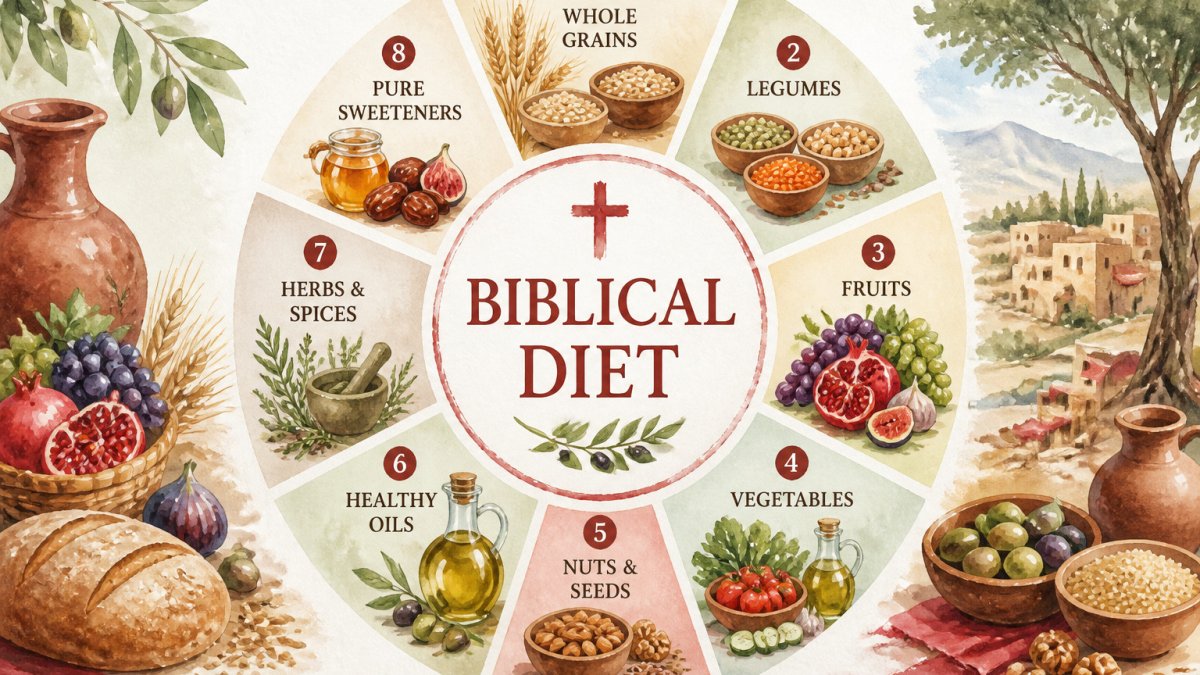
Many people who read Scripture about food feel drawn to eat more like the people in the Bible. A biblical diet is an approach that centers on whole, minimally processed foods that appear in the Bible, such as fruits, vegetables, grains, legumes, and honey.
“Gracious words are a honeycomb, sweet to the soul and healing to the bones.” (Proverbs 16:24)
What Is a Biblical Diet?
A biblical diet is a way of eating that draws on foods named in Scripture and emphasizes natural, whole forms of those foods. Most versions focus on fresh produce, whole grains, legumes, olive oil, nuts, honey, and modest amounts of meat and dairy.
Most people who follow one do so for both spiritual and practical reasons. They want their eating to reflect their faith, and they like the simpler, less processed style of food.
Biblical Principles Versus Modern Diet Rules
Biblical eating and modern nutrition advice overlap, but they are not the same thing. Scripture describes foods and food practices in their own historical setting. Modern nutrition guidance asks different questions about portion sizes, nutrient needs, and health risks.
- Biblical principle: Eat foods in their natural form, such as grain, fruit, and olive oil.
- Modern guidance: Limit added sugars and ultra-processed foods.
- Where they agree: Whole, minimally processed foods are a good base for most people.
Use Scripture for your spiritual reflection and use a registered dietitian or doctor for decisions about your health. For a broader look at how beans, whole grains, and traditional herbs fit into balanced meals, see ancient foods for healthy living.
Bible Verses About Healthy Eating and What They Teach
Several passages mention food, moderation, and gratitude. Reading them can shape how you approach meals.
- Genesis 1:29 describes seed-bearing plants and fruit as food, which points to a plant-rich starting place.
- Proverbs 25:16 warns, “Have you found honey? Eat just enough.” It is a reminder that even good foods are best in moderation.
- Proverbs 23:20-21 cautions against overindulgence, a theme that fits modern advice about balanced eating.
- 1 Corinthians 10:31 says to do everything for God’s glory, including eating and drinking.
These verses are best read as guidance for attitude and self-control. They do not provide a detailed nutrition plan.
Biblical Diet Foods List: What Scripture Describes
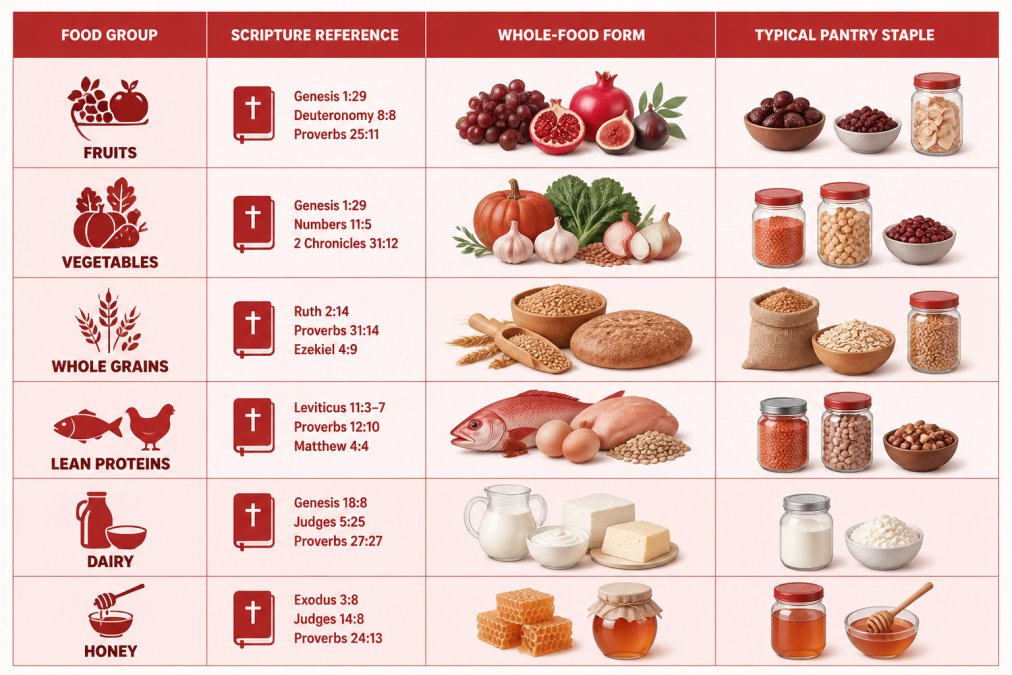
Scripture names many foods. The list below groups common examples so you can see what a biblical pantry might include.
Fruits, Vegetables, and Grains
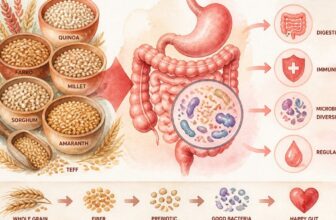
Fruits and vegetables form the core of most biblical eating patterns. Figs, dates, grapes, olives, pomegranates, lentils, beans, barley, and wheat appear often in the biblical text.
- Choose fresh or minimally processed forms when you can.
- Dried figs and dates work well as natural sweeteners.
- Whole barley and whole wheat are closer to the biblical forms than refined flour.
Meat, Dairy, Honey, and Other Foods
Scripture also describes meat, fish, milk, cheese, and honey. Many people use these in small portions alongside plant foods.
- Raw honey is a traditional sweetener you can use in moderation.
- Fish and lean poultry are simple protein options.
- Olive oil, nuts, and seeds add healthy fats to many meals.
Biblical Diet for Beginners: A Step-by-Step Starting Plan
Starting a biblical diet works best as a series of small, repeatable changes rather than a sudden overhaul. The plan below gives you a clear starting sequence, a simple meal-building framework, and ways to adapt it to your life. It is written for beginners and assumes no special equipment or prior experience.
Before you begin, write down one sentence describing why you want to eat this way. Keep it where you plan meals. A clear reason makes the first two weeks much easier to sustain.
Step 1: Set your starting point (Days 1-3)
Before changing anything, spend three days noting what you already eat. You do not need to count calories or weigh food. Just record meals, snacks, and drinks in a notebook or phone note. At the end, circle the foods that already appear in Scripture, fruit, vegetables, grains, legumes, olive oil, nuts, honey, fish, poultry, dairy. Most people find they already eat several biblical foods and simply need to build around them.
Step 2: Build a repeatable plate (Week 1)
Use this simple framework for lunch and dinner. It turns broad principles into daily choices without a rigid menu.
- Half the plate: vegetables or fruit, fresh, frozen, or dried.
- One quarter: a whole grain or legume, barley, whole wheat, oats, lentils, chickpeas, or beans.
- One quarter: a protein, fish, poultry, eggs, dairy, or an extra legume serving.
- Fat and flavor: olive oil, nuts, seeds, herbs, and a modest amount of honey.
This plate is a tool, not a rule. It is designed to be adjusted for appetite, culture, and health needs.
Step 3: Add one biblical food each week (Weeks 2-4)
Rather than removing foods, add one biblical food per week. This keeps the change positive and sustainable.
- Week 2: Add a legume you do not usually cook, lentils, chickpeas, or black beans. Use it in two meals.
- Week 3: Swap one refined grain for a whole grain, barley, oats, or whole wheat bread.
- Week 4: Add one new fruit or vegetable from the biblical list, figs, dates, pomegranate, or olives.
Step 4: Plan a sample first week
Use the framework above to plan seven days. A simple pattern many beginners find workable:
- Breakfast: oats or whole grain toast with fruit, nuts, and a little honey or yogurt.
- Lunch: a legume or grain bowl with vegetables and olive oil.
- Dinner: fish or poultry with a whole grain and cooked vegetables, or a vegetable and legume stew.
- Snacks: fruit, nuts, seeds, or a small amount of dried figs or dates.
You do not need to follow this exactly. The goal is a repeatable rhythm you can keep.
Step 5: Track and adjust
At the end of each week, note three things: energy, digestion, and hunger. If you feel hungry between meals, add a protein or fat source. If digestion changes, increase water and introduce legumes gradually. Adjust portions to your needs rather than forcing a fixed amount.
If you have a medical condition, are pregnant or breastfeeding, take medication, or plan to fast or eliminate food groups, speak with your doctor or a registered dietitian before starting. This plan is general guidance, not medical advice.
How to adapt the plan
- Vegetarian or vegan: replace meat and dairy with legumes, tofu, tempeh, nuts, and seeds. Plan for vitamin B12 from fortified foods or a supplement, and discuss iron and calcium with a clinician.
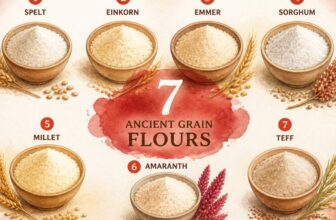
- Gluten-free: use rice, corn, quinoa, buckwheat, and gluten-free oats in place of wheat and barley.
- Budget-focused: build meals around dried beans, lentils, oats, seasonal produce, and frozen vegetables. These are among the most affordable biblical foods.
- Culturally varied: the biblical list is not a single cuisine. Use the framework with the grains, legumes, and vegetables common in your own food tradition.
A simple grocery list to start
- Dried lentils, chickpeas, and beans
- Oats, barley, and whole wheat bread or flour
- Olive oil
- Nuts and seeds
Start with the framework, add one food each week, and adjust as you go. The plan is meant to be repeated and refined, not followed perfectly.
Sample Biblical Diet Meal Plan for the First Week
This sample week uses common foods from the biblical list. Adjust portions to your needs.
| Day | Breakfast | Lunch | Dinner |
|---|---|---|---|
| Monday | Oatmeal with figs and nuts | Lentil soup with whole grain bread | Grilled fish, roasted vegetables, barley |
| Tuesday | Yogurt with honey and pomegranate | Chickpea salad with olive oil | Lean chicken with lentils and greens |
| Wednesday | Whole grain toast with olive oil | Bean and vegetable soup | Baked fish with dates and salad |
| Thursday | Oatmeal with raisins and almonds | Hummus and vegetable wrap | Vegetable stew with whole wheat bread |
| Friday | Fresh fruit and cottage cheese | Lentil salad with olives | Grilled chicken and steamed vegetables |
| Saturday | Whole grain pancakes with honey | Leftover stew | Fish tacos on corn tortillas with cabbage |
| Sunday | Yogurt with figs and seeds | Bean salad with herbs | Roast lamb or chicken with vegetables and barley |
Nutrition Adequacy, Budget, and Dietary Adaptations
A biblical-style diet can meet most nutrient needs when it is built around variety and enough total food. The gaps appear when the diet becomes narrow, restrictive, or plant-only without planning. This section gives you concrete ways to check adequacy, save money, and adapt the plan to different needs.
Checking nutrition adequacy
Nutrients to consider include:
- Vitamin B12: found mainly in animal foods. Plant-only versions need fortified foods or a supplement. Discuss dosing with a clinician.
- Iron: plant sources include lentils, beans, and whole grains.
- Calcium: dairy, fortified plant milks, leafy greens, and almonds contribute. Plant-only diets may need fortified foods.
- Omega-3 fats: fish, walnuts, and flaxseed are useful sources.
A registered dietitian can review your plan if you have concerns about any of these nutrients.
Budget and accessibility
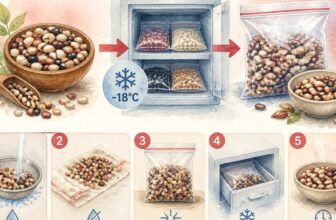
- Choose dried legumes over canned when time allows.
- Buy seasonal produce and freeze extras.
- Keep frozen vegetables and fruit on hand for quick meals.
- Use oats and barley as low-cost whole grains.
Dietary adaptations
- Vegetarian or vegan: replace meat and dairy with legumes, tofu, tempeh, nuts, and seeds. Plan for vitamin B12, iron, calcium, and omega-3 fats.
- Gluten-free: use rice, corn, quinoa, buckwheat, and gluten-free oats. Check labels on packaged foods.
- Allergies: swap nuts for seeds, dairy for fortified plant alternatives, and fish for other protein sources as needed.
- Chronic conditions: diabetes, kidney disease, and heart conditions may require specific portion or nutrient guidance. Work with your clinician before making large changes.
A biblical diet is a framework, not a prescription. The safest approach is to build variety, watch the nutrients most likely to be low, and get personalized guidance when you have a health condition, are pregnant, or plan to fast.
When to consult a professional
Consult a registered dietitian or doctor before starting if you plan to fast, eliminate food groups, follow a plant-only version long term, or manage a chronic condition. They can help you check nutrient intake and adjust the plan safely.
Your First Grocery Order and Next Steps with Allstarhealth
Begin your first order with the basics: dried legumes, whole grains, dried fruit, raw honey, olive oil, and nuts or seeds. You can shop natural foods, herbs, and everyday essentials in one place. Add fresh produce from your local store to fill out the week.
If you want to browse natural foods, herbs, and pantry staples, visit Allstarhealth.net.
Frequently Asked Questions
What diet does the Bible say we should eat?
Scripture does not prescribe a single modern diet. Genesis 1:29 describes plants and seed-bearing fruit as food, and Leviticus 11 lists clean and unclean animals for Israel. Many people who follow a biblical diet start with whole, minimally processed foods such as grains, vegetables, fruit, legumes, and honey, and then decide how to handle the Old Testament food laws based on their own study and faith tradition. Speaking with a pastor, teacher, or doctor can help you decide what fits your situation.
How do I start a biblical diet as a beginner?
Start small. Choose one week to add fruit, nuts, or vegetables to your meals. Read labels and plan a few simple meals in advance. Add changes gradually, and check in with a healthcare professional before making major changes, especially if you take medication or have a medical condition.
Can a biblical diet help with weight loss?
Weight changes depend on many factors. For personal guidance, speak with a healthcare professional.
Does the Bible prohibit any foods?
Leviticus 11 and Deuteronomy 14 list animals considered clean and unclean for ancient Israel, and Acts 10 presents a vision that Christians often interpret as changing those rules. Christians and Jews hold different views on whether these laws apply today. Reading the passages in context and discussing them with a faith leader can help you form a view that fits your convictions.