Table of Contents
- What Is a Biblical Pantry?
- Health Benefits of Biblical Foods and Pantry Staples
- Creating a Biblical Foods List for Your Household
- How to Store Grains and Beans Long Term
- Building an Emergency Food Pantry Checklist
- Bible-Inspired Meal Planning and Rotation
- Organizing and Maintaining Your Biblical Pantry
- Conclusion: Start Your Biblical Pantry Today
- Frequently Asked Questions
Last Updated: October 19, 2026
What Is a Biblical Pantry?
A biblical pantry is a well-stocked food supply built on the principles and foods mentioned throughout Scripture.
The concept roots itself in biblical stewardship. Proverbs 21:5 reminds us: “The plans of the diligent lead to profit as surely as haste leads to poverty.” A biblical pantry reflects this principle by encouraging thoughtful preparation and wise resource management.
At Allstarhealth, we believe that to build a biblical pantry means more than stockpiling food. It’s about creating a foundation for your family’s nutrition using natural, organic staples that align with both scriptural guidance and modern wellness practices.
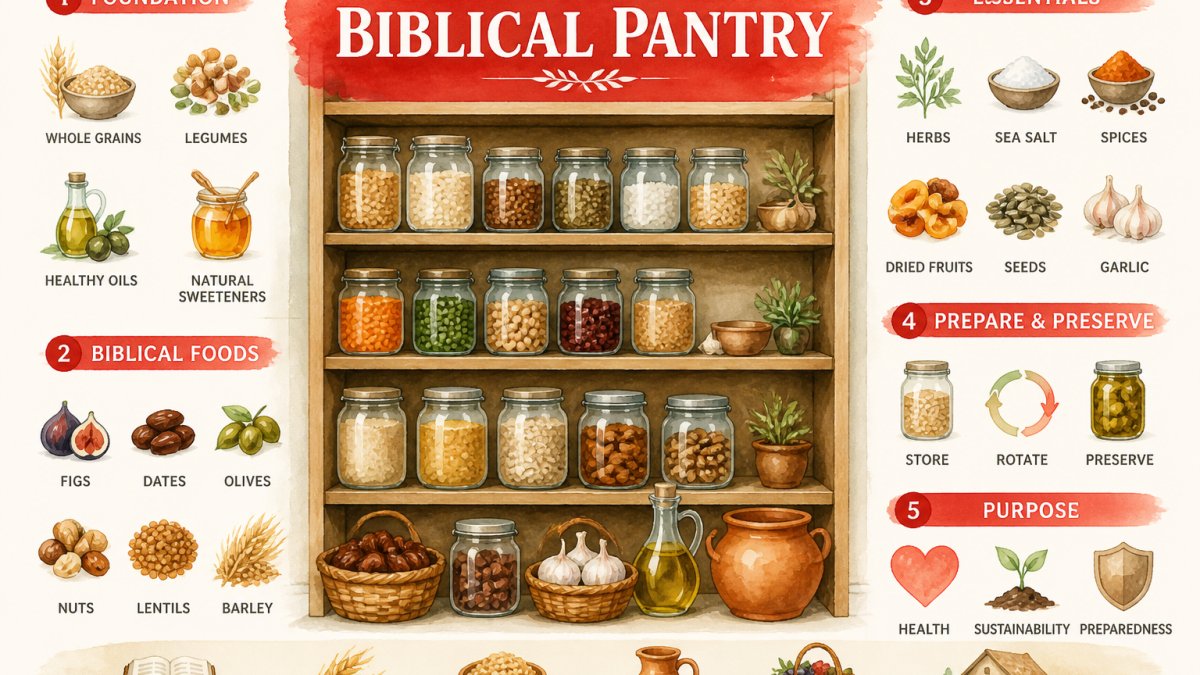
The biblical pantry draws from foods that appear throughout Scripture: wheat, barley, lentils, honey, olive oil, and dried fruits. These foods sustained biblical communities and remain nutritionally powerful today.
Start small and build gradually. A biblical pantry develops over weeks and months, not overnight. Focus on foods your family already eats, then expand from there.
Health Benefits of Biblical Foods and Pantry Staples
Biblical foods offer remarkable nutritional value that modern science continues to validate. The staples mentioned throughout Scripture provide sustained energy, essential nutrients, and support for long-term health.
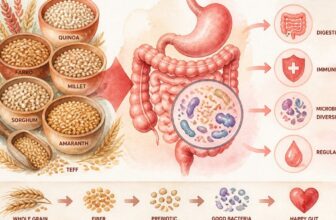
Whole grains like wheat and barley deliver fiber, B vitamins, and sustained energy. Legumes including lentils and beans provide plant-based protein and minerals. Olive oil contains heart-healthy monounsaturated fats. Honey offers natural antimicrobial properties and quick energy.
These foods align with what nutritionists now call the Mediterranean diet, which emphasizes whole grains, legumes, and healthy oils.
Biblical significance runs deep here.
Allstarhealth curates organic grains, heirloom beans, and pure oils that honor this tradition while meeting modern wellness standards. When you stock your pantry with these foundational foods, you’re investing in your family’s health and resilience.
Creating a Biblical Foods List for Your Household
Building your biblical foods list starts with understanding what your household actually needs. This prevents waste and ensures you stock foods people will genuinely eat.
Step 1: Assess Your Family’s Needs
Write down the meals your family enjoys most. Include breakfast favorites, lunch staples, dinner proteins, snacks, and treats. Note any dietary restrictions, allergies, or preferences.
Ask yourself: What grains does your family eat regularly? Which beans and legumes appear in favorite recipes? What oils and seasonings do you use weekly?
Step 2: Choose Foods People Already Eat
This is crucial. Stock foods your household will actually consume. If your family dislikes lentils, don’t fill your pantry with them. If you never use quinoa, skip it.
Focus on versatile staples:
- Wheat berries or whole wheat flour
- Brown rice or other grains
- Dried beans (black, pinto, chickpeas)
- Lentils
- Olive oil
- Honey
- Sea salt
- Dried herbs
Step 3: Plan Quantities Based on Family Size
A family of four needs different quantities than a family of two.
Start modest. Buy enough for two weeks of regular meals. As you build confidence, increase to monthly or longer supplies.
The best biblical pantry reflects your actual eating habits, not an idealized version. Stock what you’ll use, adjust as you learn, and build from there.
How to Store Grains and Beans Long Term
Proper storage keeps grains and beans fresh, nutritious, and protected from pests and moisture. These staples can last years when stored correctly.
Best Storage Conditions
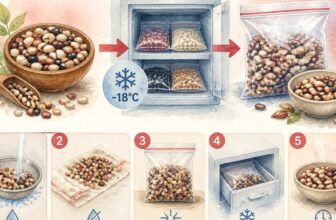
Store grains and beans in cool, dry places. Ideal temperature stays between 50-70°F. Humidity should remain below 15%. A basement, pantry, or closet typically works well.
Container Options
Food-grade buckets with tight-fitting lids work well for bulk storage. Glass jars suit smaller quantities. Mylar bags with oxygen absorbers provide excellent protection for long-term storage.
Rotation System
Label containers with purchase dates. Use older items first. Grains and beans can last for extended periods when stored properly.
Check stored foods monthly for signs of pests or moisture. Discard anything showing discoloration, odd odors, or visible damage.
Allstarhealth offers organic grains and beans in bulk quantities, allowing you to purchase what you need while maintaining quality standards.
Building an Emergency Food Pantry Checklist
An emergency food pantry ensures your family has nutrition during supply disruptions, natural disasters, or unexpected situations. But food alone is not a plan. A reserve you cannot cook or hydrate is not a reserve.
Essential Food Categories to Stock
- Grains: Wheat berries, oats, rice, pasta
- Legumes: Beans, lentils, split peas
- Proteins: Canned fish, nuts, seeds
- Vegetables: Canned tomatoes, carrots, green beans
- Fruits: Dried fruits, canned fruit in juice
- Fats & Oils: Olive oil, coconut oil
- Seasonings: Sea salt, herbs, spices
- Sweeteners: Honey, molasses
Quantity Guidelines
Start with a two-week supply for your household, calculated from family size and typical daily consumption. A family of four might stock roughly:
- 20-30 pounds of grains
- 10-15 pounds of beans
- 24 cans of vegetables
- 12 cans of fruit
- 5-10 pounds of nuts or seeds
Build gradually toward a longer supply as you learn what your family actually uses.
Do Not Forget the Dependencies
A food reserve depends on three things that are easy to overlook:
- Water: Store at least one gallon per person per day for a minimum two-week supply, and rotate it every six months. Water is also needed for cooking grains and beans, so plan beyond drinking water alone.
- Cooking fuel and heat source: If your normal cooking depends on electricity or gas, add a power-independent option such as a camping stove with adequate fuel, and store matches or lighters. Follow manufacturer safety guidance and never use fuel-burning stoves indoors.
- Equipment: Manual can openers, a sturdy pot, a kettle, mixing bowls, and simple utensils. A hand-crank or battery radio and basic first-aid supplies round out the kit.
Plan for Specific Scenarios
Different disruptions call for different responses. Write a short plan for each:
- Short power outage: meals that need no cooking or minimal heating, plus water and lighting.
- Transport or supply interruption: shelf-stable foods and a buffer of your most-used staples.
- Prolonged shortage: rationing plan, longer-duration staples, and a rotation schedule.
- Recovery: a restock list to bring the pantry back to target levels once supplies return.
Special Considerations
Include foods for family members with allergies or dietary needs, and stock comfort foods alongside nutritious staples. Add items for infants, older adults, or those with medical conditions. Keep a written list of any medications and dietary restrictions with your plan.
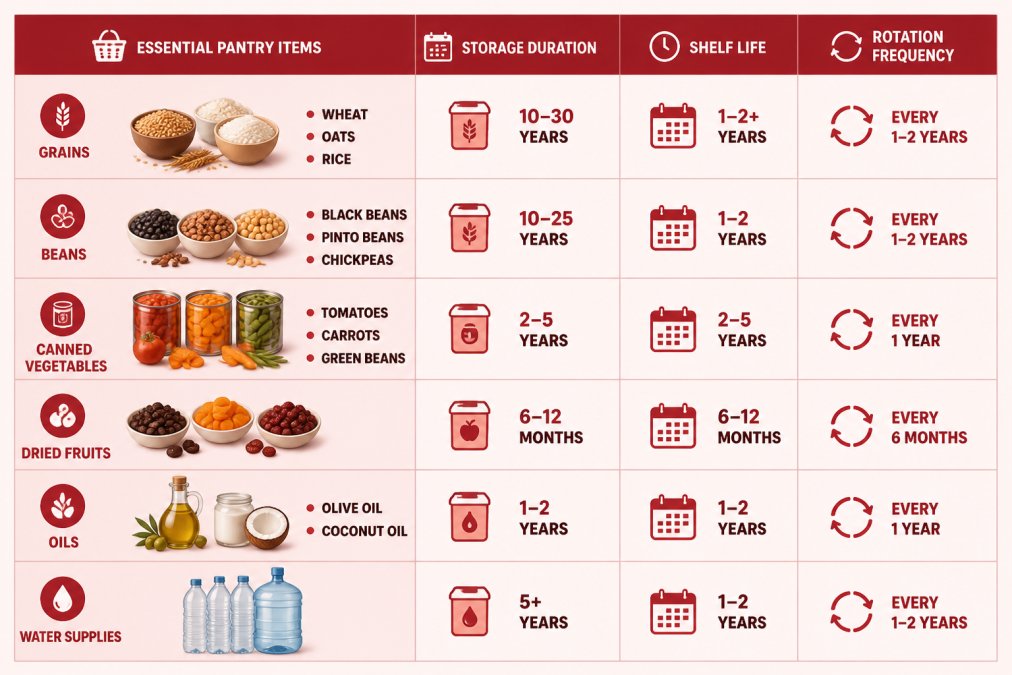
Water and cooking fuel are non-negotiable. Store at least one gallon of water per person per day, rotate it every six months, and keep a power-independent cooking option with adequate fuel. Never burn fuel indoors without proper ventilation.
Bible-Inspired Meal Planning and Rotation
Meal planning ensures your pantry staples get used regularly and your family eats well. Rotation prevents waste and keeps your pantry fresh.
Create a Simple Meal Plan
List 7-10 meals your family enjoys that use pantry staples. Include breakfast, lunch, and dinner options. A sample week might feature:
- Lentil soup with whole grain bread
- Bean chili with rice
- Whole wheat pasta with tomato sauce
- Grain bowls with roasted vegetables
- Bean-based tacos
- Oatmeal with dried fruit and nuts
The First-In, First-Out System
Place newer items behind older ones. Use older stock first. Check expiration dates monthly. Rotate items forward as you add new supplies.
This prevents waste and ensures your pantry always contains fresh food.
Seasonal Adjustments
Summer meals might emphasize lighter fare. Winter brings heartier soups and stews. Spring and fall offer transition periods for adjusting quantities and varieties.
Biblical wisdom speaks to this rhythm.
Allstarhealth’s curated selection supports diverse meal planning. Their organic grains, beans, and seasonings work across countless recipes, helping you maintain variety while building a resilient food supply.
Organizing and Maintaining Your Biblical Pantry
Organize by Category and Visibility
Group similar items together. Keep all grains in one area, beans in another, canned goods on dedicated shelves, oils together, and seasonings in one spot.
Set Reorder Points, Not Just Inventory Lists
A plain inventory list tells you what you have. A reorder point tells you when to act.
A simple way to run this without spreadsheets:
- Mark a line on the container or shelf label at the reorder point.
- When the level reaches the line, add the item to your shopping list immediately.
- Restock back to your target level, not just to the line.
This is the practical version of Proverbs 21:5: “The plans of the diligent lead to profit as surely as haste leads to poverty.” Diligence is a system, not a feeling.
Choose a Review Cadence
Pick a rhythm you will actually keep.
Run a Simple Replenishment Workflow
A repeatable loop keeps the pantry healthy:
- Check reorder points during the weekly glance.
- Add low items to the shopping list.
- Shop from the list, buying to your target level.
- Put new items behind older ones when you restock.
- Update the inventory during the monthly review.
Track a Few Simple Measures
You do not need complex metrics, but a few numbers make the system honest:
- Days of supply: roughly how many days your current stock could cover normal meals.
- Stockouts: how often a staple runs out before you restock.
- Spoilage: how much you discard at each monthly review.
- Turnover: whether older items are actually being used before new ones.
If stockouts or spoilage keep rising, adjust your reorder points or reduce quantities of items your family does not eat.
Involve Your Family
Teach family members where items are stored and how the reorder line works. When everyone understands the system, maintenance becomes a shared habit rather than a solo task.
A pantry stays stocked when it has reorder points, a review cadence, and a simple restock loop. Measure days of supply, stockouts, and spoilage, and adjust from there.
Conclusion: Start Your Biblical Pantry Today
When you build a biblical pantry, it transforms how your family eats and prepares for the future. This approach honors ancient wisdom while supporting modern wellness goals. Start small, focus on foods your household actually enjoys, and build gradually over weeks and months.
Allstarhealth makes this journey easier with carefully curated organic grains, heirloom beans, pure oils, and wellness resources that support your biblical pantry vision. Their selection of natural, organic staples helps you create a nutritious food supply aligned with both scriptural principles and your family’s health goals. Begin your biblical pantry today, your family’s resilience and nutrition depend on the choices you make now.
Frequently Asked Questions
What are the seven foods of the Bible mentioned in Scripture?
The seven foods of the Bible, wheat, barley, figs, pomegranates, olives, dates, and honey, appear throughout Scripture as symbols of God’s provision and abundance. These staples formed the foundation of ancient diets and remain central to building a biblical pantry today. Including these foods in your household supply connects you to biblical heritage while providing nutrient-dense, shelf-stable nutrition. Many can be stored long-term when kept in cool, dry conditions, making them ideal for both everyday cooking and emergency preparedness.
How do I start building a biblical pantry on a budget?
Start by assessing your household’s actual food needs and current eating patterns. Choose foods your family already enjoys rather than unfamiliar items. Buy shelf-stable staples like beans, rice, and whole grains in bulk, which reduces per-serving costs. Gradually build your supply over time rather than purchasing everything at once. Focus first on items with longer shelf lives and multiple uses. Track what you buy to avoid waste and redundancy. As your pantry grows, you’ll naturally reduce food waste and meal-planning stress, offsetting initial investment through efficiency gains.
What should I include in an emergency food pantry checklist?
An emergency food pantry checklist should include shelf-stable staples (grains, beans, pasta), canned proteins (fish, poultry, legumes), canned vegetables and fruits, cooking oils and fats, salt, dried herbs, honey, nuts, and seeds. Add water for drinking and cooking. Include foods your household actually eats to ensure use during rotation. Consider dietary restrictions, allergies, and nutritional variety. Store items in airtight containers away from moisture, pests, and temperature fluctuations. Label everything with purchase dates. Organize by category and keep an inventory list. Review and replenish stock every six months to maintain freshness and readiness.
How can I use biblical foods in everyday meals?
Biblical foods integrate seamlessly into modern cooking. Use whole grains in breakfast porridges, side dishes, and baked goods. Incorporate beans and lentils into soups, stews, and salads. Add honey to beverages, baked goods, and marinades. Use olive oil as a base for cooking and dressings. Include dates, figs, and pomegranates in snacks, desserts, and grain bowls. Dried herbs enhance flavor in nearly every dish. These foods work in traditional recipes, modern cuisine, and Bible-inspired meal planning. Experiment with ancient recipes while adapting them to your family’s tastes and dietary needs.