Last Updated: November 19, 2026
Quick Summary
Ancient grains are cereal grains that have changed little over centuries and are generally eaten whole, keeping their bran and germ intact. They offer fiber, plant protein, and minerals that support a balanced diet, but no single grain has been shown to raise testosterone in people. Quinoa and buckwheat are gluten-free options with solid protein and fiber.
- Ancient grains keep their bran and germ, unlike refined grains such as white flour and white rice.
- Barley and farro provide the most fiber per serving, but both contain gluten.
- Quinoa and buckwheat are gluten-free and still deliver solid protein and fiber.
- Quinoa and buckwheat cook in about 15 minutes, while farro and barley can take 30 to 45 minutes.
- Check the ingredient list for the word “whole,” since “ancient” is not a regulated nutritional term.
Table of Contents
- What Are Ancient Grains?
- What Are the 7 Ancient Grains?
- Health Benefits of Ancient Grains for Men
- Foods That Support Healthy Testosterone
- What the Research Says About Grains and Male Hormones
- How to Add Ancient Grains to Your Daily Meals
- How to Store Bulk Grains Properly
- Choosing Your Next Pantry Staples at Allstarhealth
- Frequently Asked Questions
Ancient grains are one of the simplest ways to put more whole, nourishing food on the table, and many men are now looking at them as part of a broader approach to hormonal health. Allstarhealth has built its pantry around exactly these kinds of foods, so this guide walks through what they are, what they may offer, and how to use them well. “Gracious words are a honeycomb, sweet to the soul and healing to the bones” (Proverbs 16:24), and the same care applies to what we eat.
Grains are a supporting part of a healthy diet, not a treatment for low testosterone, and the human evidence linking specific grains to male hormone levels is still thin. What follows separates what is well established from what is still being studied.
What Are Ancient Grains?
Ancient grains are cereal grains that have changed little over centuries, which means they keep their bran and germ intact. That intact structure is what separates them from refined grains, where milling strips away much of the fiber and nutrients.
How Ancient Grains Differ From Refined Grains
Refined grains such as white flour and white rice have had their bran and germ removed, which takes away most of the fiber, many B vitamins, and minerals. Ancient grains are generally eaten whole, so they digest more slowly and retain more of their original nutrition. The practical difference is simple: a bowl of farro or quinoa keeps more of the grain than a white roll does.
What Are the 7 Ancient Grains?
The grains most often grouped under this label are quinoa, farro, spelt, barley, oats, buckwheat, and amaranth.
The table below compares the seven grains on fiber and protein per 100 g of cooked serving, so you can see where each one stands. Values are rounded approximations; brands and cooking methods vary, so treat them as a guide rather than a label.
| Grain | Protein (g per 100 g cooked) | Fiber (g per 100 g cooked) | Gluten | Notes |
|---|---|---|---|---|
| Quinoa | ~4.4 | ~2.8 | No | Complete amino acid profile; quick-cooking |
| Amaranth | ~3.8 | ~2.1 | No | Small seed; porridge or popped |
| Oats | ~2.5 | ~1.7 | No (often cross-contacted) | Beta-glucan fiber; breakfast staple |
| Buckwheat | ~3.4 | ~2.7 | No | Savory bowls; good magnesium source |
| Barley (pearled) | ~2.3 | ~3.8 | Yes | Highest fiber here; chewy in soups |
| Farro | ~4.0 | ~3.5 | Yes | Nutty bite; pilafs and salads |
| Spelt | ~5.0 | ~3.9 | Yes | Wheat family; slightly higher protein |
Fiber (g per 100 g cooked)
A few practical trade-offs matter more than the exact numbers. Barley and farro bring the most fiber per serving, which supports fullness and digestive health, but both contain gluten.
Cooking times differ enough to plan around. Quinoa and buckwheat are typically ready in about 15 minutes, while farro and barley can take 30 to 45 minutes depending on the variety and whether they are pearled or hulled.
Watch out: “Ancient” is a marketing term, not a regulated nutritional category, so a product labeled ancient-grain can still be refined or blended with white flour. Check the ingredient list for the word “whole” before the grain name.

Health Benefits of Ancient Grains for Men
Whole grains are consistently linked in the nutrition literature with better overall diet quality, and that matters for men who want to support long-term health. Their benefits cluster around three areas.
Fiber, Protein and Micronutrients
Ancient grains supply fiber, plant protein, and minerals such as magnesium, iron, and zinc. Fiber supports digestion and helps you feel full, which makes it easier to eat a balanced diet. Protein from grains like quinoa is more complete than from most other grains, though it still works best combined with beans or other protein sources.
Heart Health and Blood Sugar Balance
Replacing refined grains with whole grains is one of the more consistent dietary changes associated with better cholesterol and steadier blood sugar. Because whole grains digest more slowly, they produce a gentler rise in blood sugar after a meal. Stable blood sugar and a healthy heart are both part of the metabolic picture that supports healthy hormone function over time.
Foods That Support Healthy Testosterone
No single food raises testosterone on its own, but eating patterns matter. Diets built around whole foods, such as the Mediterranean dietary pattern, are associated with better metabolic health, and that foundation supports healthy hormone function. Foods commonly discussed in this context include oily fish, vegetables, nuts such as walnuts, garlic, ginger, spinach, and whole grains.
Ancient grains fit well into this pattern as the carbohydrate base. Pairing them with vegetables, fish, and healthy fats gives you a meal that supports overall health rather than relying on any one ingredient.
What the Research Says About Grains and Male Hormones
This is the area where caution is most important, and where most articles blur the lines.
Human evidence. Direct human trials testing specific ancient grains against testosterone, sperm parameters, or other male hormone outcomes are scarce. What exists tends to be observational: studies that follow large groups over time and compare diet patterns with health markers.
Animal and mechanistic studies. Much of the more dramatic discussion online comes from animal studies, including work on wheat and testicular function in rodents. These studies are useful for generating hypotheses, but they are not a basis for dietary advice.
What the wheat-testes research does and does not show. Some animal research has raised questions about wheat and male reproductive markers. Read carefully, those studies typically involve small samples, specific preparations, and outcomes measured in animals, not men.
Hormone health beyond testosterone. Male hormone health is not only about testosterone. Fertility and sperm parameters, estrogen balance, SHBG (sex hormone-binding globulin), and metabolic markers such as blood sugar and cholesterol all matter, and the evidence for grains varies by outcome.
How to interpret headlines. When you see a claim that a grain “boosts testosterone” or “lowers it,” ask three questions: Was the study in people or animals? How large was it, and how was the grain prepared and dosed? And does the outcome measured actually reflect hormone health in ordinary diets? Most strong-sounding claims fail at least one of these tests.
If you have symptoms you are worried about, persistent fatigue, low libido, changes in mood or muscle mass, a doctor can run the right tests and discuss options that go beyond food. Grains are a supporting part of a healthy diet, not a substitute for medical evaluation.
How to Add Ancient Grains to Your Daily Meals
Start small. Swap half the white rice in a weekly meal for quinoa or farro, then build from there. Cooked grains keep in the fridge for several days, so cooking a batch on Sunday makes weekday lunches simple. Oats work well overnight with yogurt and fruit, and buckwheat makes a satisfying savory bowl with roasted vegetables and a protein of your choice.
Plan for realistic portions. A serving of cooked grain is roughly half to three-quarters of a cup, and filling half your plate with vegetables keeps the meal balanced.
How to Store Bulk Grains Properly
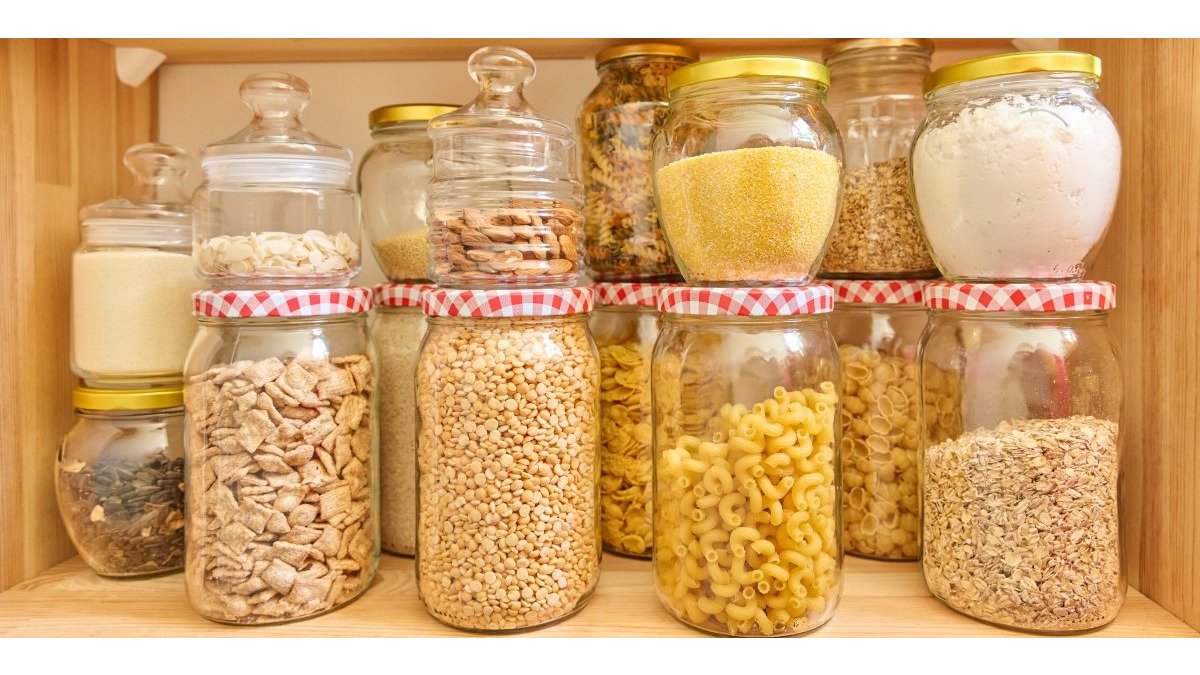
Buying grains in bulk can reduce packaging, but it only pays off if the grains stay fresh. Store them in airtight containers in a cool, dark, dry place. Whole grains contain natural oils in the germ that can turn rancid over time, so they keep best when used within a few months. Refrigeration or freezing extends their life further, especially in warm or humid kitchens. Label containers with the purchase date so you use the oldest first.
Choosing Your Next Pantry Staples at Allstarhealth
If you are building a pantry around whole foods, Allstarhealth offers a curated range of natural and organic grains, superfoods, and wellness staples in one place.
Frequently Asked Questions
Are ancient grains better than regular grains?
Ancient grains are generally eaten whole, so they keep more fiber, minerals, and other nutrients than refined grains.
Can eating ancient grains raise testosterone?
No single food has been shown to raise testosterone in people.
Which ancient grain is highest in protein?
Quinoa is among the highest in protein of the ancient grains and provides a more complete amino acid profile than most grains. Amaranth is similarly protein-rich.
Do I need to avoid wheat for hormone health?
The evidence does not support cutting out wheat for hormone health.
How much cooked grain should I eat in a serving?
A typical serving is about half to three-quarters of a cup of cooked grain, paired with vegetables and a protein source.
When should I see a doctor about hormone concerns?
If you have persistent symptoms such as fatigue, low libido, or changes in mood or muscle mass, speak with a doctor.
Ancient grains are a practical, nourishing addition to a whole-food diet, and building your pantry around them is a good step toward long-term health.
Frequently Asked Questions
Can ancient grains increase testosterone?
No food has been shown to reliably raise testosterone in men. Ancient grains are rich in fiber, protein and micronutrients that contribute to overall health. Current evidence on grains and male hormone levels is limited, and most of it comes from animal studies or small trials. Men concerned about low testosterone should speak with a doctor for a proper evaluation rather than relying on any single food.
What are the seven ancient grains?
Ancient grains are generally considered to include quinoa, farro, spelt, barley, oats, buckwheat and amaranth. They have changed little over centuries compared with modern wheat. Each offers a different balance of fiber, protein and minerals, so rotating between them is a practical way to vary your diet. Look for whole or minimally processed forms to keep the nutrients intact.
What foods support healthy testosterone levels?
No food guarantees higher testosterone, but a balanced dietary pattern supports overall hormone health. Patterns such as the Mediterranean diet emphasize vegetables, whole grains, oily fish, nuts and olive oil. Adequate sleep, regular physical activity, healthy body weight and managed stress also play a meaningful role. Foods commonly claimed to boost testosterone have mixed or limited evidence behind them.
How can men add ancient grains to their diet?
Start by swapping one refined grain serving per day for an ancient grain. Quinoa or farro can replace white rice in bowls, oats make a filling breakfast, and barley adds body to soups. Cook grains in batches and refrigerate them for quick weekday meals. Pair them with vegetables, a lean protein and healthy fats for a balanced plate. Track portion sizes at first so you know how much you are eating.
How should bulk ancient grains be stored?
Keep bulk grains in airtight containers in a cool, dry, dark place away from heat and moisture. Glass jars, food-grade buckets with gamma lids or sealed bags all work well. Whole grains contain natural oils and typically keep their best quality for a shorter period than refined grains, so buy quantities you can use within several months. Check for pests or off smells regularly, and label containers with the purchase date.
Are ancient grains better than whole wheat for men’s health?
Both are whole grains and can fit a healthy diet. Ancient grains offer varied nutrient profiles and are a useful way to diversify your intake. Neither has been proven to improve hormone levels directly. The best choice is the one you will eat regularly, prepared in a way that keeps it nutritious.
When should a man see a doctor about hormone concerns?
Consult a healthcare provider if you experience persistent fatigue, reduced libido, changes in muscle mass, mood shifts or other symptoms that concern you. A doctor can order appropriate blood tests and recommend treatment if needed. Diet and lifestyle changes support overall health but should not replace medical evaluation.