Last Updated: November 18, 2026
Quick Summary
Healthy pantry staples for weight management are shelf-stable foods high in fiber and protein and low in added sugar, such as legumes, whole grains, canned fish, nuts, and seeds. Keeping them on hand makes nourishing meals quick to assemble, so the healthier choice becomes the easy one.
- Legumes like lentils, chickpeas, and black beans deliver fiber and plant protein in the same serving.
- Rinse canned beans under cold water to reduce their sodium content.
- Canned tuna and eggs are among the more affordable sources of protein.
- Nuts, seeds, and oils are calorie-dense, so portion them rather than free-pouring.
- Store nuts and seeds in the refrigerator if they won’t be used within a few weeks.
Table of Contents
- What Are Healthy Pantry Staples for Weight Management?
- Biblical Wisdom on Nourishing the Body Well
- Health Benefits of Stocking a Pantry for Weight Management
- Pantry Staples to Build Your Shopping List
- High-Fiber and Protein-Rich Pantry Staples Compared
- Recipes and Meal Ideas Built from Your Pantry
- Storing Staples and Reading Labels Before You Buy
- Start Stocking Your Healthy Pantry This Week
- Frequently Asked Questions
Healthy pantry staples for weight management are shelf-stable foods that are high in fiber and protein, low in added sugar, and easy to turn into quick meals. The principle is simple: a well-stocked pantry makes the nourishing choice the easy choice.
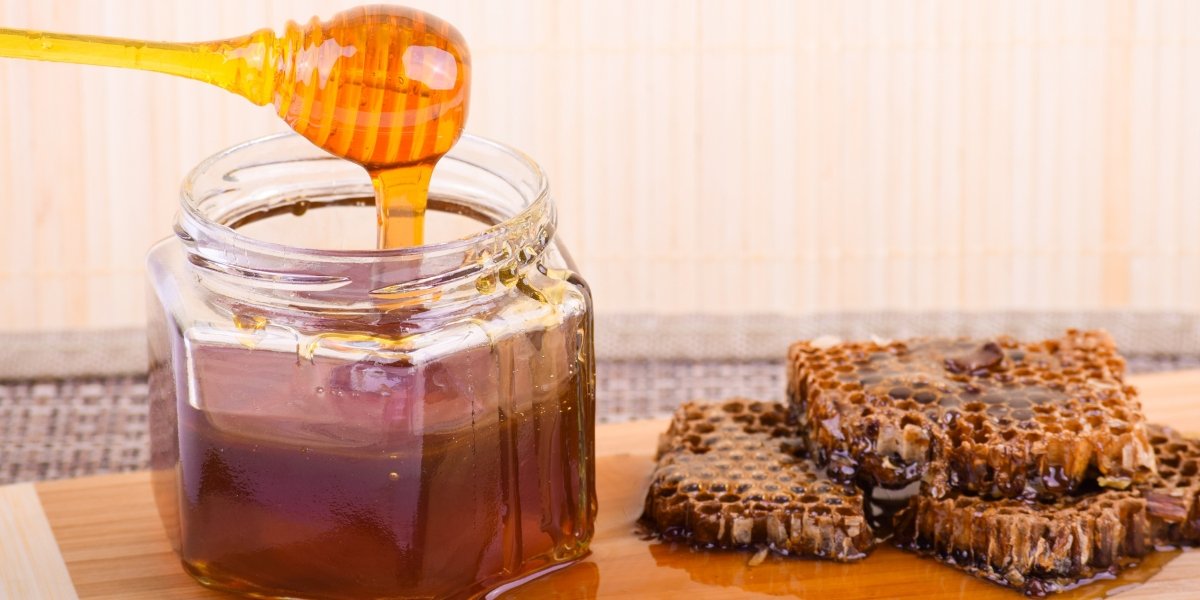
“Gracious words are a honeycomb, sweet to the soul and healing to the bones.” (Proverbs 16:24) Scripture gives us a picture of food that nourishes and sweetens. Keeping wholesome staples on hand is one practical way to care for the body the way that verse describes.
Research on dietary patterns links foods high in fiber and protein with greater fullness after meals.
What Are Healthy Pantry Staples for Weight Management?
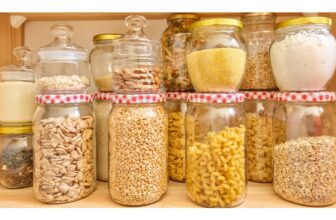
Healthy pantry staples for weight management are foods that store well, cook quickly, and help you feel full on modest portions. They typically include legumes, whole grains, canned fish, nuts and seeds, and a few reliable vegetables. Their value comes from being ready when you are hungry, not from any single “superfood.”

A useful test: can you build a balanced meal from what is already on your shelf in under 20 minutes? If yes, the pantry is doing its job.
Biblical Wisdom on Nourishing the Body Well
Scripture repeatedly ties daily bread to stewardship and care. Proverbs values planning ahead, and Genesis describes provision as a gift to be received with thanks. Stocking a pantry with simple, nourishing food reflects that same attention to ordinary, everyday provision.
Health Benefits of Stocking a Pantry for Weight Management
The benefits below are general and work best alongside regular meals and activity.
Fiber and Satiety from Legumes and Whole Grains
Lentils, chickpeas, black beans, oats, and brown rice are rich in fiber. Fiber adds bulk to meals. Keeping several legumes on hand means a filling side or main dish is never more than a pot away.
Watch out: canned beans can be high in sodium. Rinsing them under cold water before use is a simple habit that makes a noticeable difference.
Protein Sources That Stretch a Budget
Dried lentils, canned tuna, and eggs are among the more affordable sources of protein. Pairing them with grains and vegetables creates meals that feel complete without relying on expensive cuts of meat.
Pantry Staples to Build Your Shopping List
Start with a short list and expand it over time. Our suggested core list includes:
For a companion checklist, see essential pantry staples for holistic health.
- Legumes: lentils, chickpeas, black beans
- Whole grains: old-fashioned oats, brown rice
- Protein: canned tuna, eggs, and nuts such as almonds or pistachios
- Seeds: chia seeds, which store well and blend easily into breakfasts
- Vegetables: canned tomatoes and low-sodium vegetables for quick sauces
- Broth: low-sodium stock for soups and grains
High-Fiber and Protein-Rich Pantry Staples Compared
A pantry staple earns its place at the front of the shelf when it delivers fiber, protein, or both without loading up on sodium or added sugar. Use the figures below for general comparison, and always check the package label, because brands and preparation methods vary. Before you buy organic staples, you can compare sourcing options to find the right supplier.
| Staple | Serving | Calories | Protein | Fiber | Sodium |
|---|---|---|---|---|---|
| Lentils (cooked) | 1 cup | ~230 | ~18 g | ~16 g | Low, unless salted |
| Chickpeas (canned, drained) | 1 cup | ~270 | ~15 g | ~12 g | Varies; rinse to reduce |
| Black beans (canned, drained) | 1 cup | ~220 | ~15 g | ~15 g | Varies; rinse to reduce |
| Canned tuna (in water, drained) | 3 oz | ~100 | ~22 g | 0 g | Moderate to high |
| Old-fashioned oats (dry) | 1/2 cup | ~150 | ~5 g | ~4 g | Low |
| Brown rice (cooked) | 1 cup | ~215 | ~5 g | ~3.5 g | Low |
| Almonds | 1 oz (about 23) | ~165 | ~6 g | ~3.5 g | Low |
| Chia seeds | 2 tbsp | ~140 | ~5 g | ~10 g | Low |
Fiber
How to read the comparison. Legumes are the standout for fiber and plant protein in the same bite, which is why lentils, chickpeas, and black beans anchor most pantry-based meals. Canned tuna is the leanest protein per serving but contributes little fiber, so pair it with beans or vegetables. Oats and brown rice supply whole-grain fiber and a satisfying base, while almonds and chia seeds add healthy fats and a little extra fiber. No single row wins on every measure, the goal is a shelf where the rows complement each other.
Serving-size reality check. Nutrition labels often describe a smaller portion than people actually eat. A can of beans may list two or more servings, and a “handful” of almonds can easily double the one-ounce serving. Measuring once or twice teaches you what a realistic portion looks like, and that awareness matters more for weight management than any single food choice.
Sodium is the hidden variable. Canned beans, canned fish, and broth can carry meaningful sodium. Rinsing and draining canned beans removes a noticeable share of the surface sodium, and choosing low-sodium or no-salt-added versions of broth and vegetables keeps the overall meal in a better range. A common pattern is to buy the low-sodium version and add salt to taste at the table, so you control the final amount.
A note on evidence. No single staple causes weight loss. Research on eating patterns consistently points to higher-fiber and higher-protein diets supporting fullness and steadier energy, and pantry staples make those patterns easier to follow day to day. The comparison above is a tool for building balanced meals, not a promise about any one ingredient.
Watch out: treating a “healthy” staple as unlimited because it is high in fiber or protein can quietly add up. Nuts, seeds, and oils are nutrient-dense but calorie-dense too, so portion them rather than free-pouring.
Recipes and Meal Ideas Built from Your Pantry
A stocked pantry only helps if it turns into meals without a nightly debate. The most useful approach is a simple mix-and-match formula: pick one base, one protein, one vegetable, and one flavor, then combine. Once you know the formula, you can build a week of meals from the same shelf.
The four-part pantry formula
- Base (fiber and energy): lentils, brown rice, oats, or chickpeas
- Protein: canned tuna, beans, lentils, eggs, or nuts
- Vegetable: canned tomatoes, low-sodium canned vegetables, or any fresh produce on hand
- Flavor: dried herbs, lemon, garlic, cumin, or a low-sodium broth
A sample week built from the list
- Monday, Lentil and tomato soup: simmer rinsed lentils with canned tomatoes, low-sodium broth, and dried herbs.
- Tuesday, Tuna and chickpea salad: mash drained tuna with chickpeas, a squeeze of lemon, and chopped nuts.
- Wednesday, Bean and rice bowl: warm black beans with brown rice, top with canned tomatoes and cumin.
- Thursday, Oat breakfast bowl: cook oats with water, then top with chia seeds and a handful of almonds.
- Friday, Pantry minestrone: combine lentils, canned tomatoes, low-sodium vegetables, and broth for a one-pot meal.
- Saturday, Chickpea and vegetable skillet: roast or pan-cook drained chickpeas with canned vegetables and herbs.
- Sunday, Use-it-up bowl: combine whatever staples remain into a grain bowl with a simple lemon-and-herb dressing.
Three quick assemblies for busy days
- Lentil and tomato soup: simmer rinsed lentils with canned tomatoes, low-sodium broth, and any dried herbs you have.
- Tuna and chickpea salad: mash canned tuna with drained chickpeas, a squeeze of lemon, and chopped nuts.
- Oat breakfast bowl: cook oats with water, then top with chia seeds and a handful of almonds.
Make it allergen-aware. The formula adapts easily. For gluten-free needs, choose certified gluten-free oats and rice. For nut allergies, swap almonds for seeds such as pumpkin seeds. For vegetarian or vegan meals, lean on legumes and skip the tuna. The structure stays the same even when individual ingredients change.
Batch once, eat twice. Cooking a pot of lentils or brown rice on the weekend gives you a base for several meals and cuts weeknight prep to minutes. Store cooked grains and legumes in airtight containers in the refrigerator and use them within a few days.
Watch out: building meals from the same few staples every day can get monotonous and lead to skipped meals or takeout. Rotate flavors and vegetables across the week so the pantry stays useful rather than boring.
Storing Staples and Reading Labels Before You Buy
Most dried legumes, grains, and seeds keep for months in a cool, dry place in airtight containers. Nuts and seeds can turn rancid faster, so store them in the refrigerator if you will not use them within a few weeks. Check best-by dates and rotate older stock to the front.
When reading labels, look for short ingredient lists, low sodium on canned goods, and no added sugar in items like canned fruit. Whole grain should appear first in the ingredients of grain products.
Start Stocking Your Healthy Pantry This Week
A healthy pantry does not require a large budget or a complete overhaul. Pick five staples from the list above, buy them on your next shop, and cook one simple meal with them this week. Visit the site to start building a pantry that supports your health goals, one meal at a time.
Frequently Asked Questions
What are some good pantry staples for weight loss?
Useful weight-management pantry staples include legumes such as lentils, chickpeas, and black beans, whole grains like old-fashioned oats and brown rice, canned tuna, and nuts and seeds such as almonds, pistachios, and chia seeds. Pair them with vegetables and keep portion sizes in mind. Pantry staples support healthy eating, but they work best as part of an overall balanced diet rather than as a standalone solution.
Which high-fiber pantry foods can help make meals more filling?
Legumes such as lentils, chickpeas, and black beans are among the most useful high-fiber pantry foods, and whole grains like oats and brown rice add more. Fiber adds bulk and slows digestion, which can support satiety. Adding a handful of chia seeds or almonds to breakfast or snacks adds fiber alongside healthy fats. Increase fiber gradually and drink enough water to avoid digestive discomfort.
What protein-rich shelf-stable foods are useful for balanced meals?
Canned tuna, dried or canned lentils, chickpeas, and black beans all provide protein without needing refrigeration before opening. Pairing a legume with a whole grain, such as rice and beans, creates a more complete meal. Nuts such as almonds and pistachios add protein and healthy fats in small portions. Check labels for added sodium, especially on canned fish and beans, and rinse canned beans before use to reduce it.
How can I use pantry staples to make healthy meals?
Combine a legume, a whole grain, and a vegetable for a simple balanced meal, such as lentil and brown rice bowls with canned tomatoes and spices. Oats can be used for breakfast with chia seeds and nuts. Canned tuna works well in salads with chickpeas. Keep a short list of go-to combinations so you can cook quickly and reduce food waste by using staples before they reach their best-by dates.