Last Updated: November 12, 2026
Quick Summary
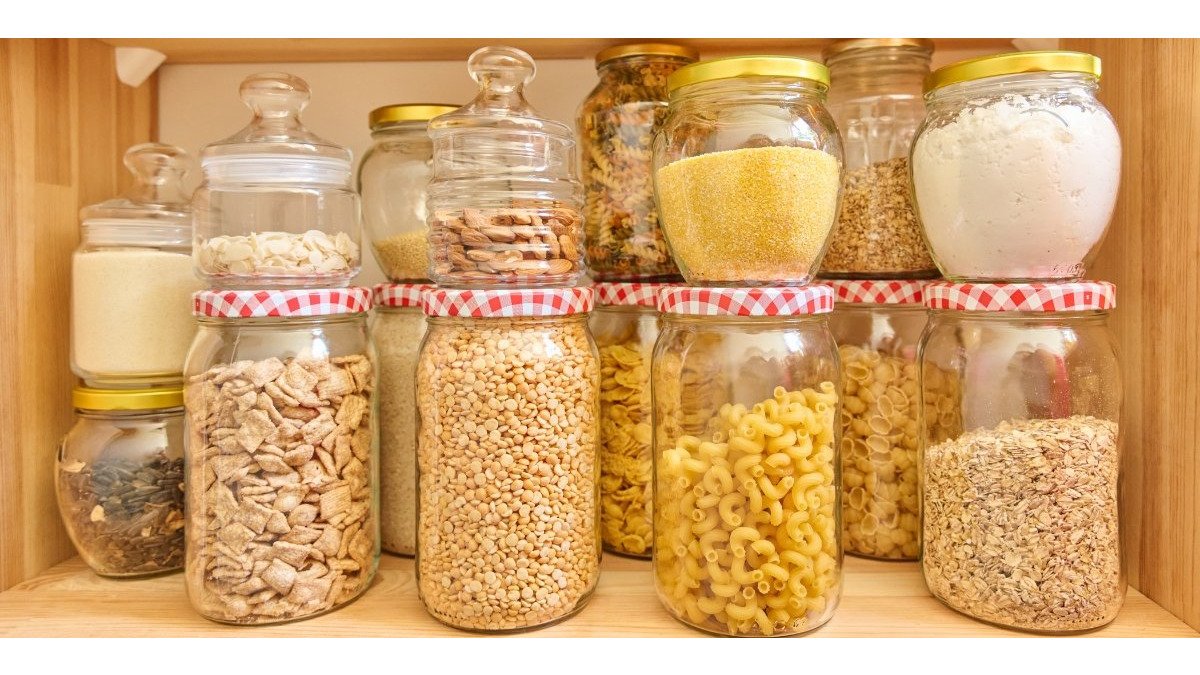
An anti-inflammatory pantry is a shelf of everyday staples such as whole grains, legumes, nuts, seeds, olive oil, canned fish and spices that makes healthy daily meals easier to prepare. Stocking these whole, minimally processed foods gives you more control over what you eat each day. No single food cures inflammation, so treat your pantry as one part of a broader healthy routine.
- Start with a few items you already use and add one or two new staples each week.
- Buy dried legumes in bulk when you have time to soak them, since they cost less per serving.
- Store nuts, seeds and flaxseed in the fridge or freezer to slow rancidity.
- Check the ingredient list first and look for added sugars, refined oils and sodium.
- Cook a large batch of grains and legumes at the start of the week to speed up meals.
Table of Contents
- What Is an Anti-Inflammatory Pantry?
- Health Benefits of Building Your Pantry Around Whole Foods
- How to Stock a Healthy Pantry on a Budget
- Anti-Inflammatory Grocery List: Pantry Staples by Category
- Anti-Inflammatory Foods for Dinner and Daily Meals
- A Simple Anti-Inflammatory Meal Plan From Your Pantry
- Storing Pantry Staples and Reading Labels Well
- Bringing Your Pantry Into Your Daily Meals This Week
- Frequently Asked Questions
What Is an Anti-Inflammatory Pantry?
An anti-inflammatory pantry is a shelf of everyday staples that support your body’s natural response to daily stress.
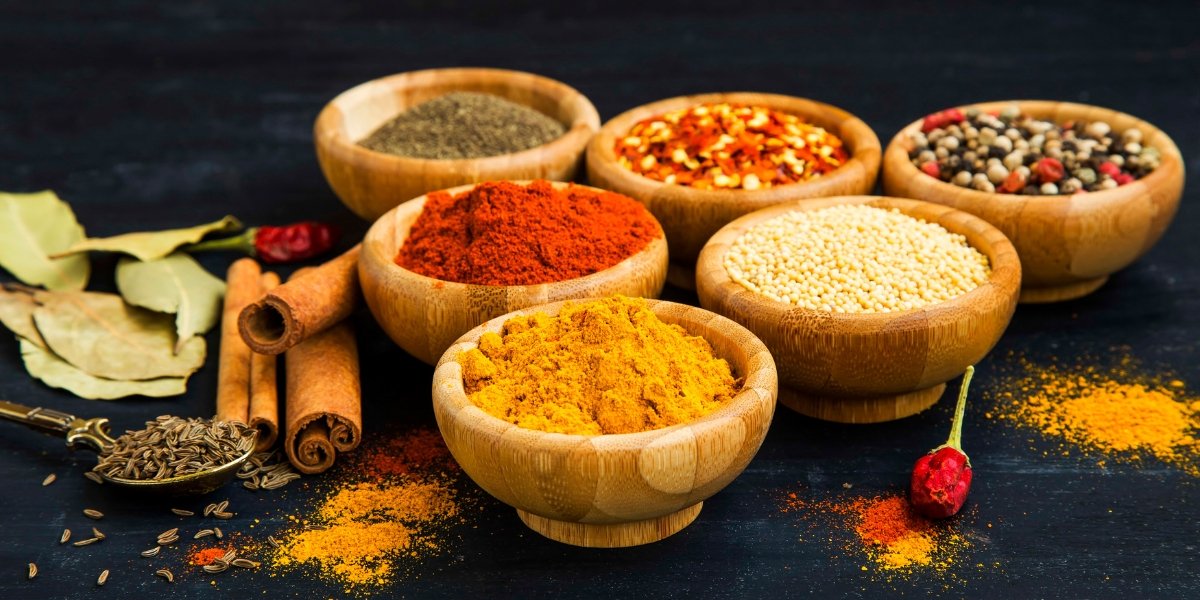
The idea is simple. When beans, oats, olive oil, and spices sit within reach, a quick dinner becomes a nourishing one.
Below, we cover seven pantry foods that work across breakfast, lunch, and dinner, plus a practical plan to stock and store them.
Health Benefits of Building Your Pantry Around Whole Foods
Stocking whole foods gives you more control over what you eat each day. Whole grains, legumes, nuts, seeds, and olive oil are common features of eating patterns that many researchers study for their links to healthy aging and heart health.
Here are the main benefits most people notice:
-
More fiber: Beans, lentils, and oats help you feel full longer.
-
Healthier fats: Extra-virgin olive oil and nuts provide monounsaturated fats.
-
Fewer added sugars: Plain staples let you control sweetness yourself.
-
Less decision fatigue: A stocked pantry makes healthy dinners faster to put together.
A pantry built this way does not require perfection. Start with a few items you already use and add one or two new staples each week.
How to Stock a Healthy Pantry on a Budget
Healthy eating does not have to cost a lot. Focus on dry goods, which usually cost less per serving than fresh specialty items, and buy in larger sizes when you use them often.
- Buy dried legumes instead of canned when you have time to soak them.
- Choose store brands for oats, rice, and spices.
- Shop the bulk bins for nuts, seeds, and grains you go through quickly.
Pricing varies by store, quantity, and delivery option, so compare unit prices before you buy. For current prices on Allstarhealth products, check the website directly.
Anti-Inflammatory Grocery List: Pantry Staples by Category
Organize your list by category so you can shop the store in one pass. The goal is not a perfect pantry but a working one, a shelf where every item can become part of a meal. Below is a starting list, with the practical details most lists leave out: how to choose each item, how to store it, and how to swap it if your diet or budget requires.
Grains and Whole-Grain Carbohydrates
Whole grains supply fiber and slow-release energy, and they anchor breakfast, lunch, and dinner.
- Rolled oats: Choose plain oats, not flavored packets, which often carry added sugar. Store in an airtight container.
- Brown rice or quinoa: Buy in the largest size you will finish within a few months. Quinoa cooks faster; brown rice is usually the cheaper staple.
- Whole-grain pasta or barley: Useful for quick dinners. Barley adds a chewy texture to soups.
Watch out: “Wheat bread” and “multigrain” on a label do not guarantee a whole grain, check that the first ingredient says “whole wheat” or “whole grain.”
Legumes, Beans, and Lentils
Legumes are among the most affordable sources of fiber and plant protein, and canned versions make them a true pantry food.
- Dried lentils: Lentils generally need no soaking, which makes them an easy dried legume to start with.
- Canned chickpeas and black beans: Choose no-salt-added or low-sodium versions when available, and rinse before use to reduce sodium.
- Dried beans: Cheaper per serving but require soaking and longer cooking. Keep them for weekends.
For vegetarian and vegan readers, legumes are the backbone of the pantry, plan two or three legume-based dinners each week. For gluten-free readers, all plain legumes are naturally gluten-free; check canned versions for added ingredients.
Nuts and Seeds
Nuts and seeds provide healthy fats, but their oils spoil faster than grains.
- Walnuts: Rich in omega-3 fats. Store in the fridge or freezer to slow rancidity.
- Ground flaxseed: Stir into oatmeal or yogurt. Keep it refrigerated and use within a few months.
- Almonds or pumpkin seeds: Good for snacking and salads. Buy raw and unsalted to control sodium.
For nut-free households, pumpkin seeds and sunflower seeds are useful swaps; check labels for shared-facility warnings if allergies are a concern.
Oils and Healthy Fats
- Extra-virgin olive oil: Best for dressings and low- to medium-heat cooking. Keep it in a cool, dark cabinet away from the stove.
- Canned coconut milk: Useful for curries and soups. Choose versions without added sugars.
Oils do go rancid, if olive oil smells waxy or bitter, it is past its best and will not add the flavor you expect.
Canned Fish and Omega-3 Sources
- Canned sardines or salmon: Choose versions packed in olive oil or water, and check sodium. These are the most shelf-stable omega-3 sources for a pantry.
- Canned tuna: A budget option, though lower in omega-3 fats than salmon or sardines.
For fish-free readers, ground flaxseed, walnuts, and chia seeds are the pantry-friendly plant sources of omega-3 fats; the body converts them less efficiently, so include them regularly rather than occasionally.
Spices, Herbs, and Flavor Builders
- Ground turmeric and ginger: Season rice, soups, and roasted vegetables. Buy in small amounts, since ground spices gradually lose potency. Shop ground ginger to add to your spice shelf.
- Garlic and dried herbs: Build flavor without added salt. Garlic powder is convenient; dried oregano and basil suit most pantry dishes.
- Black pepper: A common pairing with turmeric; keep it on the shelf next to it.
Reading Labels on Pantry Foods
Before you buy, read the ingredient list first and the nutrition panel second. Look for short lists with recognizable foods. Watch for added sugars under names like cane sugar, dextrose, and malt syrup; refined oils such as soybean and palm oil; and sodium levels in canned goods. Compare unit prices rather than package prices, since larger sizes are not always cheaper per serving.
Budget and Dietary Swaps
- Dried for canned: Use dried legumes when you have time to soak; use canned when you do not.
- Store brands: Oats, rice, and spices are usually equivalent to name brands.
- Frozen for fresh: Frozen fish and vegetables are often cheaper and just as nourishing.
A pantry built this way does not require perfection. Start with a few items you already use and add one or two new staples each week.
The table below pulls together the key shopping details for each pantry category so you can scan them quickly.
| Category | Example staple | Key detail |
|---|---|---|
| Grains | Rolled oats | Choose plain, not flavored packets |
| Legumes | Dried lentils | Generally need no soaking |
| Nuts and seeds | Walnuts | Refrigerate or freeze to slow rancidity |
| Oils | Extra-virgin olive oil | Store in a cool, dark cabinet |
| Canned fish | Sardines or salmon | Check sodium; packed in oil or water |
| Spices | Ground turmeric | Buy small amounts; loses potency over time |
Anti-Inflammatory Foods for Dinner and Daily Meals
Dinner is where a pantry earns its keep. Try these ideas:
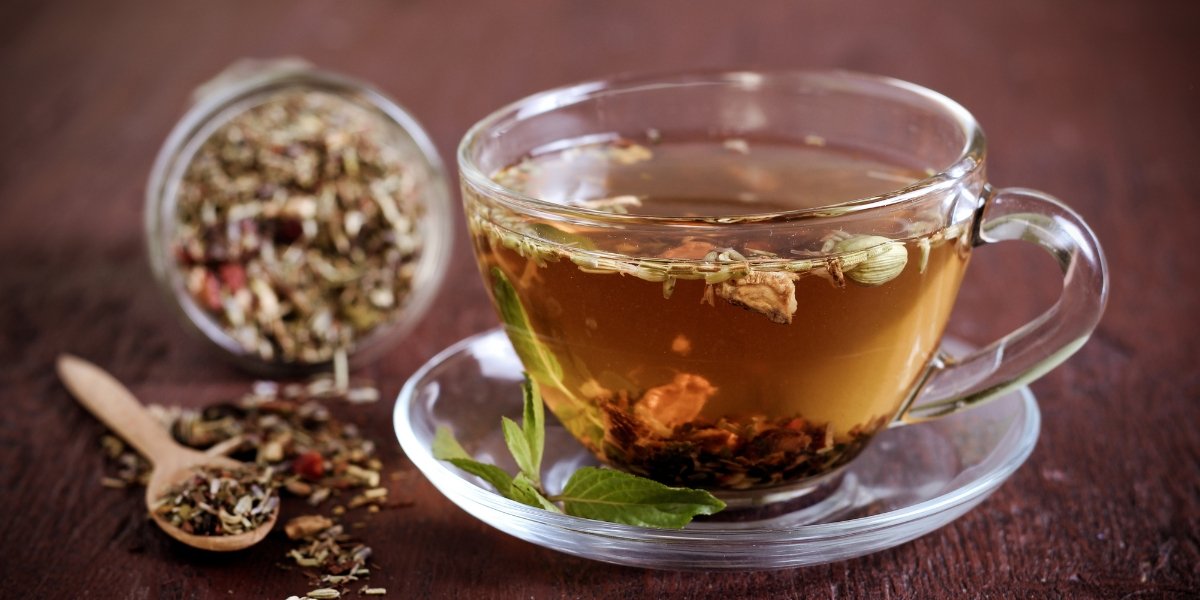
- Lentil and vegetable soup with garlic, turmeric, and olive oil
- Stir-fried brown rice with frozen vegetables and chickpeas
- Salmon or sardine patties served over a leafy salad
Cook once, then use leftovers for lunch. Most of these dishes keep well in the fridge for a few days.
A Simple Anti-Inflammatory Meal Plan From Your Pantry
Most pantry lists stop at the shelf. A practical plan shows how shelf-stable ingredients become breakfasts, lunches, and dinners across a typical week. The plan below uses only pantry staples plus a few fresh items you can add when convenient. It is a template, not a rule, rotate the vegetables by season and repeat the meals your household enjoys.
A Sample Week at a Glance
- Monday: Overnight oats with walnuts and flaxseed; lentil salad with olive oil and herbs; brown rice bowl with chickpeas and turmeric-spiced vegetables.
- Tuesday: Oatmeal with ground flaxseed and cinnamon; leftover lentil salad; bean chili topped with plain yogurt.
- Wednesday: Whole-grain toast with nut butter; chickpea and herb salad; sardine patties over leafy greens.
How to Prep Once and Eat Well All Week
Cook a large batch of grains and legumes at the start of the week. Cooked brown rice, quinoa, lentils, and beans are best refrigerated and eaten within a few days. Store them in separate containers so you can combine them differently each day.
Cooked grains and legumes left at room temperature for more than two hours should be discarded; cool them quickly and refrigerate promptly.
Breakfast, Lunch, and Dinner From the Same Shelf
The same staples work across all three meals. Oats become breakfast bowls or overnight oats. Lentils and chickpeas become salads, soups, and stews. Canned fish becomes patties or a topping for greens. Brown rice and quinoa become the base for bowls. Spices like turmeric, ginger, and garlic carry flavor across every meal, so you are not buying separate ingredients for each dish.
Dietary Swaps for the Plan
- Vegetarian and vegan: Replace canned fish with chickpeas, lentils, or walnuts; add ground flaxseed for omega-3 fats.
- Gluten-free: Use certified gluten-free oats and rice; check spice blends and canned goods for added wheat.
- Fish-free: Use walnuts, flaxseed, and chia seeds as the pantry omega-3 sources.
Realistic Expectations
Foods are part of an overall eating pattern, not a treatment. No single pantry item cures inflammation, and eating patterns are generally best judged over time. Consistency matters more than variety in the early weeks. Repeat two or three of these meals each week, rotate the vegetables by season, and add to your pantry from there.
Storing Pantry Staples and Reading Labels Well
Good storage keeps your staples fresh longer and reduces waste.
- Keep oils cool and dark, away from the stove, to slow rancidity.
- Store nuts and flaxseed in the fridge or freezer because their fats spoil faster.
- Use airtight containers for grains, legumes, and spices.
When reading labels, check the ingredient list before the nutrition panel. Look for short lists with recognizable foods, and watch for added sugars, refined oils, and hidden sodium.
Bringing Your Pantry Into Your Daily Meals This Week
Start small. Choose three staples from this list, buy them this week, and cook one new meal from them.
If you want a place to build your pantry, explore the natural and organic staples at Allstarhealth and find ingredients for your next batch of meals.
Ready to stock your kitchen? Shop Allstarhealth’s pantry staples today and build healthier meals one ingredient at a time.
Frequently Asked Questions
What should I eat every day for inflammation?
A daily base of vegetables, fruit such as berries, a serving of legumes or whole grains, a handful of nuts or seeds, and extra-virgin olive oil as your main added fat covers most anti-inflammatory eating patterns. Include fatty fish like canned salmon or sardines a few times per week for omega-3 fats. Limit added sugars, refined carbohydrates, and ultra-processed foods. Spices such as turmeric and garlic add flavor and variety without extra effort. Consistency over several weeks matters more than any single food.
Are eggs considered anti-inflammatory?
Eggs are generally considered a nutritious whole food and can fit within an anti-inflammatory pattern for most people. Research on eggs and inflammation is mixed and the effect appears to depend on the overall diet and individual health. Pairing eggs with vegetables, whole grains, and olive oil is a practical approach. Anyone with a specific health condition or cholesterol concern should check with a qualified health professional about how often to eat them.
What pantry foods can be part of an anti-inflammatory diet?
Oats, brown rice, and other whole grains provide fiber. Dried or canned beans and lentils offer protein and fiber at low cost. Walnuts, almonds, chia seeds, and flaxseed supply healthy fats. Extra-virgin olive oil is the core cooking fat, while canned sardines or salmon supply omega-3 fats. Dried herbs, garlic, turmeric, and cinnamon add flavor. Store nuts and seeds in the fridge or freezer to slow spoilage.
How can I use pantry staples to make anti-inflammatory meals?
Start with a base such as lentils or brown rice, add a can of tomatoes or frozen vegetables, season with garlic, turmeric, and olive oil, and finish with a handful of nuts or seeds. A lentil and spinach soup or a chickpea grain bowl takes about 30 minutes and uses only shelf-stable items. Keep a short list of go-to combinations so you can build meals quickly without a detailed recipe each time.