Last Updated: October 30, 2026
Quick Summary
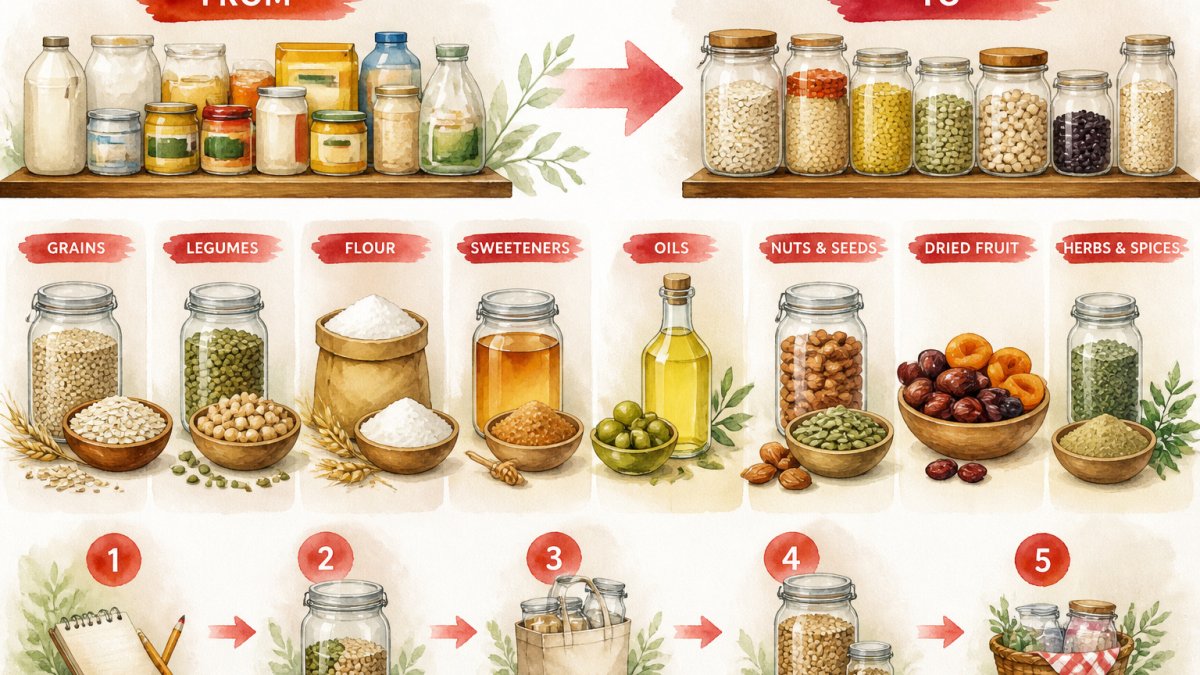
Switch to organic pantry staples gradually, replacing one category per month and starting with the foods you already use every week. Begin with everyday items like oats, rice, or coffee, then move to dry goods, and save oils and condiments for last. Confirm each product has an official organic seal, since natural claims alone do not mean organic.
- Replace one category per month to keep your budget steady.
- Start with the items you use daily or weekly, such as oats, rice, or coffee.
- Use up what you already have before buying new organic products.
- Check for an official organic seal, because natural does not mean organic.
- Mark each checklist item as buy first or buy later.
Table of Contents
- What Are Organic Pantry Staples?
- Why a Gradual Switch Works Better Than Replacing Everything
- Building Your Organic Pantry Staples Checklist
- Step-by-Step: Transitioning Your Pantry One Category at a Time
- Finding Budget-Friendly Organic Pantry Staples
- How to Store Bulk Pantry Staples So They Stay Fresh
- Planning Meals Around Your Organic Pantry
- Stocking Your Organic Pantry at Allstarhealth
- Frequently Asked Questions
Switching your kitchen to organic pantry staples doesn’t have to happen overnight. Honey is one of the oldest natural sweeteners, and Proverbs 16:24 reminds us that “gracious words are a honeycomb, sweet to the soul and healing to the bones.” A thoughtful pantry works the same way: each simple, wholesome ingredient adds up to nourishment for the whole household.
What Are Organic Pantry Staples?
Organic pantry staples are everyday dry goods, oils, and seasonings that are grown and handled to meet organic standards. They include grains, beans, nuts, seeds, natural sweeteners, and cooking oils that you use again and again.
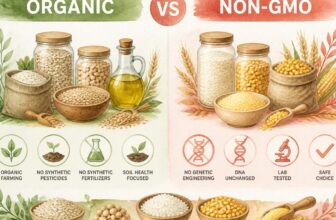
Certification is what separates the label from the marketing. Check for an official organic seal before you buy, and read the ingredient list, since “natural” on a package does not mean the product is organic. You can follow a step-by-step guide to checking certifications before you buy.
Why a Gradual Switch Works Better Than Replacing Everything
Throwing out a full pantry and refilling it in one trip is expensive and hard to keep up. Most households quit before the shelves are fully stocked.
A slower approach works better:
- Replace one category per month
- Start with the items you already use every week
- Use up what you have before buying new
Small steps keep the budget steady and make the habit easier to keep. For more on this approach, see how to build a healthy pantry with natural foods.
Building Your Organic Pantry Staples Checklist
Start with a simple list of the foods you buy most. A solid starter checklist often includes:
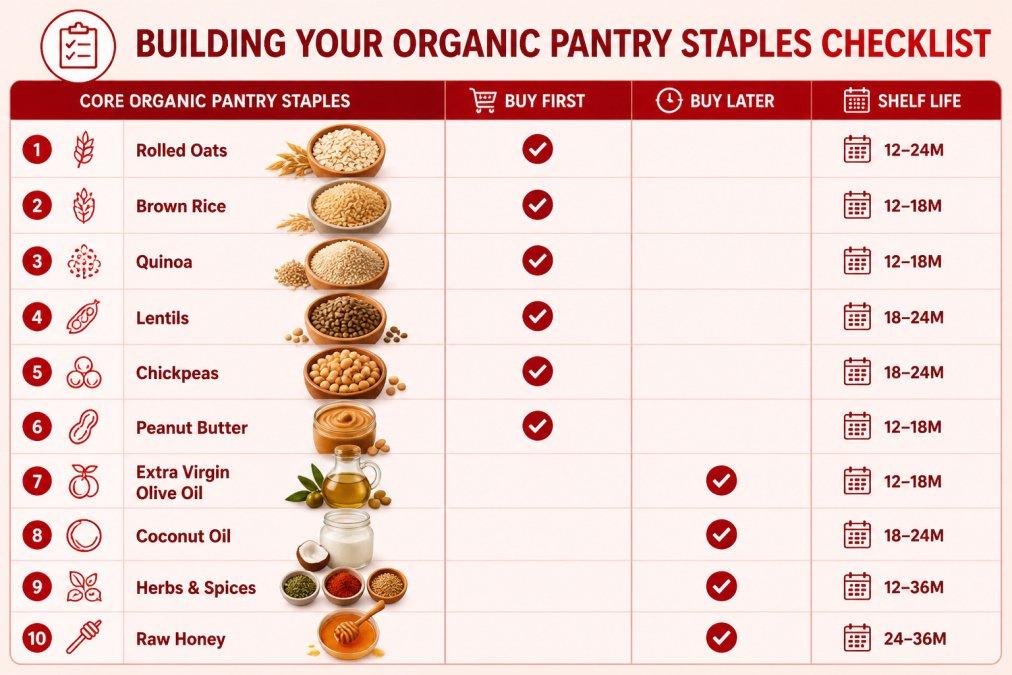
- Rolled oats and brown rice
- Dried lentils and black beans
- Raw nuts and seeds
- Extra virgin olive oil
- Raw honey or pure maple syrup
- Whole spices like cinnamon and cumin
Mark each item as “buy first” or “buy later” so you know where to begin. Our full guide on how to build an organic pantry walks through the rest of the list.
Step-by-Step: Transitioning Your Pantry One Category at a Time
Work through your kitchen in a clear order so you don’t get overwhelmed.
Start with the Foods You Eat Most
Begin with the items you use daily or weekly, such as oats, rice, or coffee. These swaps give you the biggest benefit and show up on your grocery list most often.
Move Through Dry Goods, Then Oils and Condiments
Once your everyday staples are organic, move to dry goods like flour, beans, and nuts. Oils and condiments come last. Choosing an oil that fits your cooking style matters, so read about the best organic oils for high-heat cooking before you buy.
The article suggests working through the kitchen in a clear order, with everyday staples first and condiments last.
| Step | What to Do | Timing |
|---|---|---|
| Start with everyday foods | Swap items you use daily or weekly, such as oats, rice, or coffee | First |
| Dry goods | Move to flour, beans, and nuts once staples are organic | Next |
| Oils and condiments | Choose an oil that fits your cooking style | Last |
| Replace one category per month | Keep the budget steady and the habit easier to keep | Monthly |
Finding Budget-Friendly Organic Pantry Staples
Organic food can cost more, but a few habits keep the price down:
- Buy dry goods in bulk instead of small packages
- Compare unit prices, not shelf prices
- Look for store brands with real organic certification
- Buy seasonal produce and freeze extras
Pricing depends on quantity, dates, and delivery, so check current prices on the Allstarhealth website before planning your budget.
How to Store Bulk Pantry Staples So They Stay Fresh
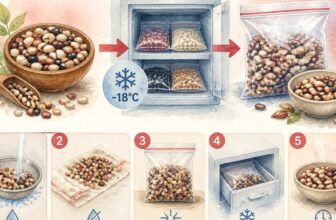
Organic grains and nuts are often stored with fewer preservatives, so proper storage matters. Store them well:
- Keep dry goods in airtight glass or food-safe containers
- Store nuts, seeds, and oils in the fridge or freezer
- Keep everything cool, dry, and away from light
- Label each container with the purchase date
Good storage cuts waste and protects the flavor of your staples.
Planning Meals Around Your Organic Pantry
Plan a week of meals using what you already have. A bowl of brown rice, black beans, and sautéed greens uses three staples at once. Write a shopping list only for what you’re missing.
Meal planning also prevents the impulse buys that wreck a budget. Once you know which staples you cook with most, you can stock up on those and skip the rest.
Stocking Your Organic Pantry at Allstarhealth
Allstarhealth offers a curated range of natural and organic pantry staples, from whole grains to superfoods, plus resources on herbal and natural wellness. You can build your pantry in one place. Start with the checklist above, add one category at a time, and let your kitchen grow into a supply that nourishes your family.
Frequently Asked Questions
How do I start switching to organic foods?
Start with the items your household uses every week, such as oats, rice, beans, and cooking oil. Replace them as your current supply runs out instead of throwing out what you already own. Keeping the switch tied to real usage makes it easier to stay consistent and keeps waste low. Once those staples are organic, move on to condiments, snacks, and spices in the next round of shopping.
Which pantry staples should I buy organic first?
Prioritize foods you eat daily or in large amounts, since these add up most over time. Grains, legumes, cooking oils, and nut butters are common first choices. Items with thin or edible skins and ingredients where residue concerns are higher also make sense early on. Less-used items like specialty flours or rarely opened sauces can wait until your core shelf is set.
How should I store organic grains, beans, and other pantry staples?
Keep dry goods in airtight containers away from heat, light, and moisture. Glass jars or food-grade plastic bins work well and help you see stock levels at a glance. Label each container with the purchase date. Store oils and nut butters in a cool, dark place, and refrigerate them once opened if the label recommends it. Check dates and rotate stock regularly.
Can I build an organic pantry without replacing everything at once?
Yes. Most households switch gradually over several months, which spreads out the cost and lets you test brands and flavors before committing. Use what you already have, and replace items when they run out. Track your progress with a simple checklist so you can see which categories are complete and which still need attention.