Last Updated: November 14, 2026
Quick Summary
The best canned foods for a healthy pantry are beans and legumes, canned vegetables, and canned fish, because they provide protein, fiber, and long shelf life. Choose low-sodium or no-salt-added versions, compare labels per serving, and store unopened cans in a cool, dry place.
- Canned beans and legumes supply plant protein and fiber and work in soups, salads, stews, and dips.
- Compare sodium per serving; “reduced sodium” only means at least 25% less than the regular version.
- Rinse and drain canned beans and vegetables under cold water to reduce surface sodium before using them.
- Discard any can that is bulging, leaking, badly dented on the seam or rim, or rusted at the seams.
- Once opened, transfer leftovers to a sealed container, refrigerate promptly, and use within three to four days.
Table of Contents
- What Are Canned Foods and Why Keep Them on Hand?
- Canned Beans and Legumes: Protein and Fiber for Everyday Meals
- Top 10 Best Canned Vegetables to Stock
- Canned Fish, Seafood and Meat for Lean Protein
- How to Read Canned Food Labels and Choose Low Sodium Options
- Healthy Canned Meals Ready to Eat and Sample Pantry Combinations
- Healthiest Canned Food Brands and How to Store Cans Safely
- Building Your Healthy Pantry Shelf by Shelf
- Frequently Asked Questions
What Are Canned Foods and Why Keep Them on Hand?
Canned foods are shelf-stable staples sealed in airtight containers and heat-processed to preserve them. This guide is designed to help you choose canned foods for a healthy pantry, grounded in the wisdom of Scripture: “Gracious words are a honeycomb, sweet to the soul and healing to the bones” (Proverbs 16:24). Wise stewardship of what we keep in the home starts with knowing what truly nourishes us.
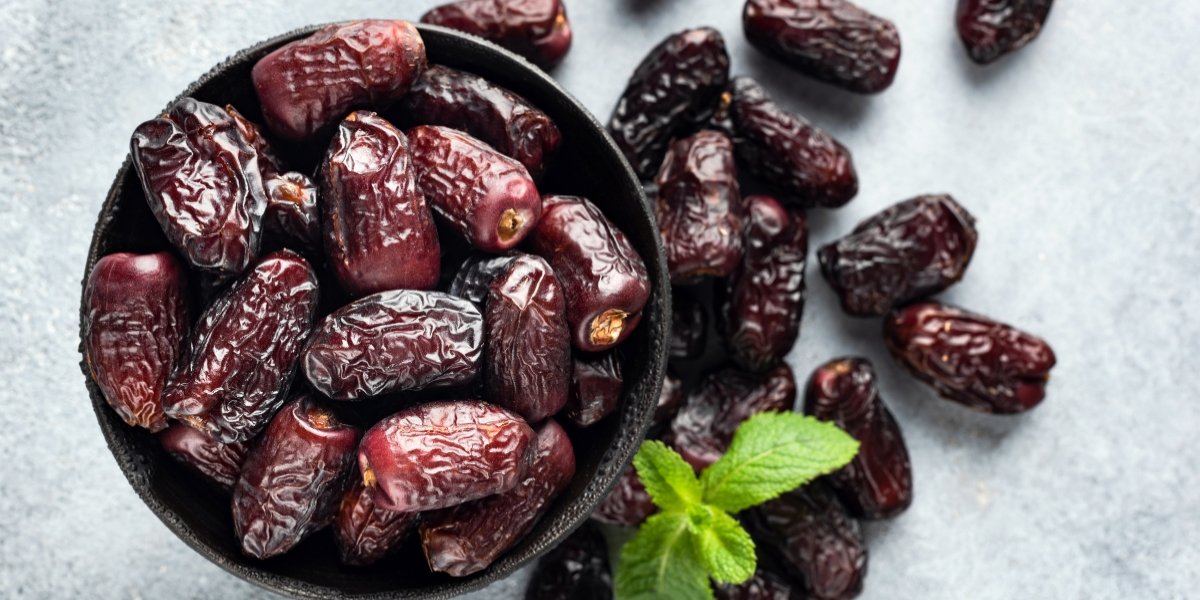
A well-stocked pantry gives your household options on busy days, during shortages, and when fresh produce runs low. Keeping canned goods on hand also means fewer last-minute trips and less food going to waste.
Careful stewardship matters here. Pantry staples are not a replacement for a balanced diet of fresh and whole foods, but they are a reliable foundation.
Canned Beans and Legumes: Protein and Fiber for Everyday Meals
Beans and legumes are among the most useful canned foods you can keep. They supply plant protein and fiber, and they work in soups, salads, stews, and dips.
Black beans, kidney beans, pinto beans, cannellini beans, and chickpeas are common choices. Lentils and other legumes are also available canned for quick cooking.
Look for low-sodium or no-salt-added versions when possible. Rinsing canned beans under cold water can reduce surface sodium before you use them.
Scripture names beans and lentils among the staples of a fruitful table. Stocking several varieties lets you prepare simple, filling meals that honor both body and table.
Top 10 Best Canned Vegetables to Stock
Canned vegetables extend what your pantry can offer. Consider keeping a range that covers everyday cooking:
When comparing options, check the sodium level, fiber per serving, and ingredient list. Vegetables packed in water with no added salt generally make the most flexible pantry choice.
Canned Fish, Seafood and Meat for Lean Protein
Canned fish is a dependable source of lean protein and omega-3 fatty acids. Sardines, tuna, and salmon store well and need no refrigeration until opened.
Choose the packing liquid that fits how you plan to use it, and drain as needed for recipes.
Canned chicken and other canned meats can fill similar roles in soups, casseroles, and sandwiches. Check labels for sodium, since processed meats often contain more salt than fish packed in water.
How to Read Canned Food Labels and Choose Low Sodium Options
Reading labels is the most useful skill for building a healthy pantry, and it takes about thirty seconds per can once you know the four numbers that matter. Start with the serving size, because a can often holds two or more servings and the sodium figure is per serving, not per can. Then compare sodium, added sugar, fiber, and the ingredient list side by side between two similar cans before you buy.
Sodium. Look up the U.S. Food and Drug Administration’s definitions for sodium claims on food labels to read them accurately. “No salt added” and “unsalted” mean no salt was added during processing, but the food may still contain naturally occurring sodium, so confirm on the panel. “Reduced sodium” only means at least 25% less than the regular version, which can still be high.
Added sugar. Check the ingredient list for sugar, cane sugar, high-fructose corn syrup, corn syrup, dextrose, maltose, honey, and fruit juice concentrate. Canned fruit packed in water or its own juice avoids the syrup entirely; fruit packed in heavy syrup can carry several teaspoons of added sugar per serving. For vegetables and beans, added sugar is usually a sign of a flavored or baked product rather than a plain one.
Packing liquid. The liquid is part of the product. Beans packed in water or brine are the most flexible for rinsing and draining; beans packed in sauces carry the sauce’s sodium and sugar. Tuna and sardines packed in water keep the ingredient list shortest, while those packed in olive oil suit salads and pasta but add fat and calories. Tomatoes packed with added salt or calcium chloride (a firming agent) behave differently in sauces, so read the liquid line, not just the front of the can.
Fiber and protein. For beans, lentils, and chickpeas, compare fiber and protein per serving between brands. For fish, protein per serving is fairly consistent, so sodium and packing liquid become the deciding factors.
The ingredient list. Shorter is usually better, but short is not automatically healthy. A can of diced tomatoes with tomatoes, tomato juice, and salt is simpler than one with added sugar and “natural flavors.” Look for recognizable ingredients and be skeptical of long lists on plain-sounding products.
A practical routine: pick up two similar cans, flip both to the nutrition panel, and compare sodium, added sugar, and fiber per serving. Rinse and drain beans and vegetables in a colander under cold water before use; this reduces surface sodium and improves texture in salads and stews. Watch out: rinsing does not remove sodium that has been absorbed into the food during processing, so a no-salt-added can is still the lower-sodium choice even after rinsing.
For a deeper guide to certifications and label terms, see A Beginner’s Guide to Choosing Quality Organic Foods.
The table below summarises the four label figures the article says to compare before buying.
| Label item | What to check | Note |
|---|---|---|
| Serving size | Per serving, not per can | A can often holds two or more servings |
| Sodium | “No salt added” on the panel | “Reduced sodium” means only 25% less |
| Added sugar | Sugar, corn syrup, dextrose, honey, juice concentrate | Fruit packed in water or its own juice avoids syrup |
| Packing liquid | Water or brine over sauce | Sauces carry extra sodium and sugar |
Healthy Canned Meals Ready to Eat and Sample Pantry Combinations
Pairing a few staples turns a pantry into real meals. Consider these simple combinations:
- Bean and tomato stew: Black beans, diced tomatoes, onion, and cumin, served over rice.
- Chickpea salad: Chickpeas, artichoke hearts, and olive oil with lemon juice.
- Tuna or sardine bowl: Canned fish over greens, with beans and a light vinaigrette.
- Pumpkin soup: Pumpkin puree, coconut milk, and broth, finished with warm spices.
Herbs and spices make these meals taste fresh. Garlic, cumin, cinnamon, and oregano are easy additions. Explore Top Herbs and Spices for a Healthy Kitchen for more ideas.
Healthiest Canned Food Brands and How to Store Cans Safely
Brand choice comes down to ingredients, sodium, and packing liquid rather than marketing claims. Compare organic and no-salt-added lines against store brands by reading the labels. The reliable test is the label, not the logo: a can with beans, water, and salt beats a premium can with a long ingredient list every time.
Storing unopened cans. Keep cans in a cool, dry place away from heat sources, direct sunlight, and damp floors. A pantry between roughly 50°F and 70°F is ideal; a garage or shed that swings between freezing and hot is not. Rotate older stock to the front and use the can’s “best by” date as a quality guide rather than a hard safety cutoff.
Can integrity, the safety check. Inspect every can before opening. Discard any can that is bulging, leaking, badly dented on the seam or rim, or rusted at the seams. A bulging can is a sign of gas-producing spoilage and should never be opened or tasted. A small dent on the side wall is usually fine, but a dent that creases a seam compromises the seal.
Opened cans and leftovers. Once opened, canned food is no longer shelf-stable. Transfer leftovers out of the can into a sealed glass or plastic container, refrigerate promptly, and use within three to four days for beans, vegetables, and fish. Do not store acidic foods such as tomatoes in the opened can, because the metal can react with the acid and affect flavor. Canned fish and meats should be refrigerated immediately after opening and used within the same three-to-four-day window.
Dietary adaptations. Canned staples flex to most eating patterns. Vegetarian and vegan pantries lean on beans, lentils, chickpeas, tomatoes, and vegetables, with canned fish as an optional add-on. Gluten-free shoppers should check flavored beans, baked beans, and some canned meats for wheat-derived additives. Low-sodium households should favor no-salt-added lines and rinse and drain before use. For common allergens, plain beans, plain vegetables, and water-packed fish are usually the safest starting points, while flavored or sauced cans are where soy, wheat, and dairy tend to appear.
Cost, serving value, and waste. Canned foods are among the most cost-effective ways to keep protein and produce on hand, and their long shelf life means less spoilage than fresh produce bought on impulse. Compare cost per serving rather than cost per can, since a larger can of plain beans often delivers more usable servings than a smaller flavored one. A pantry built on plain cans also reduces waste, because you open only what a recipe needs and keep the rest sealed.
Canned versus fresh or frozen. Sodium and added sugar in the packing liquid are the bigger nutritional variables, which is why label reading matters more than the fresh-versus-canned debate. Frozen produce is closest to fresh in texture and vitamin retention; canned wins on shelf life and convenience.
For more options, browse Hive Brands Alternatives for Pantry Items.
Building Your Healthy Pantry Shelf by Shelf
Start small and organize as you go. Group cans by category, such as beans, vegetables, fish, and tomatoes, so you can see what you have at a glance. Rotate older stock to the front so you use items before they expire.
A tiered can organizer helps keep rows visible and easy to reach. For a sustainable routine, see How to Maintain a Consistent Food Supply at Home and compare storage options with the Kitchen Details 3 Tier Can Organizer.
Begin with a few staples each month, add variety over time, and let your pantry grow with your household’s needs. Browse Allstarhealth’s pantry selection to start building a nutritious, natural food supply; visit the website for current prices and availability.
Gracious words are a honeycomb, sweet to the soul. Let your pantry reflect that same care for those you feed.
Frequently Asked Questions
What are the healthiest canned foods to keep in a pantry?
Canned beans, tomatoes, vegetables such as green beans and artichoke hearts, fish like sardines and tuna packed in water, and fruit packed in water or its own juice are among the most useful canned foods for a healthy pantry. They are shelf-stable, quick to prepare and provide protein, fiber and vitamins. Check labels for added salt and sugar, and choose no salt added or low sodium versions where possible to keep your meals balanced.
Are canned beans and vegetables as nutritious as fresh ones?
Canned beans and vegetables retain much of their protein, fiber and minerals, and they are often processed soon after harvest, which helps preserve nutrients. Some water-soluble vitamins can decline during canning, and sodium is added in many products. Rinsing canned beans and vegetables before use can reduce sodium noticeably, so canned produce is a practical, nutritious choice alongside fresh or frozen options.
How can I choose canned foods with less sodium?
Look for labels marked low sodium or no salt added, and compare the sodium figure per serving on the nutrition panel. Rinsing canned beans, chickpeas and vegetables under running water also lowers sodium. Choosing products packed in water rather than brine or heavy sauces helps further, and you can pair canned items with fresh ingredients to keep overall salt intake in check.
What should I look for on canned food labels?
Start with the ingredient list: shorter lists with recognisable foods are usually the best choice. Check added sugar, sodium and whether fish is packed in water or oil. Look at the serving size, since many cans contain more than one serving. Shelf-stable packaging and an intact, undamaged can are also important for food safety and quality when you store cans long term.