Table of Contents
- What Are Ancient Grains for Healthy Recipes?
- Ancient Grains Nutrition: Why These Whole Grains Matter
- How to Cook Farro and Other Ancient Grains
- Quinoa and Farro Salad Recipes for Everyday Meals
- How to Store Bulk Grains for Long-Term Freshness
- Building Your Ancient Grain Pantry
- Conclusion: Nourish Your Family with Whole Grains
- Frequently Asked Questions
Last Updated: October 21, 2026
What Are Ancient Grains for Healthy Recipes?
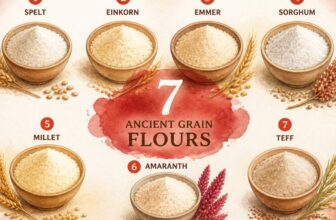
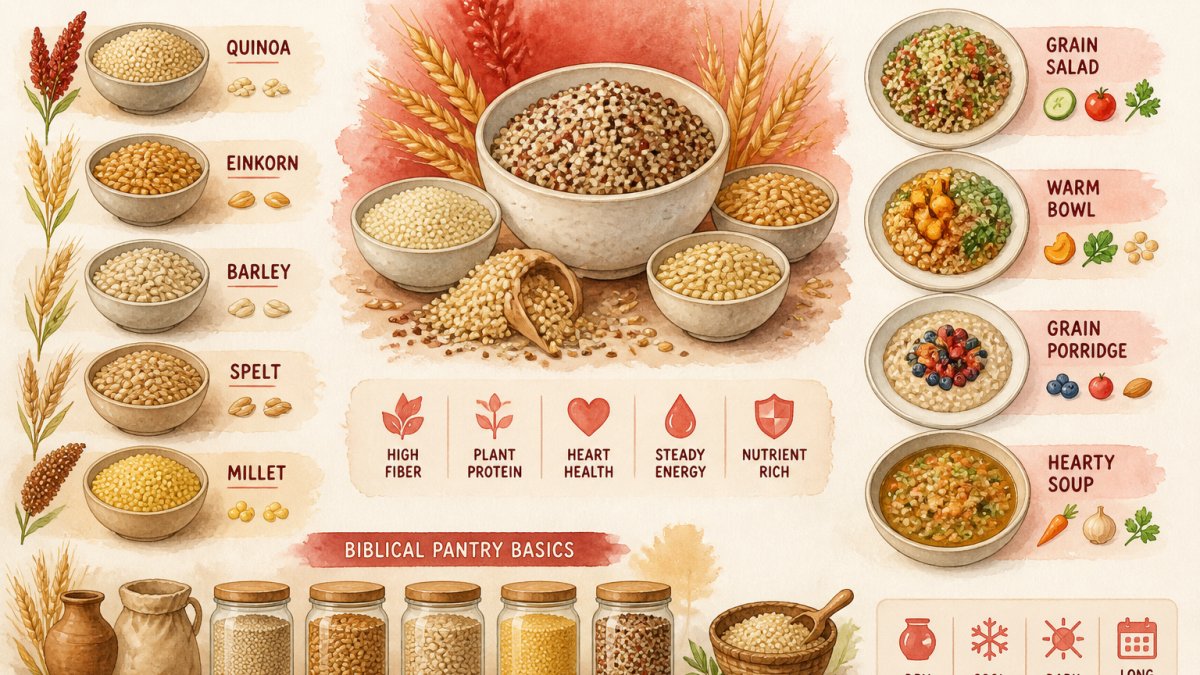
Ancient grains for healthy recipes are whole grains largely unchanged for thousands of years, making them nutritional powerhouses for modern kitchens. Unlike refined grains, they keep their bran, germ, and endosperm intact, delivering fiber, protein, and micronutrients in every bite. Quinoa, farro, amaranth, millet, sorghum, teff, and einkorn are among the most versatile options for meals that nourish your body and honor traditional food wisdom.
A Biblical Connection to Wholesome Eating
The Bible speaks often of grain as sustenance and blessing. “Gracious words are a honeycomb, sweet to the soul and healing to the bones,” Proverbs 16:24 reminds us, and ancient grains embody this principle of food as medicine. Throughout Scripture, grain appears as a foundation of health and abundance. In Genesis, Joseph’s wisdom in storing grain during plenty sustained entire nations through famine.
At Allstarhealth, we understand that returning to ancient grains means reconnecting with how our ancestors nourished themselves: whole foods, minimally processed, rich in the nutrients our bodies need.
Ancient Grains Nutrition: Why These Whole Grains Matter
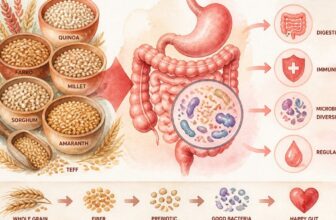
Ancient grains deliver a nutritional profile modern refined grains cannot match, each variety bringing complete proteins, resistant starches, B vitamins, and minerals for sustained energy and health.
Protein, Fiber, and Micronutrient Content
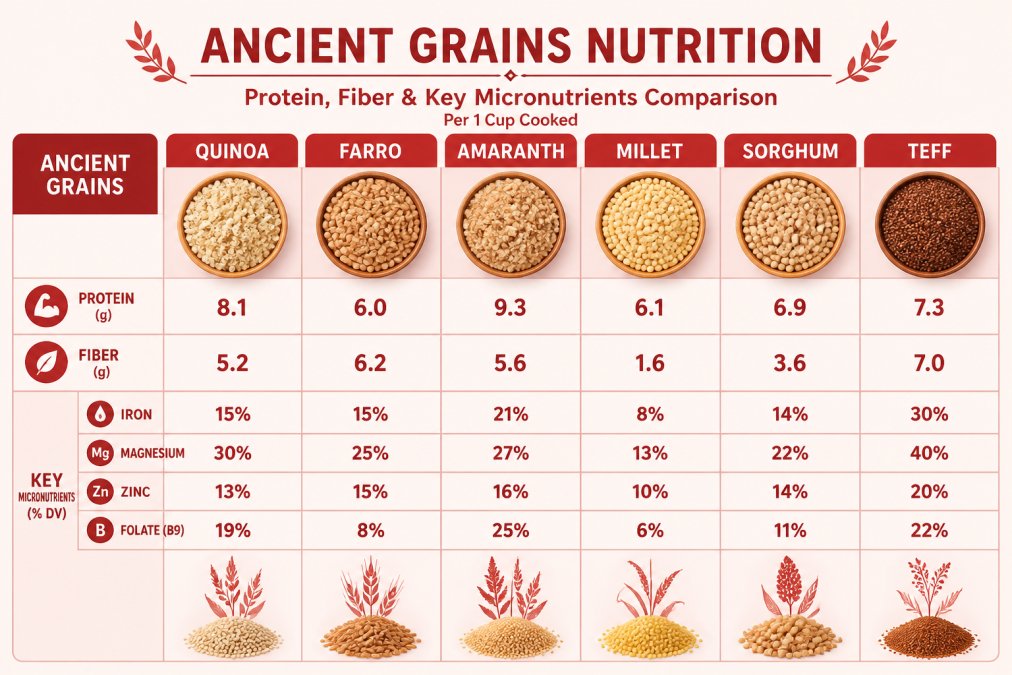
Quinoa stands alone among grains as a complete protein, containing all nine essential amino acids, making it invaluable for plant-based meals. Farro provides fiber and B vitamins for digestive health and steady energy.
Millet offers magnesium and phosphorus for nerve function and energy metabolism, sorghum provides antioxidants that combat oxidative stress, and teff packs iron and calcium into each tiny kernel. Ancient grains for healthy recipes aren’t just filling; they’re genuinely restorative.
Comparing Nutrient Profiles Across Varieties
| Grain | Protein (per cup cooked) | Fiber (per cup cooked) | Best For |
|---|---|---|---|
| Quinoa | Complete amino acid profile | High | Salads, bowls, plant-based meals |
| Farro | Moderate, with gluten | High | Risotto, soups, hearty sides |
| Amaranth | Lysine-rich | High | Breakfast porridge, baking |
| Millet | Moderate | Moderate | Pilaf, side dishes, gluten-free |
| Sorghum | Moderate | Moderate | Flour, baking, gluten-free |
| Teff | Moderate | Moderate | Injera bread, porridge, gluten-free |
Ancient grains deliver complete or near-complete nutrient profiles that support sustained energy, digestive health, and cellular function, benefits that refined grains cannot match.
How to Cook Farro and Other Ancient Grains
Cooking ancient grains properly transforms hard kernels into tender, flavorful components of satisfying meals. The difference between mushy quinoa and a fluffy, separate-grained bowl comes down to rinsing, soaking, water ratio, heat level, and the doneness cue for each grain. Here are those specifics grain by grain, plus substitutions for when a recipe calls for something you don’t have.
Rinsing, Soaking, and Water Ratios by Grain
Rinsing matters most for quinoa, whose saponin coating tastes bitter and soapy if not washed away. Rinse quinoa in a fine-mesh strainer under cool water for about 30 seconds, rubbing gently, until the water runs clear.
Soaking is optional but useful: a 4-8 hour soak shortens cooking time and improves digestibility by leaching out compounds that inhibit nutrient absorption.
Use this reference for stovetop cooking (one part dry grain):
| Grain | Water/Broth Ratio | Simmer Time | Doneness Cue |
|---|---|---|---|
| Quinoa | 1 : 2 | 15-20 min | Germ ring separates; fluffy, translucent |
| Farro (pearled) | 1 : 2.5 | 20-30 min | Chewy but tender; no hard center |
| Farro (whole) | 1 : 3 | 35-45 min | Tender with a pleasant chew |
| Amaranth | 1 : 2.5 | 20-25 min | Creamy, porridge-like; sticky |
| Millet | 1 : 2.5 | 20-25 min | Fluffy; grains separate easily |
| Sorghum (whole) | 1 : 3 | 45-60 min | Tender when squeezed; chewy |
| Teff | 1 : 3 | 15-20 min | Very soft; thickens into porridge |
| Spelt (berries) | 1 : 3 | 45-60 min | Chewy, tender, intact |
| Kamut (berries) | 1 : 3 | 45-60 min | Large, chewy, tender kernels |
Bring the liquid to a boil, add the grain, return to a simmer, cover, and cook on low until the liquid is absorbed and the grain hits its doneness cue.
Flavor Profiles, Texture, and Substitutions
Farro delivers a chewy texture and subtle nutty flavor that pairs beautifully with mushrooms, herbs, and roasted vegetables. Quinoa is lighter and fluffy with a mild taste that works in savory and sweet dishes. Amaranth becomes creamy when cooked, ideal for porridges or thickening soups.
When a recipe calls for a grain you don’t have, these swaps keep dinner on track:
- No quinoa? Use millet (similar cook time, slightly softer) or cooked amaranth for a creamier result.
- No farro? Spelt berries or kamut are the closest chewy, nutty matches; both contain gluten. For gluten-free, use sorghum.
- No sorghum? Millet or teff work in most whole-grain applications; teff is softer and more porridge-like.
- No amaranth? Teff thickens similarly in porridges and soups.
Keep in mind that gluten-free grains (quinoa, amaranth, millet, sorghum, teff) are safe for celiac and gluten-sensitive eaters, while farro, spelt, and kamut are wheat relatives and contain gluten. Label your cooked grains accordingly if you store them for mixed households.
Cook grains in broth instead of water for deeper flavor. Vegetable, chicken, or bone broth adds richness without extra salt or processing. This single swap elevates the entire dish.
Match the grain to the ratio and doneness cue, rinse quinoa, soak the hardest grains, and keep a few substitutions in mind, and you can cook any ancient grain confidently without a recipe.
Quinoa and Farro Salad Recipes for Everyday Meals
Salads built on ancient grains become complete meals, protein-rich, fiber-packed, and genuinely satisfying rather than leaving you hungry an hour later.
Salad Combinations and Seasonal Variations
A foundational farro salad combines cooled farro with diced cucumber, cherry tomatoes, fresh herbs (parsley, mint, dill), crumbled feta, and a vinaigrette of olive oil, lemon juice, and Dijon mustard.
A Mediterranean farro salad combines the grain with Kalamata olives, sun-dried tomatoes, artichoke hearts, red onion, and a dressing of olive oil, red wine vinegar, and oregano.
A harvest quinoa salad layers the grain with roasted apple chunks, toasted walnuts, dried cranberries, and a maple-Dijon vinaigrette, creating sweet, nutty, and slightly tart complexity without complicated technique.
How to Store Bulk Grains for Long-Term Freshness
Buying ancient grains in bulk makes economic sense only if you store them properly. Moisture, heat, light, and pests are the enemies of grain longevity.
Container Selection and Environmental Conditions
Glass jars with tight-fitting lids protect grains from humidity and pests far better than paper bags or open containers; food-grade plastic buckets with sealed lids work equally well for larger quantities.
Store containers in a cool, dark, dry place: a pantry away from the stove, a basement shelf, or a dedicated cabinet beats a warm kitchen counter near heat-generating appliances.
Keep grains away from direct sunlight, which degrades nutrients and can warm the storage area.
Shelf Life and Rotation Best Practices
Whole ancient grains stored properly keep 6-12 months; some last longer. Quinoa, being higher in fat, has a shorter shelf life than harder grains like farro or sorghum.
Check stored grains periodically for moisture, off-odors, or insects; a slight change in color or smell signals declining freshness.
Buying smaller quantities more frequently beats storing large amounts that sit unused for months. Our bulk options let you purchase what you’ll actually use within a few months, balancing economy with quality.
Never store grains near strong-smelling foods, cleaning products, or pesticides. Grains absorb odors readily, and chemical proximity contaminates them. Dedicate a shelf or cabinet specifically for grain storage.
Building Your Ancient Grain Pantry
A well-stocked ancient grain pantry is less about buying every variety and more about buying what you’ll actually cook, storing it so it stays fresh, and planning meals that use it before it languishes. Here’s what to start with, how to batch-cook and store cooked grains, and how to fold leftovers into your week.
Essential Grains to Start With
Begin with quinoa for a complete protein that cooks quickly and works in savory and sweet dishes. Add farro for versatility in soups, salads, and risotto-style dishes, then amaranth for its unique nutrition and creamy texture.
Whole grains store better than flours, so prioritize whole kernels. Ground flours from ancient grains go rancid faster due to increased surface area exposure to oxygen. If you bake frequently, buy smaller quantities of flour and store in the refrigerator.
Batch Cooking, Storage, and Leftover Reuse
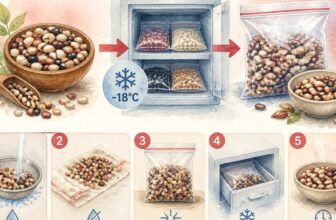
Batch cooking is the biggest time-saver with ancient grains. Cook a large pot on the weekend, cool it quickly on a sheet pan, then refrigerate in shallow containers. Cooked grains keep about 4-5 days refrigerated and 2-3 months frozen when portioned into bags or containers.
Plan the week around one or two cooked grains and reuse them across meals:
- Breakfast: Warm cooked amaranth or teff with milk, cinnamon, and fruit for a porridge.
- Lunch: Toss cooled quinoa or farro with vegetables and a vinaigrette for a grain salad.
- Dinner: Fold cooked millet or sorghum into soups, stews, or stuffed peppers.
- Snacks: Toast cooked grains in a dry pan for crunch, or blend into patties and bake.
Label containers with the grain type and cook date so you rotate stock using the “first in, first out” principle. This habit prevents the common trap of cooking a fresh batch while an older one spoils in the back of the fridge.
Sourcing Quality, Organic Products
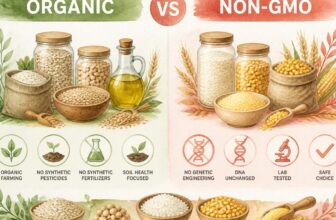
Not all ancient grains are created equal. Sourcing matters because conventional farming may include pesticide residues that organic certification prohibits. We specialize in organic, carefully sourced ancient grains that meet rigorous quality standards.
Look for suppliers who can verify where the grain was grown, how it was processed, and whether it’s been tested for contaminants. Buy from retailers who rotate stock frequently; grains sitting on shelves for months lose nutritional potency and develop off-flavors.
Never store grains near strong-smelling foods, cleaning products, or pesticides. Grains absorb odors readily, and chemical proximity contaminates them. Dedicate a shelf or cabinet specifically for grain storage.
Start with three grains, batch-cook and freeze what you’ll use within a week, label everything, and plan leftovers into breakfast, lunch, and dinner so nothing goes to waste.
Conclusion: Nourish Your Family with Whole Grains
Ancient grains for healthy recipes represent far more than a trendy ingredient; they’re a return to foods that sustained human health for millennia. Choosing quinoa, farro, amaranth, millet, sorghum, teff, and other whole grains means choosing the nutrient density, fiber, protein, and micronutrients that modern refined grains abandoned.
Building your pantry with these grains transforms everyday meals into genuine nourishment: salads become complete proteins, side dishes deliver sustained energy, and breakfasts fuel your morning without the crash refined grains create.
Frequently Asked Questions
What is the healthiest ancient grain for daily cooking?
Quinoa stands out for complete protein content, containing all nine essential amino acids. Farro and amaranth also deliver strong nutrition profiles with high fiber and micronutrients. The ‘healthiest’ choice depends on your dietary goals, choose quinoa for protein, farro for chewy texture in salads, or amaranth for iron and calcium. All three are nutrient-packed whole grains suited to healthy recipes.
How do you cook farro to get the right texture?
Rinse farro under cold water, then simmer in a 3:1 water-to-grain ratio for 30-40 minutes until tender but chewy. Pearl farro cooks faster (20-30 minutes) than whole-grain farro. Taste at 25 minutes to check doneness. The result should be firm and slightly nutty, perfect for grain salads or as a side dish. Drain any excess water and fluff with a fork.
Can ancient grains be stored in bulk without losing freshness?
Yes. Store bulk grains in airtight containers in a cool, dark, dry place away from moisture and pests. Glass jars with tight lids or food-grade buckets work well. Whole grains keep 6-12 months; rolled or flaked grains last 3-6 months. Label containers with the grain type and purchase date. Rotate stock using the oldest grains first to maintain freshness and quality.
Are ancient grains actually healthier than modern wheat?
Ancient grains tend to retain more fiber, minerals, and protein because they have undergone less selective breeding and processing than modern wheat. Varieties like spelt, einkorn, and teff are naturally higher in certain micronutrients. However, all whole grains, ancient or modern, are healthy choices. The real advantage is diversity: rotating different grains in your healthy recipes ensures a broader range of nutrients.
Start building your ancient grain pantry with Allstarhealth’s curated selection of organic, quality whole grains. Our collection includes everything from quinoa to farro to heritage varieties, all chosen for nutritional integrity and taste. Explore our ancient recipes, discover new flavor combinations, and nourish your family with the wholesome foods your body actually needs.